We use cookies to provide you with a better experience. By continuing to browse the site you are agreeing to our use of cookies in accordance with our Cookie Policy.
Exploring the critical role of water-based fire protection system
inspectors and inspections in the United States.
August 4, 2025
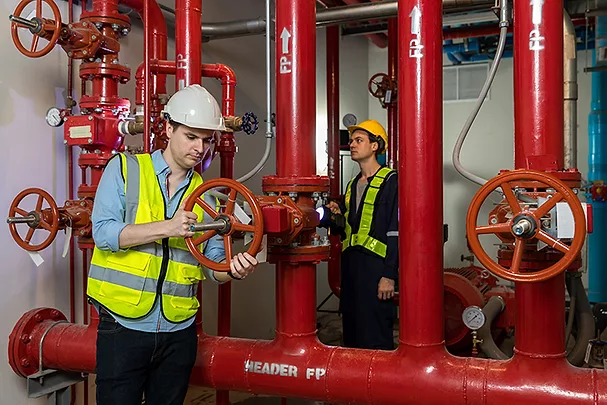
Inspections of water-based fire protection systems are a critical yet often overlooked safeguard that ensures sprinklers, standpipes and fire pumps are ready to save lives and property when fire strikes.
Proper inspection, testing and maintenance of these critical components are essential to ensure system reliability, compliance and protection against single-point failures.
July 1, 2025
Discover why backflow preventers (BFPAs) are critical yet often overlooked components of fire protection systems—and how proper inspection, testing, and maintenance ensure both code compliance and reliable system performance.
Unexpected conditions below the surface can lead to major disputes. A recent case between Skanska Civil USA and the U.S. Navy reveals the high stakes of differing site conditions and the importance of thorough pre-bid review and due diligence.
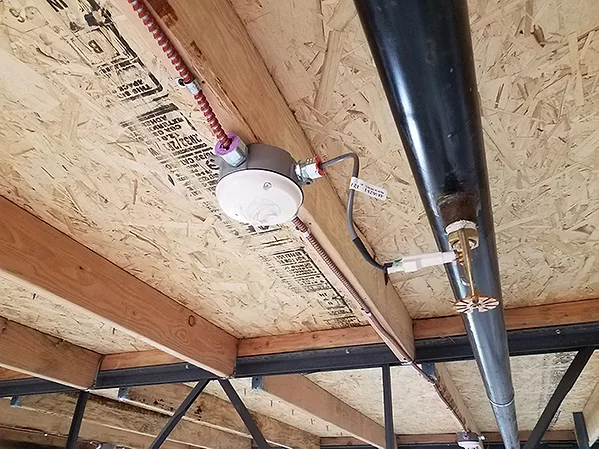
Electrically operated sprinklers represent a groundbreaking advancement in fire protection, using addressable detection and simultaneous activation to control high-hazard fires more effectively.
June 2, 2025
Discover how electrically operated sprinklers (EOS) are revolutionizing fire protection by enabling faster, smarter, and more targeted response to high-challenge fires and complex storage environments.
A dedicated standard for the hanging and bracing of fire suppression systems is in development. Learn why NFPA 200 was created, how it builds on existing codes, and what it means for the future of seismic protection and structural coordination.
Attorney Steve Nudelman discusses a recent New Jersey appellate court decision in Lahoud v. Anthony & Sylvan Corp., which scrutinized an arbitration clause deemed one-sided in favor of the contractor.
The occupancy hazard design approach focuses on fire severity potential, requiring engineers to assess and classify each space individually.
March 3, 2025
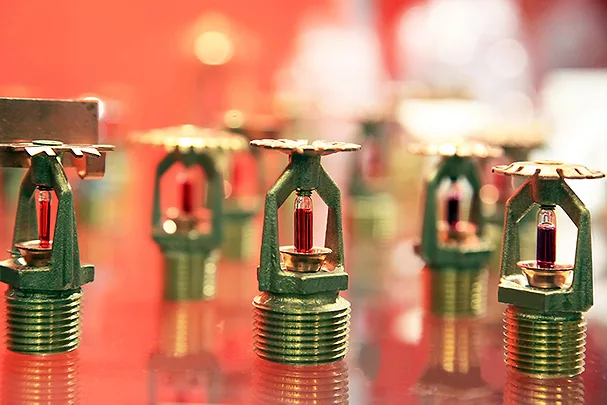
The occupancy hazard design approach for fire sprinkler systems is crucial for determining the amount of water needed to control potential fires based on the quantity and combustibility of contents.
Newer technologies and updated standards allow these systems to
continue providing effective and reliable fire protection in a wide range
of settings.
February 3, 2025
Key changes of NFPA 13 (2025) include flexible adoption of newer standards, revised definitions and updated installation requirements for sloped ceilings and high clearance areas.
Columnist Steven Nudelman highlights the importance of understanding arbitration as a binding dispute resolution method and the potential limitations on legal rights when accepting digital contracts.
 RSS
RSS