We use cookies to provide you with a better experience. By continuing to browse the site you are agreeing to our use of cookies in accordance with our Cookie Policy.
Fire protection professionals should help owners understand the
differences so they can make informed decisions while considering whether added protection may reduce loss, business interruption and long-term risk.
This preventive alternative to traditional water-based fire protection continuously maintains oxygen levels low enough to limit fire spread, making it especially suitable for tightly enclosed, highly automated freezers with limited occupancy.
Cold storage warehouses present significant challenges for conventional water-based fire protection systems due to large quantities of combustible commodities, high-bay rack storage and complex storage arrangements.
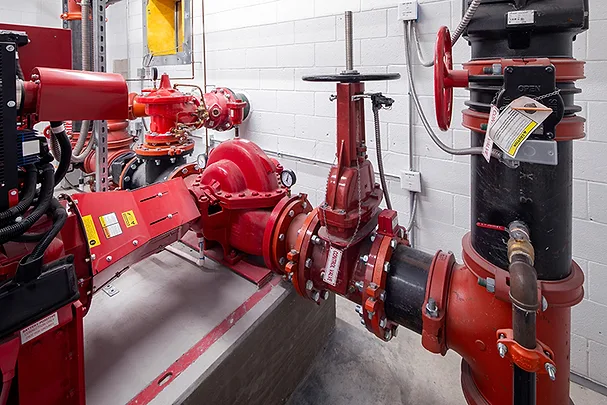
A fire pump can solve a pressure problem, but a PRV in the wrong place can create a bigger one. NFPA 20 makes clear where pressure control belongs — and where it doesn’t.
If you’ve spent any time around fire pump submittals or fire pump rooms, chances are you’ve probably run into this scenario.
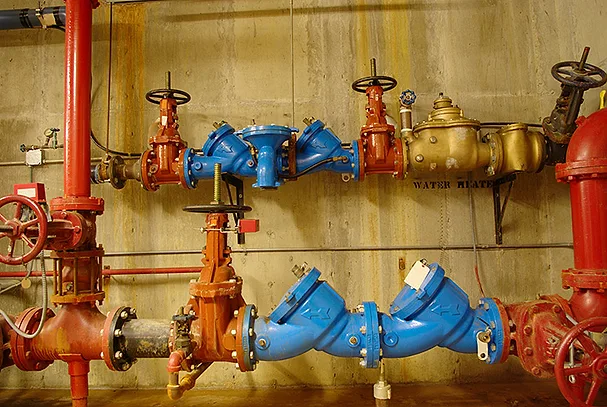
Adding a new backflow preventer to an older system may negatively impact fire protection system performance. Here are some best practices to ensure existing sprinkler systems operate as intended when adding backflow preventers.
Some existing systems were never hydraulically calculated. Some were designed around pipe schedules. Some have little or no remaining safety margin. Add a backflow preventer without understanding the available water supply, system demand and device pressure loss, and a system that once appeared adequate may fail to deliver.
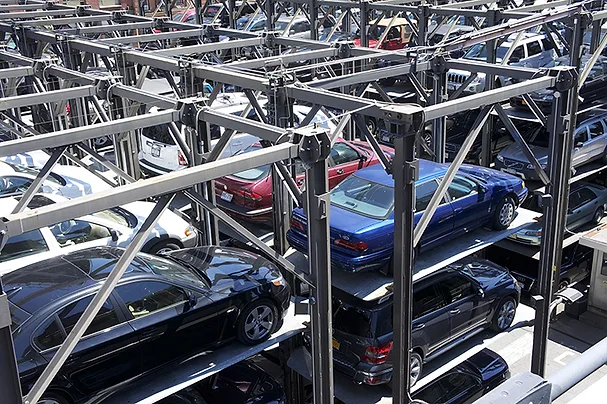
Better real-time fire data and thoughtful design decisions — especially around EV charging layouts — are essential to improving safety in future parking garages.
Did you know the U.S. Fire Administration (USFA) estimates approximately 650 parking garage fires occur annually in the United States, resulting in an estimated $8 million in property damage and 15 injuries each year?
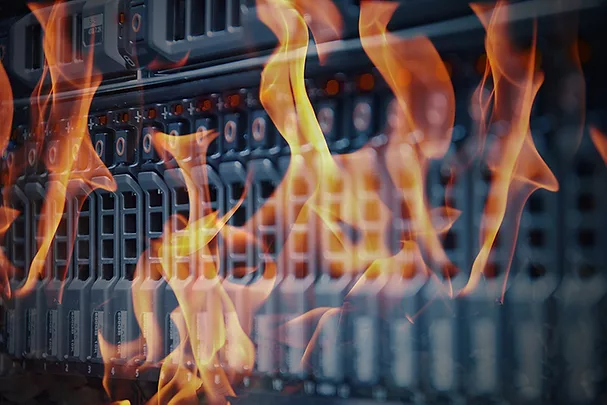
As data center construction rapidly expands, project teams must carefully weigh the critical tradeoffs between protection, cost, and operational impact to choose the right fire protection strategy.
The fire protection and cross-connection control industries must weigh the pros and cons of water quality and sprinkler system design to determine a resolution that satisfies the common goal of protecting public health, welfare and property.
Ensure your fire sprinkler systems remain effective and water supplies stay safe by understanding the critical role of backflow assembly supervision and testing.
Fire protection engineers must often consider newer code editions — even if not yet adopted by local authorities.
In the world of fire protection engineering, "the latest and greatest" isn't always the law of the land—but following the minimum requirements of an outdated code could be a costly mistake.
Calculate flow rate and pressure to ensure fire protection systems deliver adequate water during emergencies, especially in high-rise or large facilities.
Master the essentials of fire pump sizing by learning how to calculate critical flow rates and pressure requirements while navigating NFPA standards and high-rise zoning strategies.