We use cookies to provide you with a better experience. By continuing to browse the site you are agreeing to our use of cookies in accordance with our Cookie Policy.
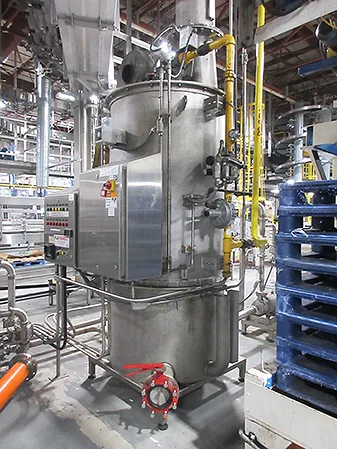
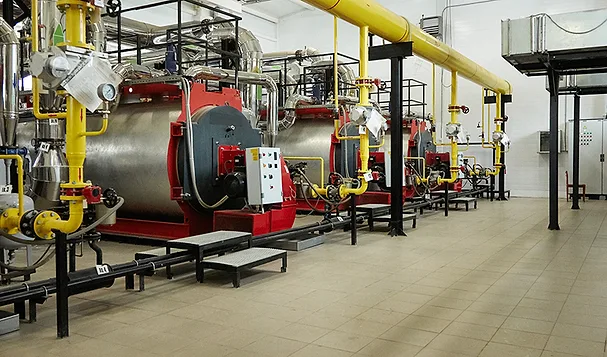
Industrial facilities can improve efficiency, sustainability, productivity and compliance by replacing steam-based hot water generation with direct, right-sized hot water systems while retaining steam where it remains necessary.
Steam built the industrial age, but it doesn’t have to run it any longer. In fact, in many cases, it shouldn’t.
From domestic supply to RODI systems, effective laboratory water design requires separation from domestic systems, backflow protection and water treatment strategies that support equipment reliability and repeatable research outcomes.
Water use in laboratories is fundamental, as professionals rely on it while searching for solutions or answers through experimentation and research.
By planning from the estimating stage, standardizing repeatable systems and coordinating stakeholders before production begins, contractors can reduce risk, improve efficiency and deliver consistent results at scale.
The construction industry is experiencing a pivotal moment, where rising costs and labor shortages demand a smarter, more integrated approach to building.
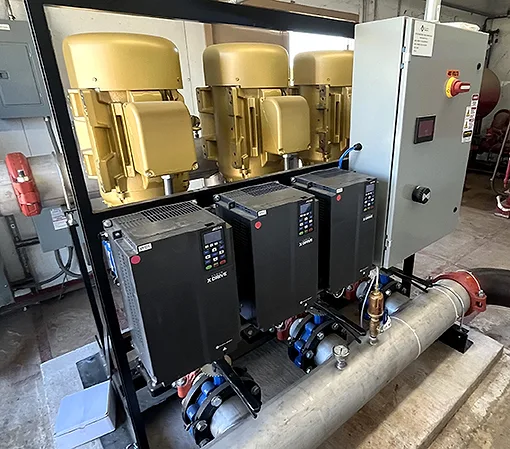
Selecting the right pressure boosting system for commercial, industrial and municipal applications goes beyond comparing common specifications. Here are six best practices to consider.
One of the biggest challenges for professional engineers, distributors and contractors is low or non-existent water pressure in busy spaces.
Plumbing systems must be brought into the same data-driven framework as HVAC controls for safer, smarter building operations.
As technology evolves in buildings, more systems are generating data about their own performance, and our knowledge of how to operate buildings more safely and sustainably continues to grow with it.
As HVAC systems become more advanced, sound fundamentals, clear controls and simple design choices remain the best path to stable, efficient systems.
In the HVAC industry, it’s easy to feel like everything is becoming more advanced and more complicated. Building automation systems (BASs) are more capable.
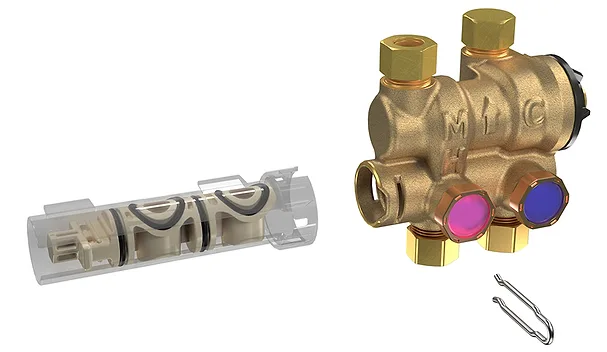
Point-of-use mixing valves with built-in visual indicators and serviceable components
are simplifying troubleshooting and repairs.
Ask any facility manager or plumber, and they’ll tell you that identifying and fixing crossflow issues is one of the challenges that costs them significant time and effort on the job.
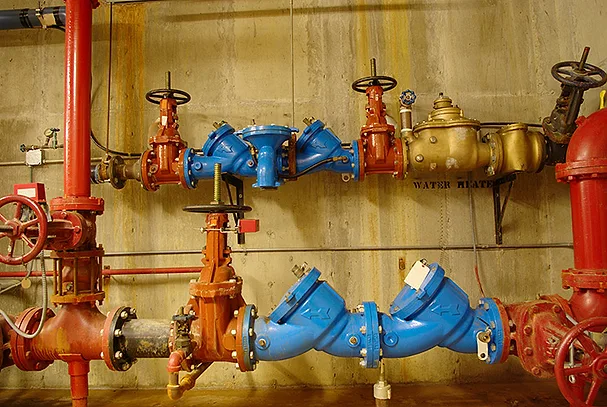
Adding a new backflow preventer to an older system may negatively impact fire protection system performance. Here are some best practices to ensure existing sprinkler systems operate as intended when adding backflow preventers.
Some existing systems were never hydraulically calculated. Some were designed around pipe schedules. Some have little or no remaining safety margin. Add a backflow preventer without understanding the available water supply, system demand and device pressure loss, and a system that once appeared adequate may fail to deliver.
 RSS
RSS