We use cookies to provide you with a better experience. By continuing to browse the site you are agreeing to our use of cookies in accordance with our Cookie Policy.
Understanding the fundamentals of water management programs is pivotal in curbing Legionella growth and streamlining compliance tasks.
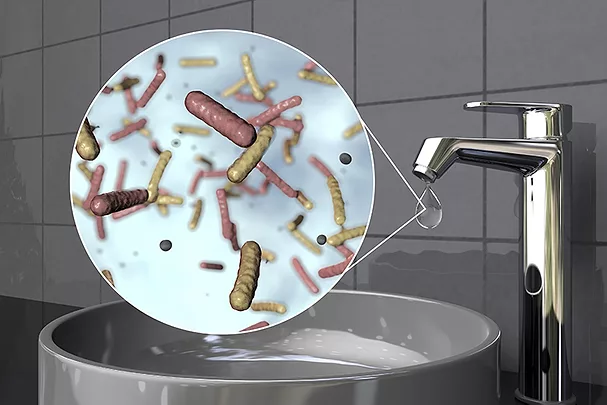
The design of a building’s plumbing system must go beyond Legionella mitigation and streamline compliance tasks for facility managers. ASHRAE Standard 188, Legionellosis: Risk Management For Building Water Systems, targeted those tasked with maintaining building water systems.
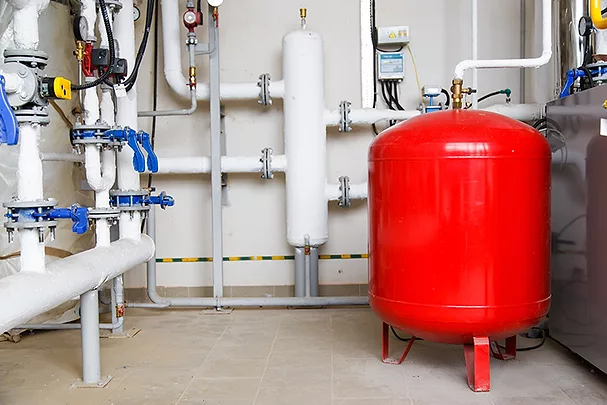
As we continue this series, Ron George discusses thermal expansion tanks, temperature gauges, temperature effects on Legionella bacteria and hot water temperature maintenance cables.
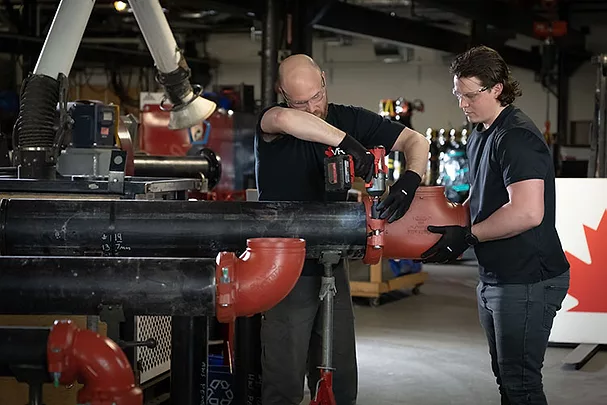
Grooved, welded and flanged joints are among the most used pipe-joining methods in commercial PHA systems.
The type of pipe joint plumbing, heating and air system designers spec for modern commercial buildings can affect how simple or challenging installation, commissioning and maintenance will be. Part 1 focuses on grooved, welded and flanged joints.
The building industry has seen an increase in the development of zero net energy or net zero energy structures over the last decade. Behind these designs are building science and thermodynamic principles that allow such structures to consume the same amount of energy they produce in a year.
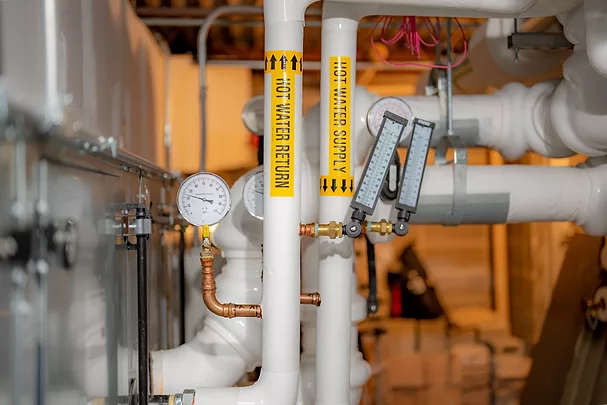
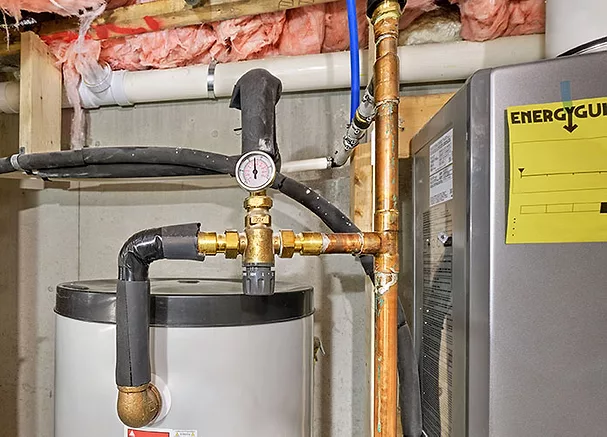
We continue this series with a discussion on verifying that temperature controls in a domestic hot water system are working properly. TMVs work well at stabilizing system temperatures. When used with point-of-use mixing valves, they provide safe temperatures for bathing and washing.
Ensuring that a healthcare facility can continue to provide care to patients during construction, requires thoughtful planning and innovative solutions.
Ensuring that a healthcare facility can continue to provide care to patients during construction, requires thoughtful planning and innovative solutions.
As we strive to conserve water resources, we contribute to the current population’s well-being and pave the way for a more sustainable future.
Understanding and implementing water conservation strategies —such as low-flow fixtures, hot water system design and leak detection, and greywater and rainwater systems — contributes to energy efficiency and the well-being of ecosystems, in addition to water savings.
In part 4 of commissioning/troubleshooting domestic hot water systems, Ron George discusses how long it takes hot water to get to all fixtures, temperature limit stops, water heater thermostats, digital mixing valves, water flow velocity, and balancing water conservation with health and safety.
Part 3 of this series covers applications and locations for various temperature controls, DHW control valves, temperature control valve standards, and how to protect yourself from liability if the owner refuses to install a control valve serving the hot water distribution system.
How smart plumbing fixtures can save time and money and improve sustainability.
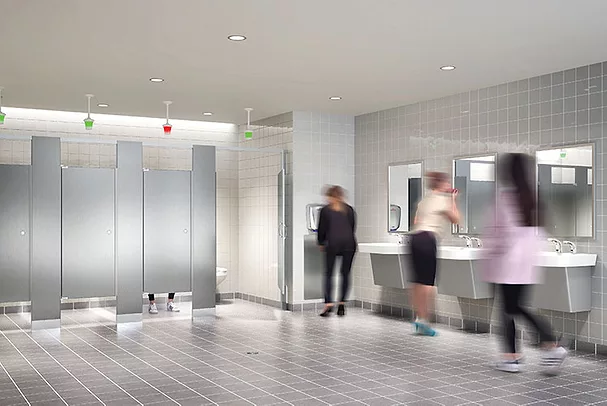
Facilities using smart plumbing fixtures can save time, manage facility workflow and improve efficiency and sustainability. Advanced sensors detect changes and track product performance, providing maintenance staff with real-time insights into the performance of the facility’s smart products.
 RSS
RSS