We use cookies to provide you with a better experience. By continuing to browse the site you are agreeing to our use of cookies in accordance with our Cookie Policy.
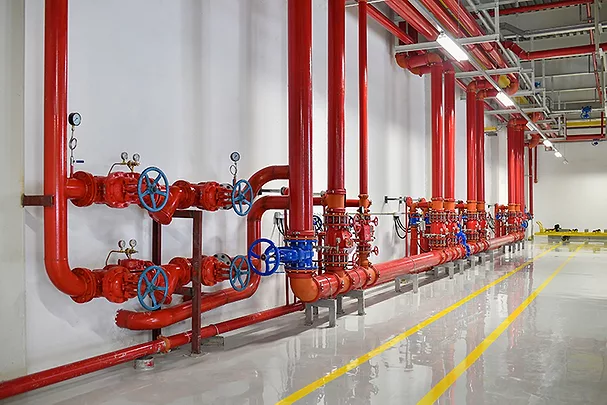
NFPA 25 provides requirements ensuring a reasonable degree of fire protection through minimum ITM requirements for water-based fire protection systems.
Engineers should recognize that technology travels much faster than prescriptive codes and standards, and design accordingly.
Fire hazards in parking garages are evolving, particularly with the introduction of hybrid and electric vehicles. However, most involve vehicles with internal combustion engines. This column proposes alternative design criteria for garage fire protection systems.
They have numerous benefits to justify their use in many applications.
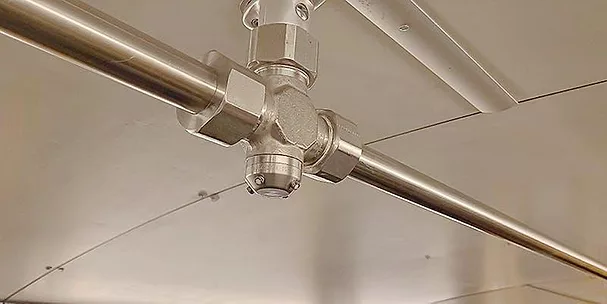
Using water mist to protect items from fire consumes less water than traditional fire sprinkler systems. To achieve the small droplet size, however, the system requires a high pressure water supply. Brian O’Connor from the National Fire Protection Association explains these systems and their various applications.
Changes are unavoidable in the built environment, even during the construction phase. Communication is critical between fire protection designers and life safety system installers.
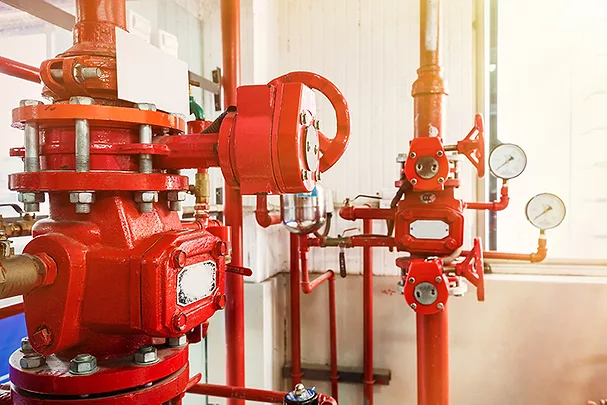
Following planning and design best practices can enhance fire pump systems’ reliability, resilience and effectiveness.
A building’s fire protection system may require fire pumps and associated equipment. Engineers should follow these planning and design best practices to protect against various risk factors and ensure reliability during emergencies.
Pilot-operated automatic control valves, friction loss and redundancy.
When specifying pilot-operated automatic control valves for a fire sprinkler system, make sure to correctly calculate the friction loss. You’ll also need to determine if the automatic control valve should be configured for redundancy.
Often it is used to allow responders to isolate a portion of the fire sprinkler system should an activation or failure occur.
These devices are used to shut portions of the fire sprinkler system off for maintenance or repair work without taking the entire system offline, endangering building occupants in case of fire. While not required in all circumstances, they should be considered as another fire safety mechanism.
Modifications or development of new systems should not be commenced without understanding the impact on layout and installation.
Design criteria for storage fire protection systems must consider a substantial number of variables: what is being stored and how, the height of the planned storage, how high the ceiling is above the storage, and what the water supply is.
A professional panel discusses their experiences of design delegation, the pitfalls that sometimes occur and how to avoid future complications.
As the built and to-be-built environments increase in complexity, speed and efficiency, fire protection professionals must work together to protect people, property and the environment. A professional panel discusses this issue and other challenges when working on projects with delegated design clauses.
 RSS
RSS