We use cookies to provide you with a better experience. By continuing to browse the site you are agreeing to our use of cookies in accordance with our Cookie Policy.
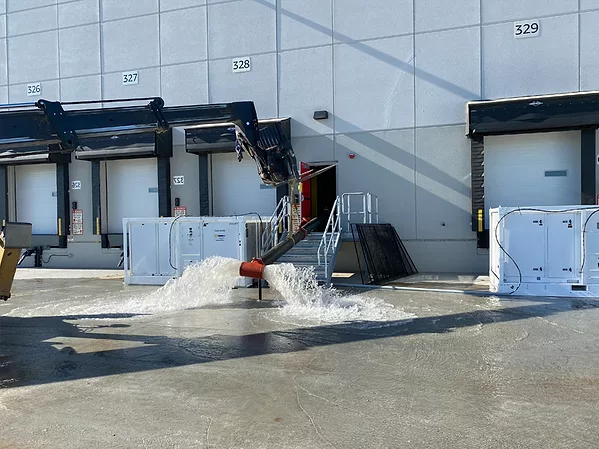
A potential exists for liabilities associated with its discharge, so make sure to develop a plan for containment, drainage and possibly treatment.
In this month’s column, learn how the term “gaslighting” came about and how gas pressure affects gas lights. Plus, IAPMO is looking for comments on the new versions of the Water Efficiency Standard; the Uniform Solar, Hydronics and Geothermal Code; and the Uniform Swimming Pool, Spa and Hot Tub Code.
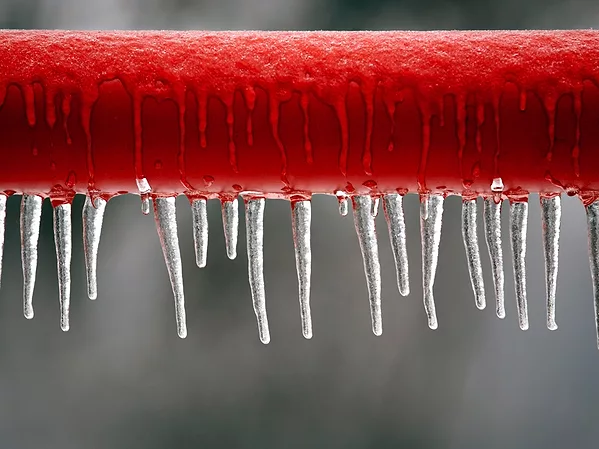
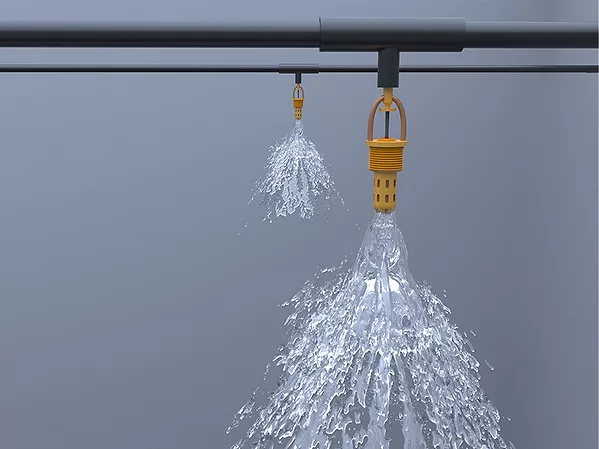
The NFPA’s 13, 13D and 13R standards spell out when fire sprinkler systems should include freeze protection. Read on to discover sources to determine an area’s minimum temperature and whether freeze protection is warranted.
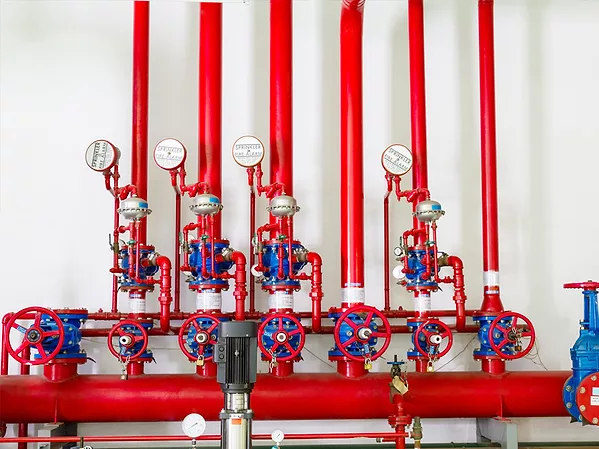
Corrosion, rocks and debris have been found during internal inspections of fire sprinkler systems.
Inspecting water-based fire protection systems on a five-year rotation is deemed a significant value, considering the corrosion, rocks and debris found in such systems.
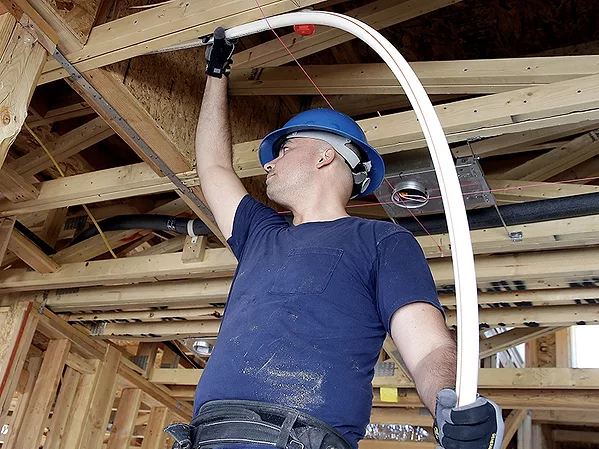
The new PPI Technical Note TN-65 “Insulation Recommendations for Plastic Pressure Piping Materials in Residential Applications” focuses on insulating plastic pressure piping materials against freezing.
The document provides guidance to installers of CPVC, PEX, PE-RT, PP-R and PP-RCT piping materials about protecting these piping systems against excessive heat through distance, insulation, or other means.
Honolulu’s first retrofit fire safety legislation for high-rise apartments needs to serve as a building block for the inevitable complete sprinkler mandate that is to come.
 RSS
RSS