We use cookies to provide you with a better experience. By continuing to browse the site you are agreeing to our use of cookies in accordance with our Cookie Policy.
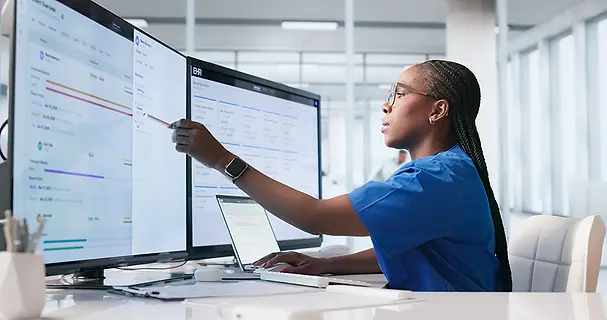
Nurses and doctors know the workflows and problems that will benefit the most from technology implementation. This knowledge cannot be replicated elsewhere.
Modern healthcare facilities are some of the most sophisticated environments ever constructed. Smart hospitals are embracing cutting-edge technology at an unprecedented pace.
If you have been in this business long enough, you have seen a sale that looked great on the day it was booked and became a problem everyone else had to carry.
A changing job market is pushing more graduates to reconsider their careers.
High school students have long been told that the clearest path to a rewarding career is to head to college and graduate with a four-year degree. While higher education still matters to many graduates, today’s labor market is challenging the idea that there is only one path.
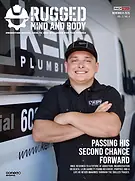
Evin Jarrett doesn’t wait to talk up the skilled trades with high schoolers. No, he’s got fourth-graders soldering pipe inside his classroom at Mayfair Elementary, Philadelphia’s second-largest elementary school.
When home service contractors talk about technician retention, the conversation usually centers on pay, benefits, training and opportunities for advancement.
By documenting clear agreements and pricing above your total costs with an appropriate profit margin, you can deliver quality work, avoid losses and build a sustainable business.
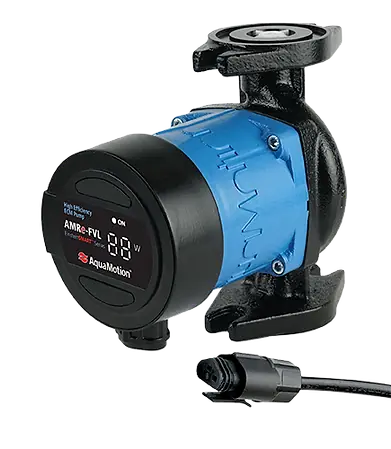
The AMRe-FVL ECM features a UL-listed detachable power cord, integrated iron protection and replaceable cartridge that offers practical advantages in hydronic installations.
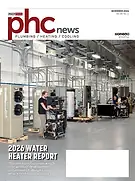
Ask manufacturers what’s shaping their water heating products and the same words keep coming up: efficiency, flexibility, simplify, easier, serviceable, feedback.
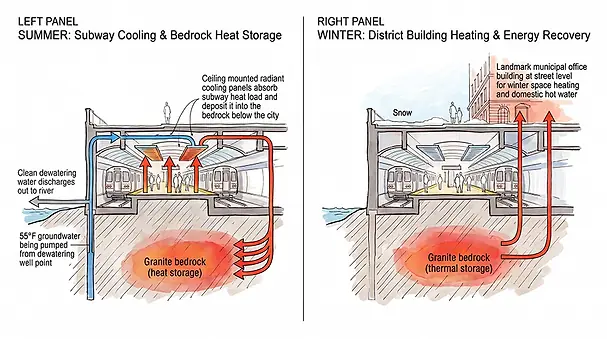
By harvesting waste heat, using passive groundwater exchange and managing subsurface thermodynamics, mechanical professionals are turning urban transit liabilities into clean, resilient energy infrastructure.
When New York City commuters step onto deep, underground subway platforms during summer heatwaves, they are routinely greeted by platform heat indices exceeding 132 F (55 C) and ambient air temperatures up to 15 degrees hotter than street level.