We use cookies to provide you with a better experience. By continuing to browse the site you are agreeing to our use of cookies in accordance with our Cookie Policy.
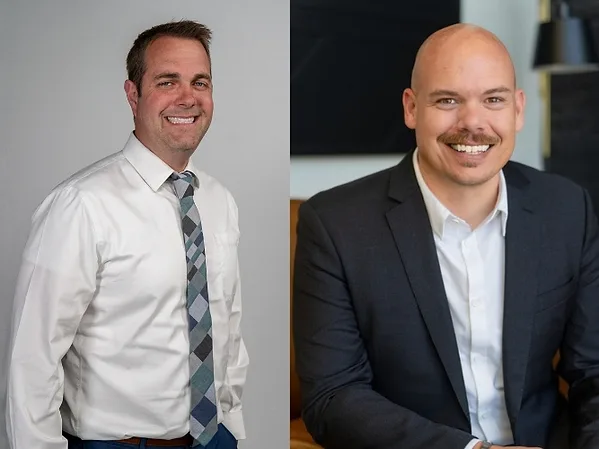
Downie will lead sales for GF Building Flow Solutions Americas, bringing more than 20 years of experience in the building products and plumbing industries.
ServiceTitan has released its The Update: 2026 State of AI in the Trades Report, its second report examining the adoption and impact of artificial intelligence across the trades.
The annual SPOTY awards recognize outstanding safety professionals who demonstrate leadership, innovation and measurable impact in advancing workplace safety during their careers.
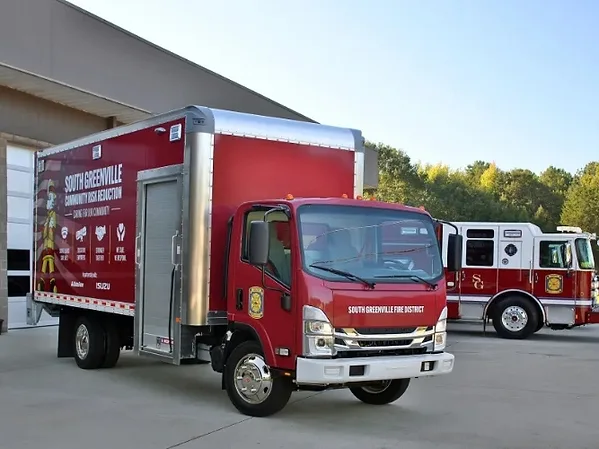
The Isuzu NRR equipped with Morgan truck body and PALFINGER liftgate will help support fire safety education, community engagement and outreach programs throughout Southern Greenville County.
From Young Professionals and networking to fishing, clay shooting and its year-end celebration, PVF Roundtable offers plenty of opportunities to connect with the PVF community in the coming months.
The acquisition further
strengthens Active’s position across its existing markets while providing opportunities
for continued growth throughout Western New York.
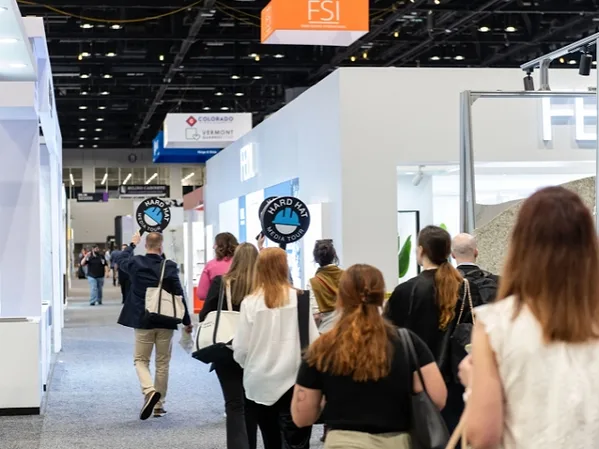
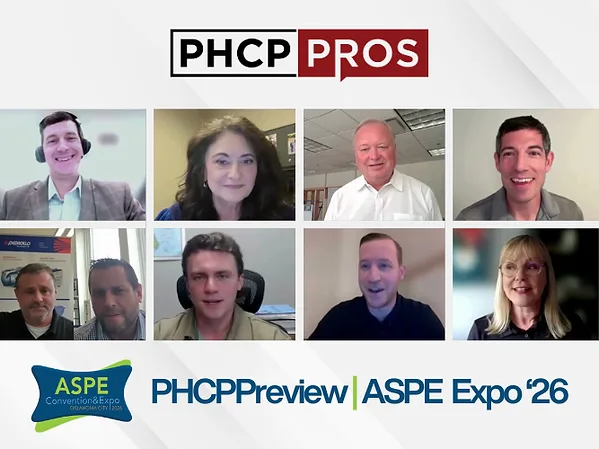
Get the exclusive scoop on what top manufacturers will be showcasing at the 2026 ASPE Convention & Expo — and how they’re addressing the most pressing industry trends!
Registration opens Oct. 7 for the 2027 MCAA Annual Convention, set for March 7–11 in San Diego, featuring education, networking, exhibits and special events.
 RSS
RSS