We use cookies to provide you with a better experience. By continuing to browse the site you are agreeing to our use of cookies in accordance with our Cookie Policy.
As hyperscalers press ahead with hundreds of billions of dollars in planned U.S. projects, the sector faces mounting constraints from permitting resistance, state-level reviews, grid capacity limits and tightening power-equipment supply.
The data center surge remains the single most powerful driver of industrial spending worldwide as it enters the back half of 2026.
For plumbing contractors, the real promise of AI is not automation for its own sake, but a better way to preserve job knowledge, improve estimating and build smarter internal tools.
When people talk about artificial intelligence (AI) in construction, they jump straight to the shiny stuff: the robots, the automation, the blueprint-reading software, and the latest pitch that makes it sound like the trades have been standing still while everyone else has discovered the future.
ServiceTitan has released its The Update: 2026 State of AI in the Trades Report, its second report examining the adoption and impact of artificial intelligence across the trades.
Commercial contractors are prioritizing profitability, cash flow and AI adoption as they navigate evolving cost pressures and field-service challenges.
Documenting digital transformation, cybersecurity, implementation and data stewardship as a shared process helps contractors avoid failed rollouts, unmanaged risk and scattered data.
If you step into most contractors’ offices and ask how they decide what technology to buy (or more and more these days with AI and various low/no code platforms), you will get some version of the same answer.
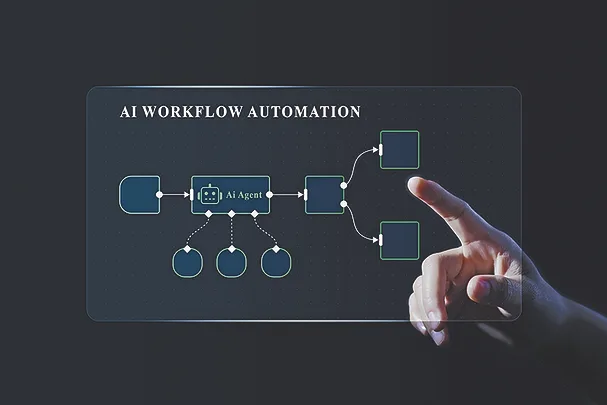
Successful AI adoption is less about chasing technology trends and more about thoughtful change management, freeing people to focus on relationships, strategy and service while streamlining routine workflows.
Artificial intelligence (AI)is no longer a topic reserved for technology conferences and trade press speculation.
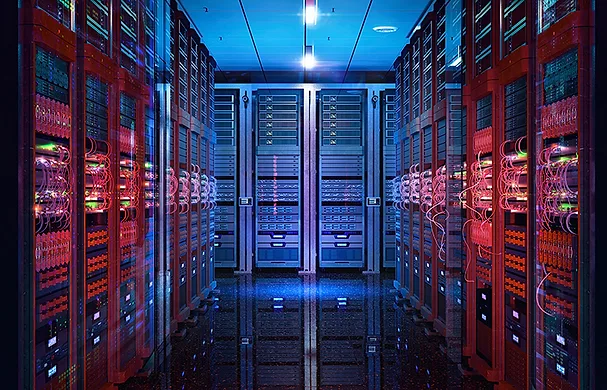
This mission-critical infrastructure requires coordinated control of heat load, airflow, humidity, cleanliness, redundancy and energy efficiency to keep increasingly dense digital systems reliable and scalable.
As digital infrastructure becomes more powerful, more compact and more essential to everyday business operations, data center cooling has become one of the most important disciplines in facility engineering.
A nationwide review of every commercial insurance filing since the first forms appeared finds 4,078 filed form adoptions across 49 states and the District of Columbia.