RSS

Engineers & Specifiers






Feature
Defining Thermal Domains for Campus and District Energy Systems, Part 1
How hydraulic separation and thermal coupling enable coordinated, high-performance energy networks.
Read More
Feature
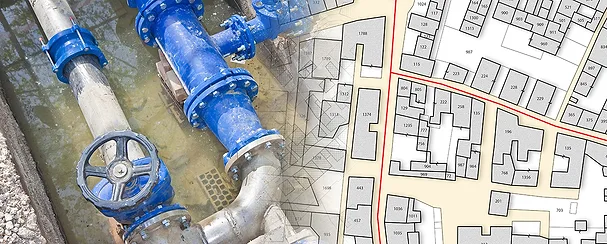
Managing Building Water Systems: The Importance of Understanding the Public Water System’s Supply, Part 1
To understand how a BWS fits in with a PWS, one must understand where the water comes from originally, what preservatives and other beneficial constituents are added to the water during treatment, and where to find information about the water system.
Read More
Feature
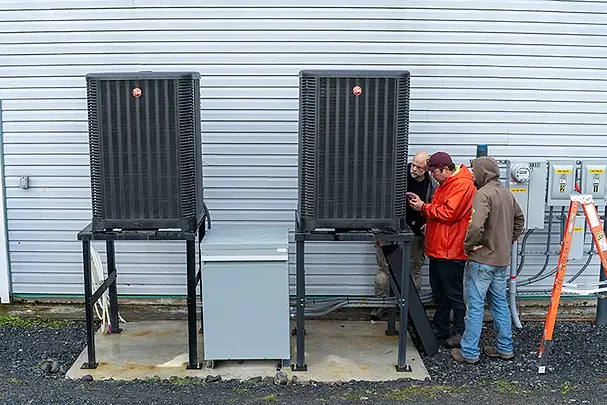
Cooperative Reduces Diesel Dependence
How Cordova Electric Cooperative in Cordova, Alaska, used Rheem’s Torin commercial
air-to-water heat pump to transition from fuel oil heating to an electric hydronic solution.
Read More

Feature
Reimagining Existing Buildings: Plumbing Strategies for Adaptive Reuse and Office-to-Residential Conversions
Above-floor, pump-assisted systems can help project teams add modern kitchens, bathrooms and laundry areas while reducing structural disruption, preserving historic features and supporting faster, more flexible redevelopment.
Read More