 RSS
RSS

Engineers & Specifiers



Geothermal HVAC
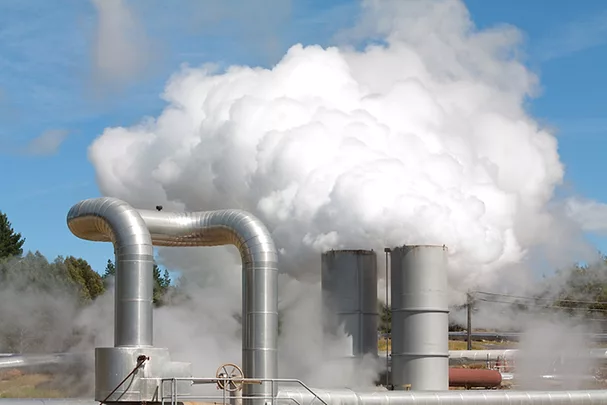
The Geothermal Advantage: Why the Smallest Footprint is the Biggest Opportunity
The underground infrastructure allows deployment in space-constrained areas without major surface disruption.
Read More
Feature
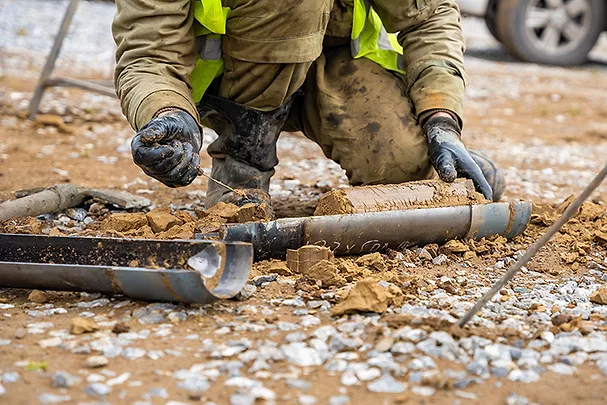
Demystifying Geotechnical Reports
By focusing on key sections and collaborating with the project team, engineers can mitigate risks such as high groundwater and expansive soils, ensuring safe and cost-effective designs.
Read More

Feature
Using a New Model Specification for Ground-Source Geothermal Piping Systems
Avoid confusion and costly mistakes when specifying piping materials with PPI MS-7.
Read More

Feature
The Practical Application of Geothermal Resources
Geothermal systems can significantly improve building energy efficiency, especially in climates with balanced heating and cooling demands; proper system design and modeling help maximize sustainability.
Read More


