We use cookies to provide you with a better experience. By continuing to browse the site you are agreeing to our use of cookies in accordance with our Cookie Policy.
Proper procedures, guided by water management plans and regulatory codes, are essential to ensure effective disinfection while avoiding damage to plumbing systems.
When Legionella strikes, emergency flushing and disinfection of a building’s water systems isn’t just critical—it’s the first line of defense against a deadly outbreak.
A new study from the Plastic Pipe and Fittings Association,
conducted by researchers at Drexel University suggests higher flow velocities and smaller
diameter plumbing results in better building water quality.
Spenser Johnson will present "Navigating Evolving Water Management Regulations: Ensuring Compliance & Public Safety” on Thursday, June 19, at 11 a.m. CDT.
Chicago Faucets, invites industry professionals to the webinar, "Plumbing Design: Strategies to Minimize Waterborne Infections in the New Age of Water Management," on March 12, 2025, at 11 AM CST.
A comprehensive water management plan is vital to protect vulnerable populations from this deadly pathogen.
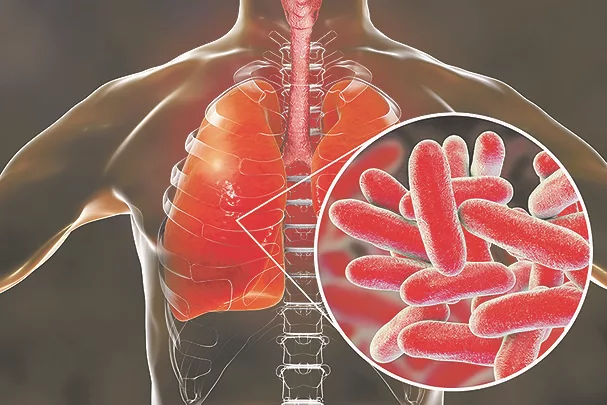
With the right conditions — typically water that’s not moved or exchanged frequently, and with tepid to warm temperatures — Legionella thrives in piped water system biofilm.
Expanding plumbing engineer and contractor roles during construction and commissioning helps ensure better project water quality.
Plumbing engineers and contractors need to gain a deeper understanding of water quality science and implement effective water management programs based on ANSI/ASHRAE standards.
Chicago Faucets is excited to bring together industry leaders in science, water management, and engineering to explore the intersection of water safety and infection prevention in healthcare facilities for a panel discussion.