We use cookies to provide you with a better experience. By continuing to browse the site you are agreeing to our use of cookies in accordance with our Cookie Policy.
Hydrogen fuel can significantly reduce carbon emissions, improving air quality and health; hybrid systems combining hydrogen with other energy sources could enhance grid stability and flexibility.
he Inflation Reduction Act is expected to invest around $370 billion to improve energy security and reduce carbon pollution. The legislation is seen as a significant step toward combating climate change and promoting sustainable progress.
Scientists have found polymetallic nodules deep in the ocean that could help us with energy storage. However, they are crucial to the ecosystem and deep-sea mining could have detrimental effects. Extracting thermal energy from the sun seems more practical, more reliable and less expensive.
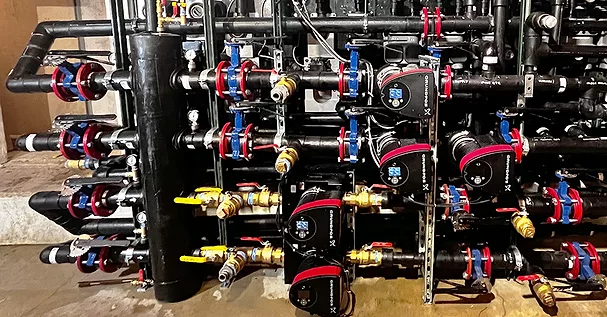
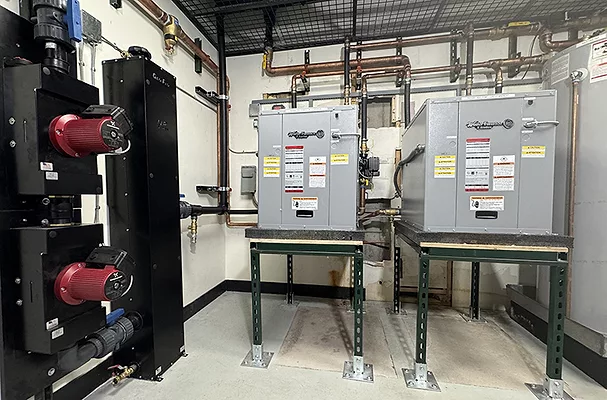
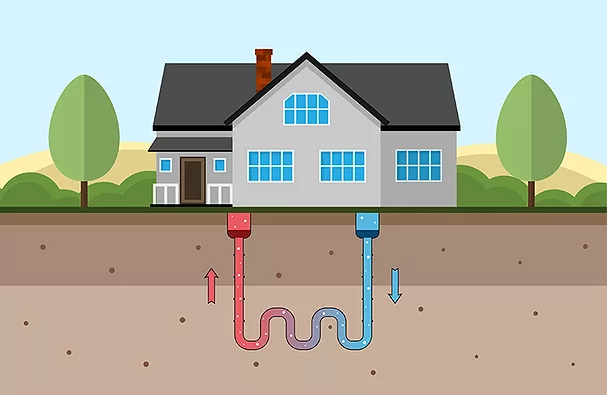
Decarbonizing buildings and industry is crucial for reducing global energy consumption, predominantly in the form of heat. Thermal energy storage plays a significant role in this process by reducing reliance on electrical energy and batteries. Thermal energy networks that connect multiple buildings into a shared energy network can significantly reduce electrical demand and consumption.
Today’s data storage centers require considerable amounts of additional energy. Air-cooled systems have been the norm for data storage; however, liquid-cooled systems can handle greater internal heat displacement. This makes them ideal for energy-hungry AI tasks and preserving electricity.
Plastic pipe, typically made from materials such as PVC, PE and PP, does not contain PFAS, synthetic chemicals used in various industrial applications and consumer products. Stringent regulations and standards govern plastic pipe production, especially those used for our drinking water supply.
Thermal energy networks help buildings communicate with each other in warmth and coolness through piping networks. New columnist John Mullen explains how these shared energy networks use “waste” heat from sewage wastewater, collected stormwater or existing fire suppression systems to use elsewhere in buildings.
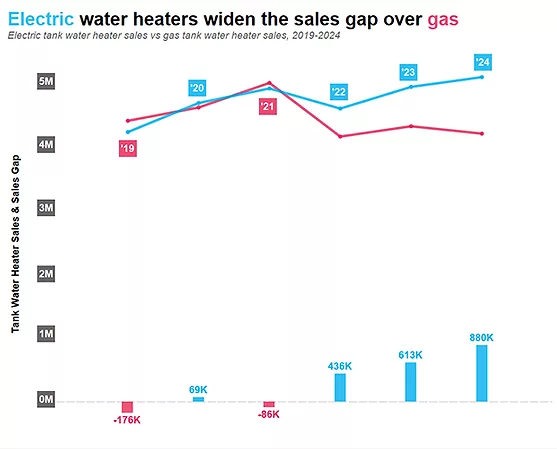
While the ‘electrify everything’ trend may be relatively new, many homeowners have been steadily electrifying their energy sources for more than five decades.