RSS
RSS
Green Building
ARTICLES
Feature
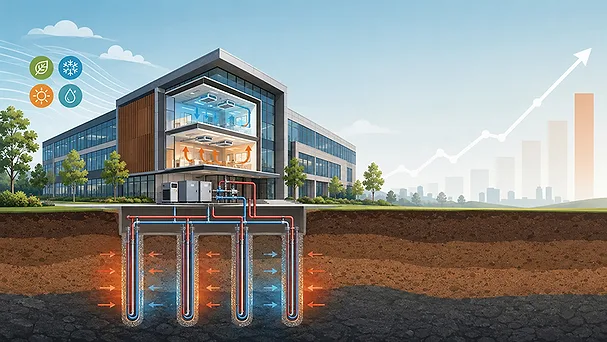
Geothermal Hydronic Systems: An HVAC Trend Amid Rising Energy Costs
While upfront costs and site-specific considerations remain challenges, the long-term benefits in efficiency, reliability and environmental impact position these systems as a cornerstone of future-ready building strategies.
Read More

The Future Is Now
Trade Intelligence: Organize, Optimize and Scale
For plumbing contractors, the real promise of AI is not automation for its own sake, but a better way to preserve job knowledge, improve estimating and build smarter internal tools.
Read More
Feature
Heat Pump Water Heaters: Tons of Great Tech, but Policy Headwinds
Despite policy setbacks, rapid innovation, new manufacturers and expanding incentives made 2025 a breakout year for heat pump water heaters.
Read More

Geothermal HVAC
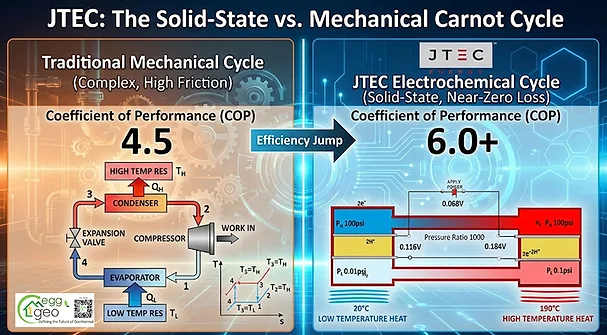
Beyond Heat Pumps: JTEC and the Next Era of Geothermal Efficiency
Solid-state technology can improve both power generation from high-temperature sources and ultra-efficient heating/cooling.
Read More
Feature
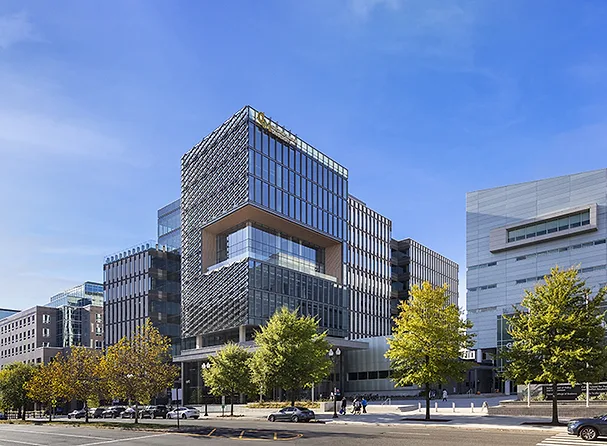
Resilient Design for the Storms Ahead
Sized above code and built with redundancy, Fuse at Mason Square shows how plumbing systems can prepare buildings for a wetter, less predictable climate future.
Read More
Featured Video

Weekend Brief - July 29, 2017
Industry Events
-
08Oct
ASPE Convention & Expo 2026
Oklahoma City, OK -
18Oct
ICC 2026 Annual Conference and Expo
Nashville, TN -
19Oct
PHCC CONNECT 2026
Milwaukee, WI