We use cookies to provide you with a better experience. By continuing to browse the site you are agreeing to our use of cookies in accordance with our Cookie Policy.
From tariff rulings to oil price disputes, labor shortages and construction updates, the industry navigates a complex landscape in the fourth quarter of 2025.
With economic uncertainty, shifting tariffs, labor shortages, and major infrastructure projects reshaping the landscape, the PVF industry enters Q4 2025 navigating volatility, opportunity, and the growing need for skilled talent and strategic collaboration.
The Trump administration’s tariff policies, plus the ongoing skilled labor shortage, continue to challenge the sector, impacting pricing, availability and construction activity.
As global tariffs shift and labor shortages persist, the PVF industry faces a turbulent third quarter in 2025. Get the latest insights on trade policy impacts, construction trends, energy developments, and how industry leaders are navigating uncertainty through innovation, collaboration, and education.
Global oil prices fall amid a fragile Iran-Israel ceasefire, OPEC+ production hikes, and tariff uncertainty—while U.S. construction and PVF sectors grapple with labor shortages, rising costs, and complex supply chain disruptions.
July 2025 opens with economic uncertainty as oil supply rises, tariffs disrupt trade, labor shortages persist, and key infrastructure projects offer some stability.
As global trade policies shift and supply chain disruptions mount, the PVF market faces an uncertain second quarter, marked by evolving tariffs, rising material costs, oil market volatility, and a critical need for skilled labor—making industry collaboration and information sharing more vital than ever.
As of the writing, the outlook for the PVF industry remains fluid in the wake of President Donald Trump’s April 2, 2025, “Day of Liberation” announcement, which included the imposition of reciprocal tariffs on a wide range of countries and products.
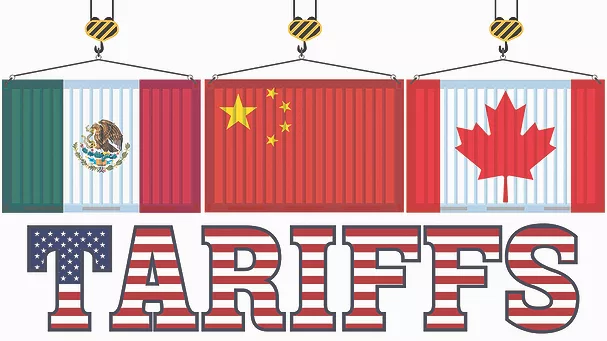
President Trump’s tariffs on Mexico, Canada and China have been implemented as of this writing (25% on Mexico and Canada and an addition 10% across-the-board on all goods from China).
With Mike Johnson re-elected as Speaker of the House (with the support of then President-elect Donald J. Trump) on the first ballot, it bodes well for the Trump agenda regarding the energy sector of the economy and the PVF industry.
When this column is published, the inauguration of the 47th President of the United States, Donald Trump, will have taken place or will commence shortly, igniting a new era of optimism for the PVF industry.