RSS
RSS

Design




Feature
Why Water Design Matters in Laboratories
From domestic supply to RODI systems, effective laboratory water design requires separation from domestic systems, backflow protection and water treatment strategies that support equipment reliability and repeatable research outcomes.
Read More

Feature
Beyond Prefab: How to Make Industrialized Construction Work
By planning from the estimating stage, standardizing repeatable systems and coordinating stakeholders before production begins, contractors can reduce risk, improve efficiency and deliver consistent results at scale.
Read More
Feature
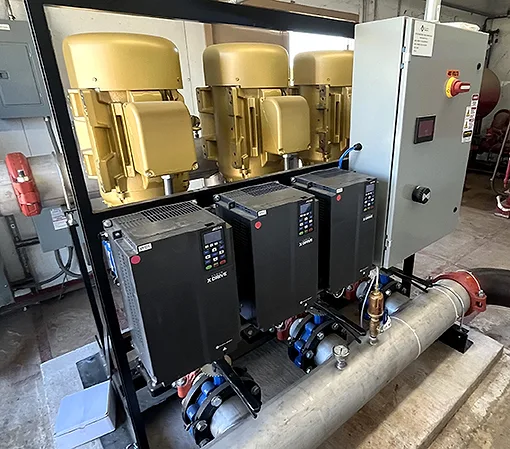
Designing for Demand: How to Right-Size Pressure Boosting Systems
Selecting the right pressure boosting system for commercial, industrial and municipal applications goes beyond comparing common specifications. Here are six best practices to consider.
Read More

Feature
What Is a BMS and Why Plumbing Systems Can’t Be Left Out
Plumbing systems must be brought into the same data-driven framework as HVAC controls for safer, smarter building operations.
Read More
Feature
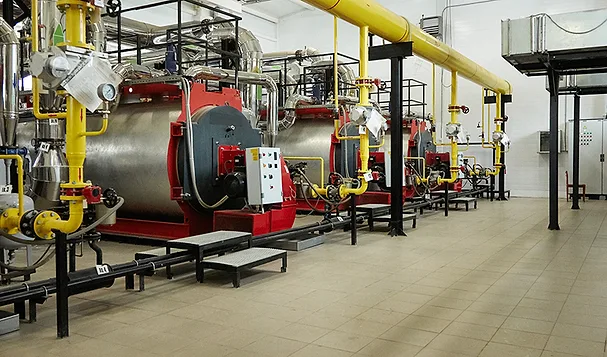
Back to Basics: Why Fundamentals Win
As HVAC systems become more advanced, sound fundamentals, clear controls and simple design choices remain the best path to stable, efficient systems.
Read More