Most of the plumbing contractors I know got into the business because they love the trade itself. They enjoy working with their hands. They are passionate about problem-solving. They like making a difference in the lives of their customers.
By contrast, very few plumbing contractors start their own businesses because they are drawn to paperwork or procedures. Yet, as plumbing companies grow and scale, it becomes less viable to operate purely on instinct, past experience and knowledge of the craft. Juggling multiple projects and technicians makes it imperative to pursue standardization by developing operating procedures that can guide every team member and every job.
For plumbing companies — especially smaller ones beginning to grow — standard operating procedures, or SOPs, not only save time and improve efficiency, but also protect against common and costly errors.
Creating consistency
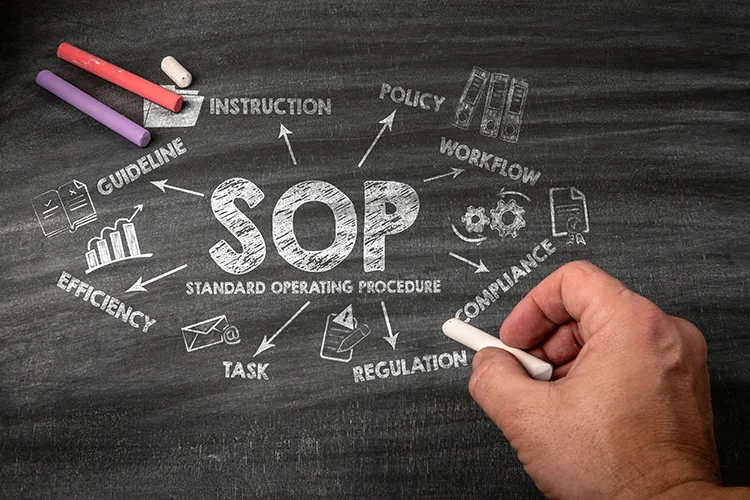
When we talk about SOPs, we’re referring to documented processes that show, in detail, how specific tasks should be handled. The goal is to create consistency by establishing a standard approach across the entire team.
SOPs can encompass technical tasks, such as how to install a water heater or conduct a video plumbing inspection. They should also address administrative, communication and behind-the-scenes tasks, including how to restock a truck’s inventory, send follow-up texts after a job or handle customer complaints.
What makes SOPs so important? For one thing, neglecting to implement them means employees will determine their own way of doing things. That creates inconsistency throughout the company. One employee carefully documents every install with photos, while another never does. One employee thoroughly explains financing details to customers, while another skips the conversation altogether.
These inconsistencies can add up to major mistakes. Because the customer experience differs each time, homeowners may become dissatisfied or frustrated because they do not know what to expect from any given technician. Inconsistencies also hurt internal team members because they cannot assume basic tasks, such as restocking the truck, have been completed properly.
The bottom line: Inconsistencies can result in dissatisfaction, rework, communication breakdowns and more. All of these issues can be avoided by ensuring standardization across the board.
Saving time every day
Even contractors who understand the value of consistency may hesitate to develop SOPs. After all, doesn’t putting these processes in place take a lot of time?
Actually, the opposite is true. Having SOPs saves time. Not having them can erode daily efficiency and productivity.
Consider how often the same questions come up repeatedly:
What’s our policy for warranty replacements?
Who orders the parts for this type of job?
What are we supposed to do if the customer declines repairs?
If employees have to stop and ask for guidance on every issue, it not only drains their time, but also forces managers to spend their days repeating instructions instead of focusing on team development, strategy or growth.
But what if, instead of bringing every question to a manager, team members could simply consult a standardized document designed specifically to address common questions and clarify typical procedures?
Office staff would work more efficiently. Technicians would make fewer mistakes and require less rework in the field. New hires would ramp up faster. In countless ways, SOPs help companies save time rather than waste it.
Another reason SOPs are essential is that they can dramatically reduce costly errors.
In plumbing, mistakes are almost always expensive. Something as simple as a technician forgetting to turn off the water supply valve can lead to major property damage. Incomplete documentation can result in voided warranties or other significant problems.
Even seemingly minor mistakes can damage profitability. Returning to a job site — even for a simple fix — results in lost productivity. A small invoicing error may mean a company does not get paid what it should. Inconsistency in the sales process can result in lost leads or reduced revenue.
It can be tempting to assume these problems are simply part of doing business, but more often than not, they stem from ineffective processes. While SOPs cannot eliminate errors altogether, they can make mistakes less common and less costly.
Developing SOPs
The good news is you do not need to assemble a massive operations manual to get started.
Instead, begin with the processes that create the biggest headaches.
Ask yourself:
What mistakes happen repeatedly?
What questions get asked every day?
What tasks depend too heavily on one person?
Where do callbacks or communication failures occur most often?
Then document the solution in simple, step-by-step language.
Remember, an SOP does not have to be cumbersome or complicated. Often, a one-page checklist or quick refresher document is enough.
The key is consistency. Review procedures regularly, improve them over time and make sure employees actually use them. Standardization will not become a burden for your team. On the contrary, it will free everyone to do their best possible work.