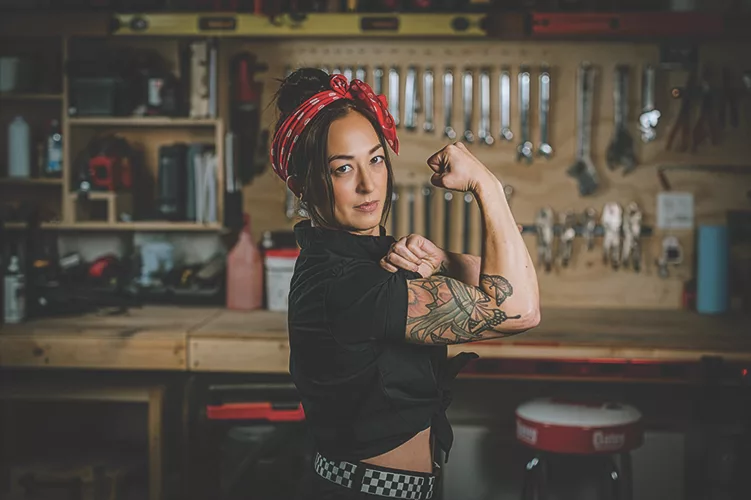
Mary-Anne Bowcott doesn’t believe she would be alive today if she were any good at tying knots. At just 17 years old, trapped in an abusive relationship and convinced there was no way out, Bowcott grabbed a yellow extension cord and tried to hang herself.
“I figured that the only way to spare my family was to just get rid of myself,” Bowcott says. “Just put myself out of my misery. But I suck at knots, and I just couldn’t get the cord to hold.”
It’s a line that almost feels out of place against the weight of the situation, but sheds insight into the individual Bowcott has grown into today — someone who meets even her darkest memories with a sense of humor. And while her experiences with abuse, addiction and poverty have undeniably shaped her, their lasting impact is more evident in how they’ve inspired her to give back.
A Hammer and a Hobby Farm
Bowcott’s story begins in Victoria, British Columbia, Canada. She was “very close” to her father, even though his work for the Coast Guard kept him away from home every other month. On the other hand, her relationship with her mother was more turbulent.
“I feel like we’re almost too much alike, which I would have never said back then,” Bowcott laughs. “We would constantly battle.”
Her parents also fought each other a lot, and Bowcott doesn’t believe they ever showed signs of a “loving” relationship. Making tensions worse, money was tight as well.
They made do in a small townhouse before moving Bowcott and her brother and sister to a rural town about 45 minutes away. There, they started a hobby farm with goats, a pig, some larger livestock, and hundreds of chickens, ducks, geese, partridges, pheasants and quail.
Despite her unconventional upbringing, Bowcott fondly recalls her childhood and building different things on the farm with her father. She credits their work to kicking off her penchant for skilled labor.
“One of my first memories is using a hammer. My father would make me pound the nails out of boards and then straighten them out so he could reuse them, which I think is just unheard of now,” she laughs.
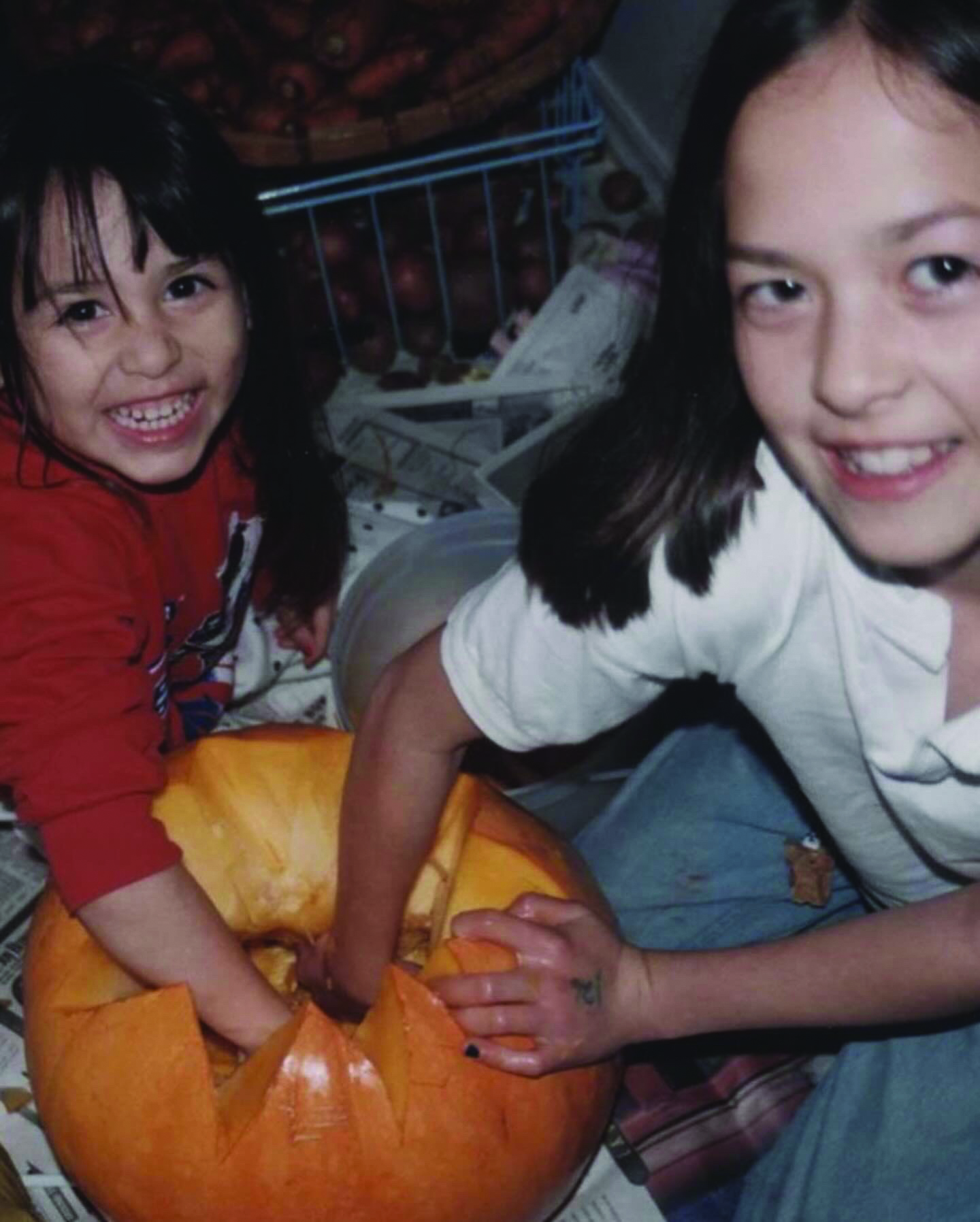
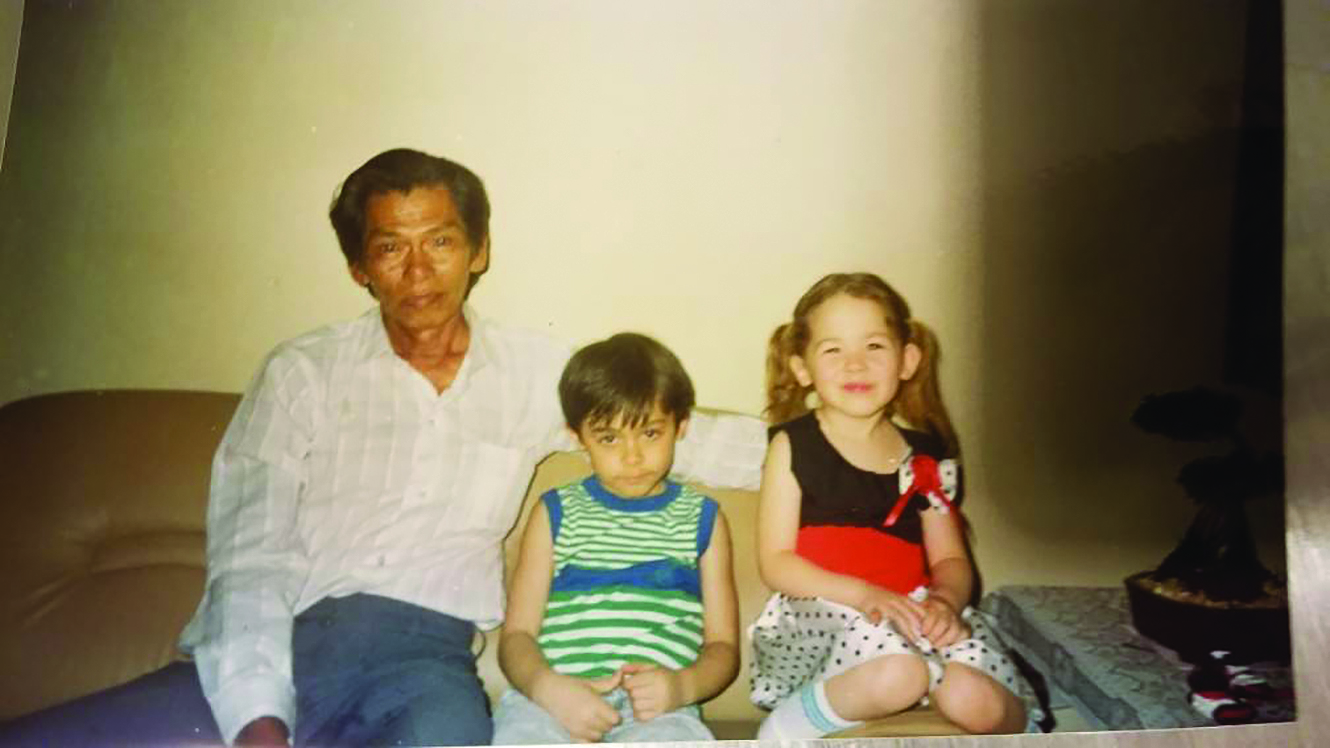 Bowcott grew up with her sister and brother inVictoria, British Columbia, Canada,before moving to a nearby rural town. Here she is pictured separately with both, in addition to her Opa.
Bullied Out of School
At school, Bowcott was a straight-A student with dreams of becoming an astronaut or working in the medical field. Socially, she struggled to find her place, however. “Weird” and small in stature, Bowcott became the target for bullying from an early age.
“I looked a lot younger than I was,” Bowcott says. “People thought I was supposed to be in Kindergarten when I was in fourth grade.”
Her Chinese, Indonesian, Scottish and French heritage also led to racism from her predominantly white peers and community.
“I remember one time my mom was driving with my brother and me in the back,” Bowcott says. “This car full of guys in their 20s pulls up beside us driving erratically, and they’ve got their eyes pushed up with their fingers — yelling out the window and pretending they’re Asian, basically.”
Bowcott still managed to thrive academically despite the indignities others threw her way. However, by the time she was 14, her parents separated after their strained relationship had reached its breaking point. In response, Bowcott began drinking and rebelling at school when others made fun of her.
Two “super nerds” who frequently called Bowcott names proved to be the straw that broke the camel’s back. She punched one in the mouth and smashed the other’s head into his desk.
“I was just like, ‘How am I getting bullied by the kids who are getting bullied?’” she laughs.
Now constantly getting into trouble, Bowcott’s relationship with her mother deteriorated even further, and she decided to leave home and drop out of school with her best friend when she was just 16. While one homeroom teacher tried to help Bowcott and encourage her to make it to graduation, overall, she feels school professionals failed to provide the proper support.
“I hated every minute of middle and high school, and it was pretty obvious that I was screaming for help,” Bowcott says. “That’s what I think now, anyways.
“It sucks because today, my nephew gets bullied, and I just want to fix that,” she continues. “I’ve tried to let him know that it’s only a short time, and things are so different after high school. But you can only tell a kid so much because that’s their whole life at the moment — it just feels like forever when you’re younger.”
A Spiral of Drugs and Violence
With the help of her father, Bowcott was able to sign for an apartment and move back to Victoria with her best friend.
“I don’t know why he thought downtown Victoria would be a great choice for me at that age,” Bowcott laughs. “My dad’s decisions are strange sometimes. I think it was a way for him to get to my mom, which worked.”
Downtown, things started shifting slowly — then all at once. Bowcott began wearing makeup and more fashionable clothing, and for the first time, started to feel she looked like other girls her age. One day, she walked past a group of guys sitting outside of City Hall and something unfamiliar happened.
“It was the first time somebody I didn’t know called me ‘pretty,’” Bowcott says.
The fleeting moment landed with weight. Bowcott and her best friend grabbed a few drinks with the group and started to hang out with them on a regular basis before learning that many of these new friends were also drug dealers.
“We didn’t know anybody in Victoria, so these were the first people that we had actually met,” Bowcott says. “It was a bit of a spiral into partying, alcohol and experimenting with drugs from there.”
By 17, Bowcott had fallen into addiction and an abusive relationship. Her boyfriend frequently beat her up, sometimes to the point of hospitalization. He constantly threatened to kill her family if she broke up with him, and he rarely allowed her out of his sight for fear she would leave. It was during a rare moment of solitude that Bowcott attempted suicide with the yellow extension cord.
“But like I said, the knots failed, then he came home, and that was the end of that,” Bowcott says. “I didn’t know what to do. With abusive relationships, people always ask, ‘Why didn’t you just leave?’ It’s not that easy. It’s manipulation. It’s brainwashing. It’s threatening your family, your pets.”
Simultaneously battling her drug addiction, it wasn’t until she woke up after three days of partying for her 18th birthday that she realized she had a problem.
“I just looked in the mirror and saw my face was all sunken in and bruised,” Bowcott says. “My wrists were the size of toothpicks — I don’t even know how my bone structure could have been that small. I just was like, ‘This isn’t fun anymore.’”
She decided to quit drugs cold turkey. Once she became sober, she confided in her mother about the domestic violence she was experiencing.
“My mom just said, ‘You know, you don’t have to worry about us. We’ll figure it out. You just need to get out,’” Bowcott says.
Breaking the Cycle — For Good
The conversation with her mother pushed Bowcott to leave her boyfriend. Coupled with her newfound sobriety, Bowcott was beginning to turn her life around. Previously working a string of hospitality jobs, she drew on her hobby-farm experience to start working as a roofer at 19 years old.
It was during this job that she met her next boyfriend, who unfortunately was “much, much worse.” While their relationship started off well enough, trouble arose when he began using drugs. He would constantly accuse Bowcott of stealing drugs from him, even though she was staunchly against any type of substance use by this point in her life. Still, she tried to make things work and even started a roofing business with him.
“It was just a disgrace,” Bowcott laughs. “Tragic, really. I learned how to not make money.”
Soon, other patterns began to repeat themselves, and Bowcott once again had to endure manipulation tactics and threats against her family.
“He had also hit me a couple times by this point, and I told him that if he did it again, then we wouldn’t be together. I’d been there, done that, and didn’t want to allow it to happen to me again.”
The breaking point came during an argument while the two were working on a roof together.
“He grabbed me by my throat, picked me up and threw me against a wall with my feet dangling in the air,” Bowcott says. “And I was just like, ‘Yeah, that was the last time. We’re done.’”
It wasn’t easy, though. After ending things, he stalked Bowcott for months, trashed her house and broke into her workplace. He had also left Bowcott with $16,000 worth of debt from their failed business, which was an astronomical amount for the then 21-year-old to manage.
“I struggled with that debt for so long, and I actually just paid it off last year,” Bowcott says. “It was amazing — just the best day.”
Red Flags
Looking back at both relationships today, Bowcott wishes she would have listened to more people who were trying to help her. She had to regularly report to the probation office due to the trouble she got into as an addict, and they took notice when she tried and failed to conceal her bruises with makeup. They provided Bowcott with a list of all the things an abusive person might say, and almost every single line had been said to her.
“It was just like red flag, red flag, red flag, red flag,” Bowcott says. “And I crumpled it up and threw it away. There was no helping somebody in the position that I was in, because you can’t tell an addict anything. They’ve got to be able to change themselves before anybody can help them.”
Bowcott also wishes she would have taken advantage of some of the resources that were available, such as transition housing. But asking for support was difficult. At the time, she wasn’t even allowed to make eye contact with strangers when she walked down the street; any interaction with another man could trigger physical violence from her jealous boyfriend later.
“Having connections with the outside world is impossible for many women who are struggling with abuse,” Bowcott says. “Trying to make that initial connection to somebody who would be able to give help is really, really challenging.”
Her advice is therefore geared more toward the loved ones of potential domestic violence victims.
“Just make sure that your friends are OK,” Bowcott says. “I don’t think many of my friends tried to help me at all, actually. Or if they even knew that it was happening. I don’t know. It’s hard to say. They must have — they must have known.”
The Unpredictable Path to Plumbing
Today, Bowcott is the proud owner of The Lady Plumber Inc. Interestingly enough, plumbing had never been part of Bowcott’s plan, though.
After her first business with her ex-boyfriend failed, Bowcott continued working as a roofer for another company. After a few years, she found herself restless — burned out by the repetition of the job and capped financially by its seasonal nature.
“I was bored,” Bowcott says. “That was the biggest thing.”
So, she started exploring other trades and even enrolled in a women-in-trades exploration course at her local college. But nothing clicked — especially not plumbing.
“The course was horrific,” she laughs. “There was a shadow box outside of the shop with these PVC pipes and fittings glued together with primer just dripping off. It was very messy, and I have an artistic background, so I was just like, ‘There’s no part of me that wants anything to do with that.’”
But plumbing ended up being the only job that came Bowcott’s way that wasn’t roofing. She started with a plumbing apprenticeship at a company owned by a friend, working and attending trade school until she got laid off during the 2008 recession. Luckily, she was able to quickly line up another job through a connection from her new boyfriend, Dale.
“Originally the owner was like, ‘Ehh, I don’t know about hiring a female plumber,’” Bowcott says. "And then his wife told him to give me a try. So, she’s the one who helped me get that job.”
Bowcott worked at the company for the rest of her apprenticeship and into her journeyman status until she injured her back in 2015. After being away from work for three months, she knew she couldn’t continue to survive off workers’ compensation. And while she was getting better, she wasn’t able to dig, which was the bulk of her work in new construction.
“Dale and I talked and he said, ‘Why don’t you just try doing your own thing where you can pick and choose your jobs?’ Bowcott says. “I was like, ’OK let’s give it a try.’ And from day one, I’ve just been slammed busy.”
The Lady Plumber Inc.
Eleven years later, The Lady Plumber Inc. continues to provide professional residential and light commercial plumbing and gas services throughout Vancouver Island. While business is flourishing, Bowcott made the tough decision to let her last field employee go in February 2025 — a change that has made a major improvement on her stress levels.
“I was not happy being a business owner with employees,” she says. “It was really hard to have a life outside of work. Even going on holiday was extremely difficult because you’re still constantly on the phone with your employees back home.
“And nobody cares as much as you do,” Bowcott continues. “I really struggled with that because I’d go back to jobs and see an employee’s work and be like ‘What is this? Why would this person do it like this?’ I just have such high standards when it comes to everything.”
Another recent shift, Bowcott also decided to rebrand her business (formerly Westcom Plumbing and Gas) to consolidate paperwork due to the money she was earning from her growing social media presence under @the_ladyplumber handle.
Bowcott has amassed nearly 700,000 followers across Instagram, TikTok, YouTube and Facebook and shares daily videos documenting her day-to-day work, how-to advice, brand partnerships, new products and technology, trade shows and more.
“It’s been crazy. You know, I never thought that I would be that interesting,” Bowcott laughs. “It’s definitely given me a lot of opportunities that otherwise wouldn’t have happened. The whole reason I started was just to inspire the younger generation and show that you don’t have to look a certain way or have a certain body type to work in a non-traditional trade. I’m pretty opposite of what the stereotypical ‘woman in the trades’ looks like.”
Women in the Trades
In general, Bowcott says social media is making a big difference in presenting the trades as a viable career path for women and the way women in the trades are perceived, noticing the biggest improvement within the past 15 years.
While she feels “fortunate and grateful” to have worked with fantastic crews for the majority of her career, she recognizes that is not the case for everybody and still wishes she had had more female mentors while she was getting her start.
“There were just no women,” Bowcott says. “Maybe a few painters here, a few welders there. I didn’t know who to talk to about some of the things I went through like sexual harassment, or even just having your period on the job and where to throw your trash away in a porta potty.”
She notes the stark difference from the industry today, which has had a surge of support groups, associations and events for women. Bowcott herself is a fan of the BuildHer Leadership Summit, which is designed for women in construction, business ownership, and executive roles to learn, reset and scale their businesses.
“You think that you have experience in the trades until you meet women who have been doing it for twice as long as you have,” Bowcott laughs. “The amount of knowledge that they have to share is so great. I saw so many women change their businesses and their lives in just one year between the two events I attended.”
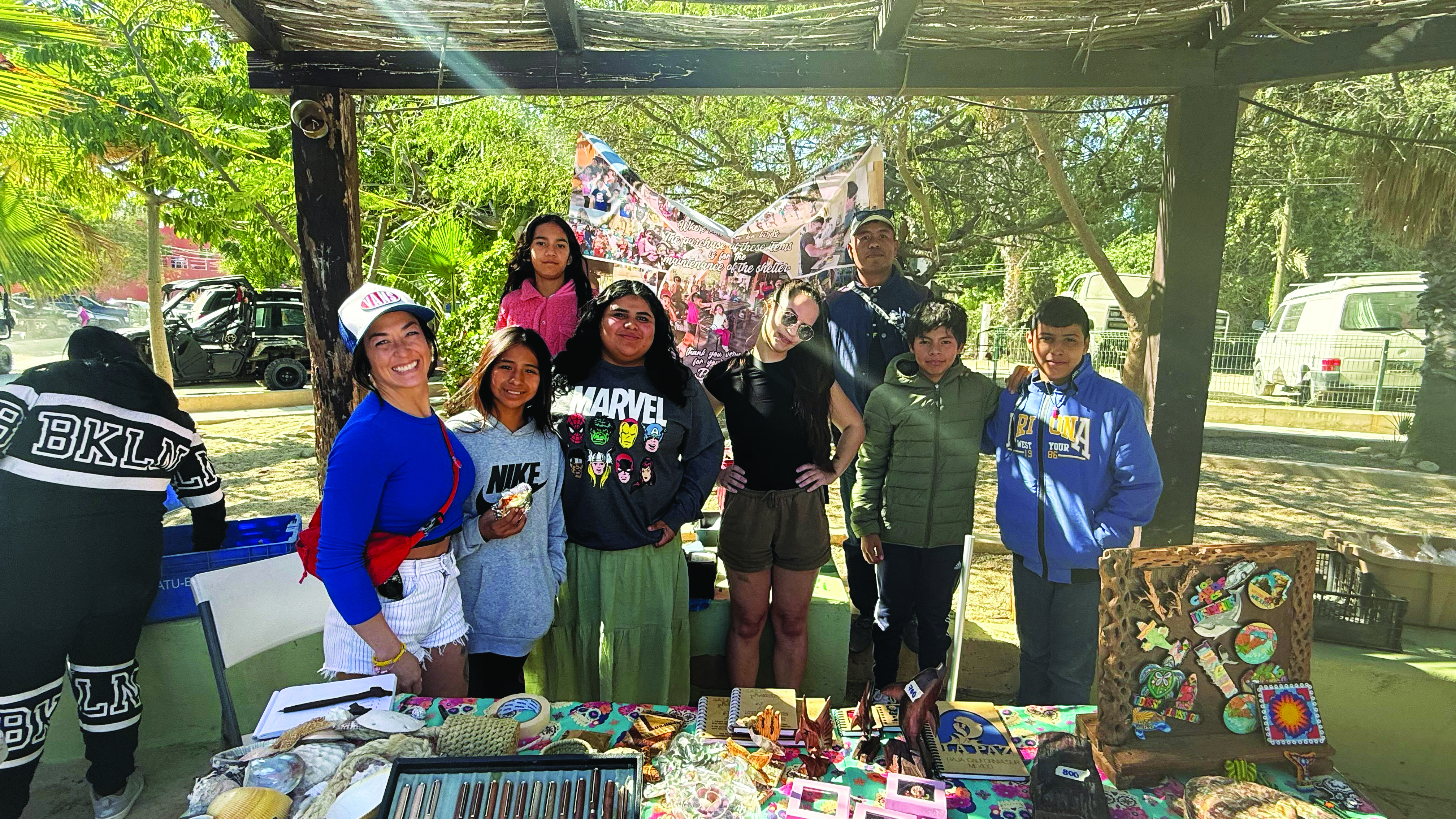 One of Bowcott’s favorite experiences through The Impact Projectwasrepairing and replacing plumbing fixtures at a foster home in Mexico.
The Impact Project
Having once navigated life and the trades without any type of guidance or support, Bowcott recently began thinking about what she could be doing to give back.
“I can only imagine having to choose between fixing a leaky roof or feeding my kids,” Bowcott says. “My family was often in a similar position when my dad was gone half the time and couldn’t keep up with repairs.
“When I started actually making money for once in my life, I didn’t know what to do with it, because I just spent my whole life struggling,” she continues. “I thought, ‘Well now that I’m not, how can I help the person who still is?’”
Thus, last year Bowcott launched The Impact Project to provide free work for people who otherwise couldn’t afford it. So far, she has completed 12 projects — from local efforts to international endeavors.
Projects have varied in scale, with some of the larger ones at a foster home in Mexico and senior care facility in Costa Rica amongst Bowcott’s favorites.
At the foster home, Bowcott’s work included repairing hose bibs, repairing and replacing seven toilets, and fixing the shower and a plug drain.
“I want to help these kids because they don’t know any differently,” Bowcott says. “They’ve only lived in these conditions as far as their memory can serve them. You go there and make a couple little repairs, and now they have pressurized hot water.”
Similarly, the senior care facility in Costa Rica had been without hot water for six months when Bowcott arrived. She provided and installed eight water heaters, and while residents shed tears of joy after her work was done, it was a seemingly small gesture of kindness that really pushed their emotions over the edge.
Bowcott provided residents with various toiletries, such as shampoo, conditioner, toothpaste, toothbrushes, soap and loofahs — leading to more tears and cheek kisses from the seniors. One woman was so protective of her new gifts she refused to put them down while taking photos with Bowcott before she left.
“How great is it to condition your hair when you haven’t for a year?” Bowcott says. “For us, it’s nothing, but for them, it was just the world.”
For now, Bowcott is taking The Impact Project step by step, but plans to expand her efforts and eventually collaborate with more industry partners. She hopes that her previous projects have started to change perspectives, though.
“For the most part, living in North America is easy,” Bowcott says. “It doesn’t matter how hard you have it compared to how many other people live in the world. You only realize that once you go into the non-touristy areas of these countries and see just how bad conditions are. It opens your eyes to a totally different way that people live that you would never know otherwise.”
The Light at the End of the Tunnel
Bowcott frequently travels to other countries for fun as well, recently celebrating her 40th birthday in Indonesia. Her favorite trip yet, she and Dale split their time between a surf resort and hanging out with Bowcott’s extended family who still live in the country.
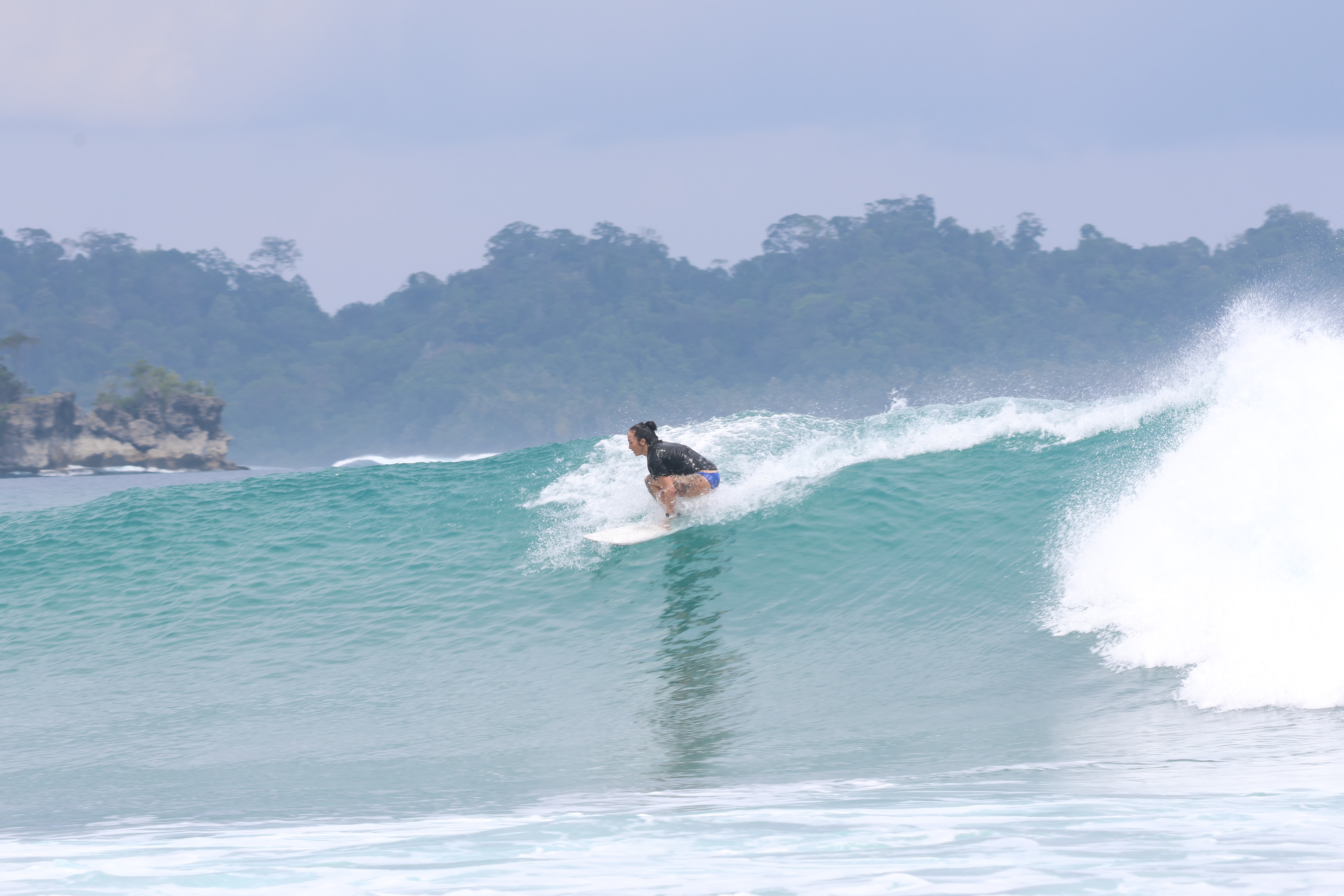
Her hobbies don’t stop with traveling and surfing, though. Bowcott also enjoys rock climbing, roller skating, painting and weight training — which she says is crucial to eliminating pain from her previous injuries and preventing new ones from forming on the job. She admits that her attention can wane amongst the others, though.
“Instagram is really bad for me,” Bowcott laughs. “If I see something cool, I want to do it, and then that’s kind of it.”
With her full business schedule, it may seem unlikely that Bowcott has time for all her interests. However, she says the key for tradespeople to maintain a healthy, full personal life is developing a “forced balance” strategy that fits one’s individual needs.
“Dale and I are both the same way,” Bowcott says. “If we don’t leave our town, we’ll just end up working while we’re here even if we take time off. We have to physically disconnect and leave the area.”
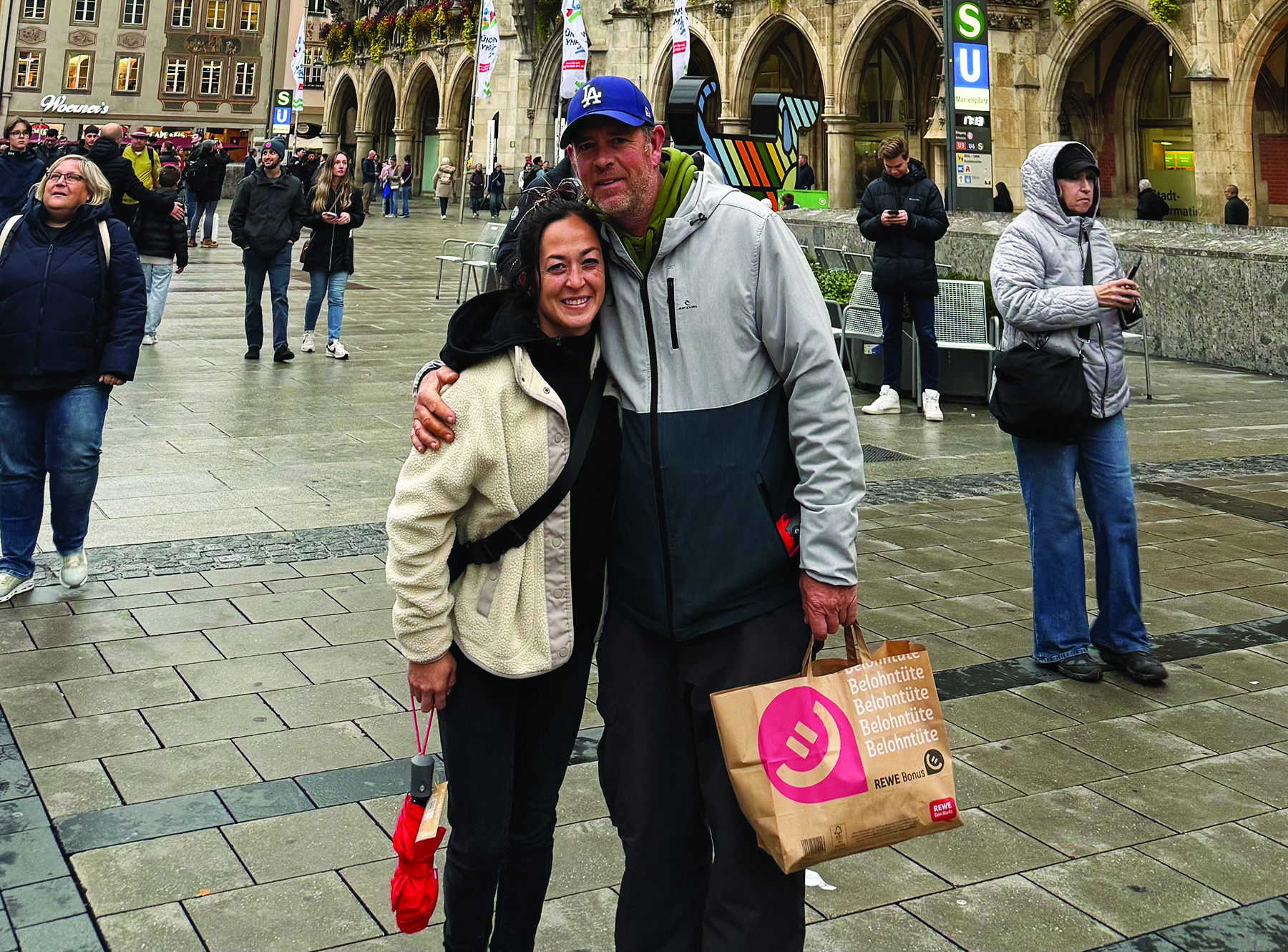 Bowcott and Dale during a recent trip to Munich, Germany.
Celebrating their 19th anniversary this year, Dale and Bowcott look forward to seeing what else the future has in store.
“I’ve never had a relationship with somebody who is kind and supportive like him,” Bowcott says. “And we’re equals. We’re best friends. It’s something that I’ve just never experienced before with a male companion. I couldn’t imagine life without him.”
Bowcott also has trouble imagining missing out on the wonderful life they’ve built together in the past 19 years.
“Life can be hard, but you can always make it better,” Bowcott says. “I’m so glad that I was really bad at knots. There’s always a light at the end of the tunnel — it doesn’t matter how dark it is.”