 RSS
RSS

Engineers & Specifiers


Feature
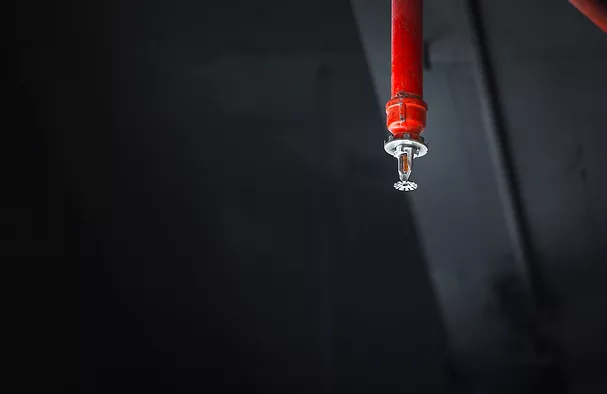
The Great Debate: Can Sprinklers be Omitted from Certain Building Features?
Understanding NFPA 13 will allow engineers to omit fire sprinklers from certain building design aspects without compromising life safety protection.

Feature
Value Engineering Commercial DWV with Foam Core PVC
While the plumbing industry still debates cast-iron soil pipe or PVC, a new, even lower-cost alternative is being introduced on many commercial projects.
Read More
Feature
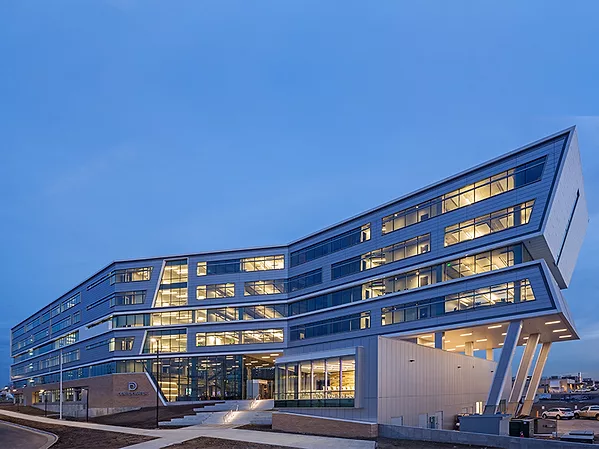
Plumbing Efficiency in a Modern High-Performance Building
Denver Water’s new administration building incorporates a plant-based blackwater system and a rainwater system to conserve potable water.
Read More
Feature
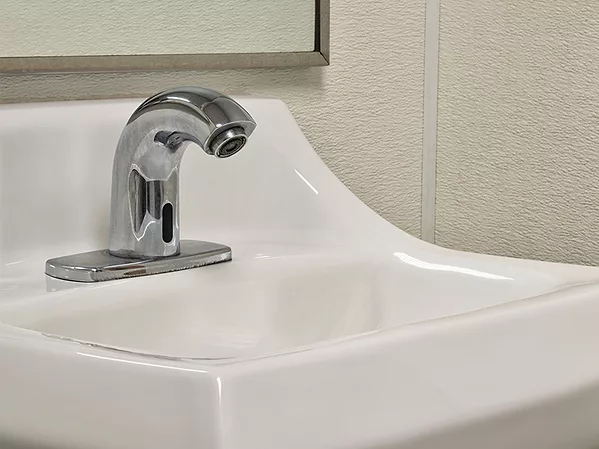
Benefits of Using Hands-Free Fixtures
Automatic sensor-type plumbing fixtures not only improve restroom aesthetics, but also create a safer, more sanitary environment.
Read More
Water Reclamation
Filtration Deep Dive
Most human-made water treatment methods simulate natural filtration processes and can be scaled to fit a variety of applications.
Read More
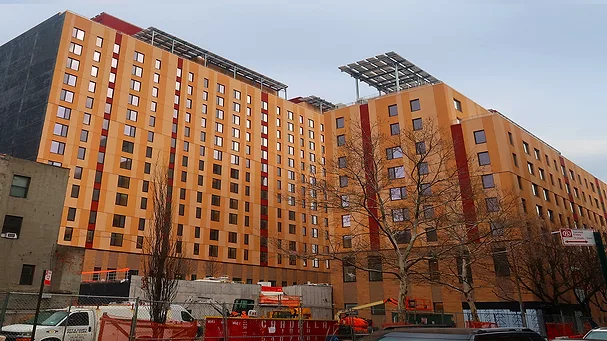
The Future is Now
Clean Energy Systems Get BIG
Passive House projects in Boston and NYC are reducing carbon emissions and conserving energy.
Read More

Code Classroom
The ASSE 1070 Standard
Originally, the standard provided for both an adjustable and maximum limit feature; however, the adjustable feature has all been written out of it.
Read More


