We use cookies to provide you with a better experience. By continuing to browse the site you are agreeing to our use of cookies in accordance with our Cookie Policy.
In a pair of letters to the Senate Committee on Environmental and Public Works, IAPMO and its partners applaud the committee for putting forward bipartisan solutions to the challenges posed by the nation's water infrastructure and recommend additional measures the organizations believe would enhance the legislations' effectiveness.
Residential reverse osmosis (RO) water treatment systems provide an excellent means to reduce contaminants found in drinking water by utilizing a semipermeable membrane to remove ions, molecules, and particles.
Households impacted by contaminated groundwater that desperately require water treatment devices to supply the home with a potable source may now apply for the Household Wells Systems grant, with or without the installation of a new water well system.
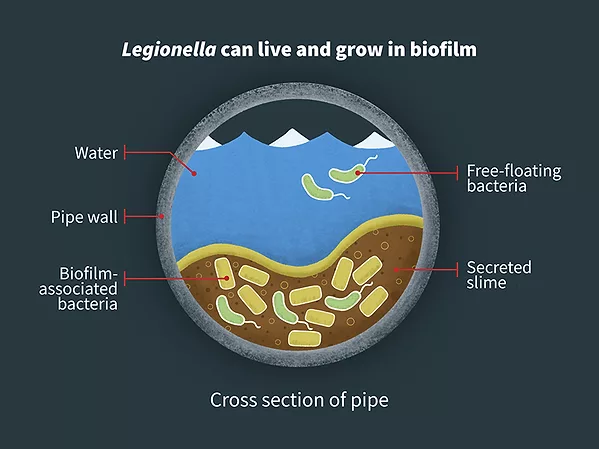
It’s possible that water left sitting for long periods of time could contain excessive amounts of heavy metals and pathogens concentrated in pipes nationwide, say researchers who have begun a field study on the impact of a pandemic shutdown on buildings.
A letter from IAPMO CEO GP Russ Chaney details specific measures that would enable the relief bill to ensure vulnerable populations have access to life-saving water and sanitation services.
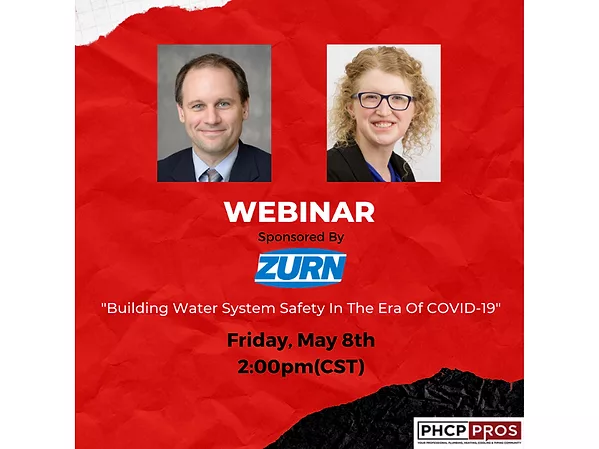
Given the tremendous need for COVID-19 information and guidance, the American Water Works Association (AWWA) is now offering its upcoming COVID-19 webinars free of charge to both members and non-members.