We use cookies to provide you with a better experience. By continuing to browse the site you are agreeing to our use of cookies in accordance with our Cookie Policy.
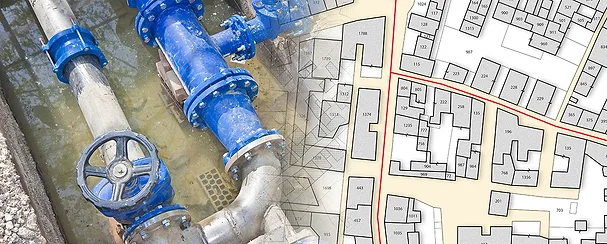
To understand how a BWS fits in with a PWS, one must understand where the water comes from originally, what preservatives and other beneficial constituents are added to the water during treatment, and where to find information about the water system.
Whether designing a building’s water system, installing and commissioning one, developing a water management program (WMP), or troubleshooting water quality problems, it is important to have a good understanding of the water supply to a building water system (BWS), whether the supply is from a connection to a public water system (PWS) or is self-supplied.
A properly implemented building management system can strengthen water management plans in buildings. Here is how.
Water quality in buildings is defined by a matrix of measurable parameters: disinfectant residual, turbidity, pH, total organic compounds, hardness and suspended solids, among others.
The event, held Oct. 8-14 at the Oklahoma City Convention Center, brings together plumbing engineers, designers, contractors and other industry professionals.
Acorn Engineering Company has been recognized on TIME’s 2026 list of America’s Best Private Companies, which evaluates employee satisfaction and company impact.
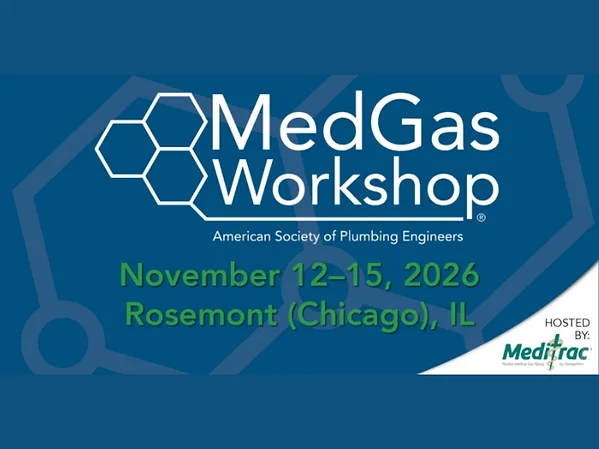
ASPE’s MedGas Workshop is set for Nov. 12–15, 2026, at its Rosemont, Illinois, headquarters, just minutes from O’Hare Airport and within walking distance of several hotels.