We use cookies to provide you with a better experience. By continuing to browse the site you are agreeing to our use of cookies in accordance with our Cookie Policy.
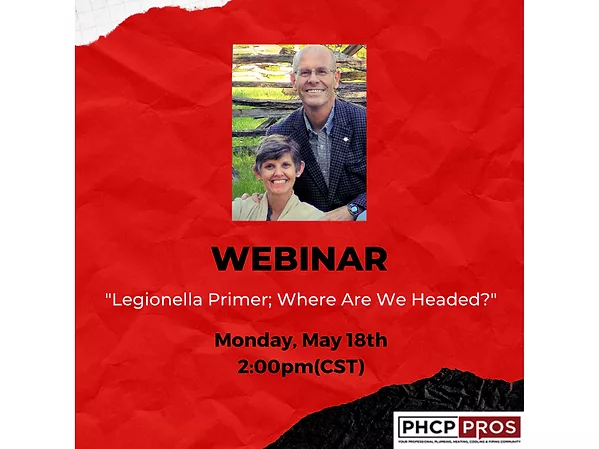
SPL President Janet Stout, Ph.D., a clinical and environmental biologist with more than 30 years of pioneering research in Legionella, will teach the three-day course.
The guideline is intended for use by owners of human-occupied buildings and those involved in the design, construction, installation, commissioning, management, operation, maintenance, and service of centralized building water systems and components.
Following these procedures should prevent thousands of workers from getting sick and dying from Legionnaire’s disease and other types of waterborne illnesses associated with stagnant water.
The company's customized assessment and action plans aim to deliver the health, safety and assurance needed for building occupants to return with confidence.
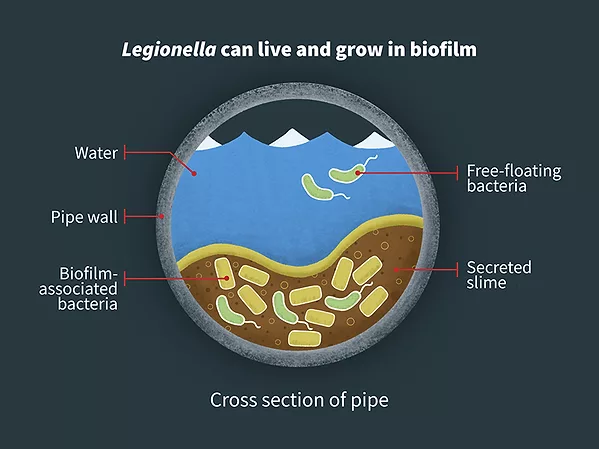
The Plumbing Foundation City of New York is urging large commercial landlords and building management companies to take necessary precautions to safeguard tenants and the public from deadly microbes such as Legionella and other biofilm bacteria.
Popular Plumbing Engineer Columnist, Ron George, will present on proper way to perform an emergency flush and disinfection procedure following a lengthy shut-down of a building.
A team of engineers at NIST has produced a list of high priority research needs that would establish a foundation for the design, maintenance and operation of plumbing systems fit for the water needs of today and onward.
IAPMO published the 2021 Uniform Plumbing Code (UPC) and the 2021 Uniform Mechanical Code (UMC) in March. The codes were improved with safety provisions for the protection from legionellosis, safe installation of alkaline water treatment devices, and protecting homes with the inclusion of requirements for leak detection, just to list a few.
 RSS
RSS