We use cookies to provide you with a better experience. By continuing to browse the site you are agreeing to our use of cookies in accordance with our Cookie Policy.
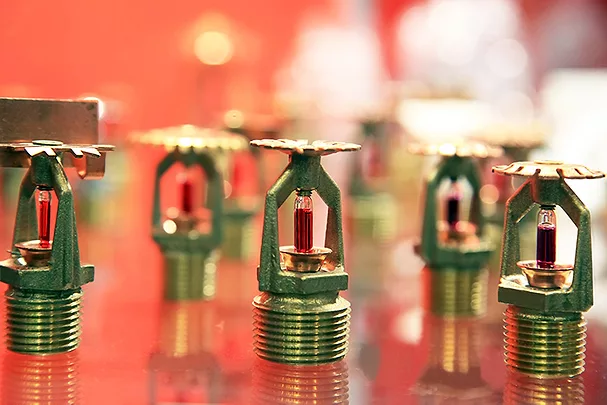
Sprinklers remain one of the most effective active protection systems against the threat of fire, and their use provides flexibility to fire
protection designers.
Melisa Rodriguez, PE, discusses the importance of building codes and standards in maintaining fire safety, particularly in situations involving window sprinklers, atrium enclosures and water curtains.
In her new role, Laureen will provide strategic HR support to Wolseley Canada’s senior
leadership team and oversee the human resources team and strategy.
This decision comes after careful consideration and is a testament to the state’s commitment to upholding the highest standards in wildfire resiliency and mitigation.
The occupancy hazard design approach focuses on fire severity potential, requiring engineers to assess and classify each space individually.
The occupancy hazard design approach for fire sprinkler systems is crucial for determining the amount of water needed to control potential fires based on the quantity and combustibility of contents.
Newer technologies and updated standards allow these systems to
continue providing effective and reliable fire protection in a wide range
of settings.
Key changes of NFPA 13 (2025) include flexible adoption of newer standards, revised definitions and updated installation requirements for sloped ceilings and high clearance areas.
The 2025 Manufacturers/Suppliers (M/S) Council of American Fire Sprinkler Association’s (AFSA) is ready to represent and serve the Associate members in the new year.