RSS
RSS
Engineering

Feature
Q&A with David Brakenwagen, CEO at Leonard Valve Co.
The water temperature control manufacturer operates with ‘integrity and purpose to deliver the highest level of service and product solutions’ to all its industry partners.
Read More

Feature
Systems Architecture for Zero Net Energy Performance in Multifamily and Office Buildings, Part 3
The last part of this series focuses on improving heat pump efficiencies.
Read More

Feature
Beyond the Blueprint: Mastering Plumbing Design for Behavioral Health Facilities
The role of a plumbing engineer in these environments goes far beyond traditional design and installation.
Read More
Feature
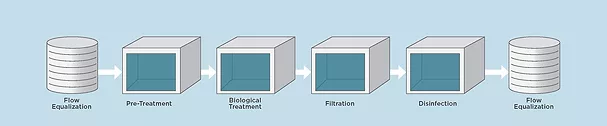
Treatment Methods for On-Site Alternate Water Treatment Systems
Typically, one technology is not able to remove the wide diversity of water contaminants.
Read More

Feature
Energy Efficient Design and Modeling: Are You Ready for It? Part 1
Are we taking full advantage of the resources available to us and providing our clients with the right data?
Read More

Feature
PAE Living Building: A Roadmap to Net-Zero Water
With far-reaching goals for providing a roadmap for water use in Living Buildings,
this project is an attempt to close the water cycle.
Read More
Green Ideas
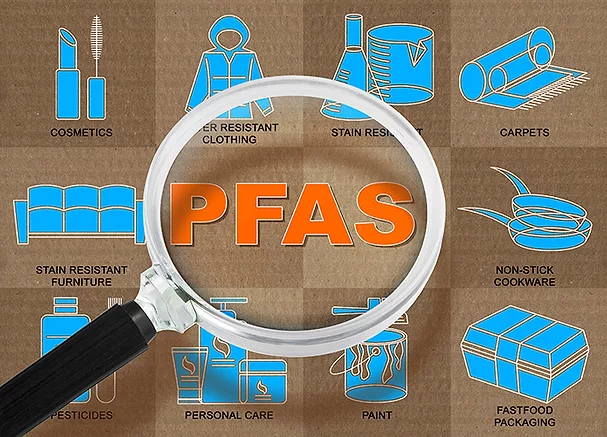
PFAS Not Used in Pipe Production
Stringent regulations and standards govern plastic pipe production, especially those used for our drinking water supply.
Read More
Code Classroom
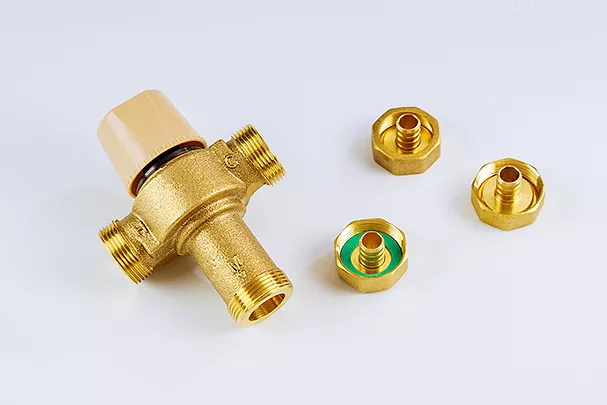
Water Heater Vs. Heat Exchanger and Control Valve, Part 2
Varied hot water temperatures leaving the heat exchanger must be mixed to deliver stable temps to the hot water distribution system.
Read More