We use cookies to provide you with a better experience. By continuing to browse the site you are agreeing to our use of cookies in accordance with our Cookie Policy.
The announcement builds upon a pledge made last year when more than 300 heating oil industry professionals committed to achieve 15 percent carbon reductions by 2023, 40 percent reductions by 2030 and net-zero by 2050.
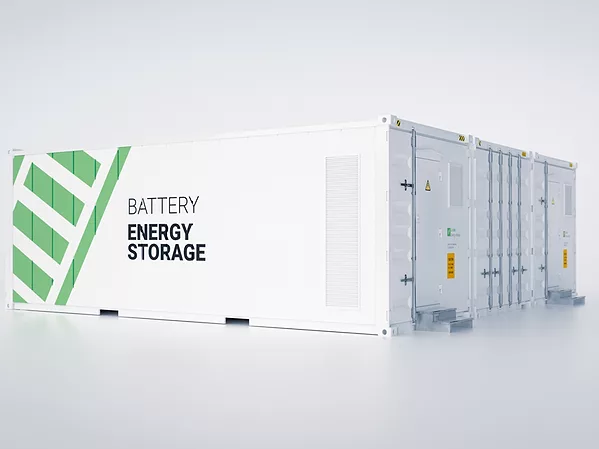
Which battery technologies can best power homes? Lithium and other chemical batteries are the trends, but some diversity in storage materials could help take some stress off-peak electrical grid moments.
The training facility, designed for the plumbing industry, will generate all energy required to support the operation of the building on site through the incorporation of several renewable energy technologies.
 RSS
RSS