Hearing a coworker’s warning. Seeing a change in footing. Recognizing a hazard before starting a task. Your senses and skills help you navigate the workday, and protecting them deserves ongoing attention.
RUGGED Mind and Body’s October healthy aging series continues with practical guidance on hearing protection, vision and balance, and using experience to support safe work.
Protect Your Hearing Before You Notice a Loss
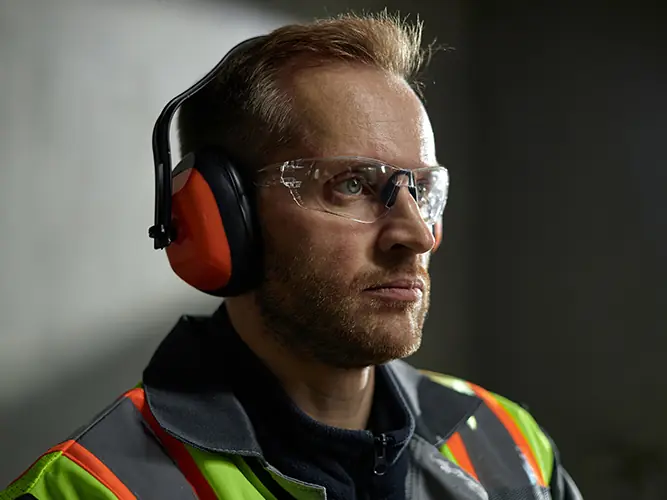
A loud work environment can become familiar. That does not make it safe. The National Institute for Occupational Safety and Health (NIOSH) warns that repeated exposure to hazardous noise can cause permanent hearing loss. Reducing workplace noise also helps workers hear signals, alarms and verbal warnings.
Make hearing protection part of preparing for the task:
Use the hearing protection selected for your work and noise exposure
Get help with fit, and wear protection consistently when required
Ask your supervisor or safety lead about reducing noise at its source if possible
Raise concerns if your protection interferes with other safety equipment or necessary communication
NIOSH recommends controlling noise first and selecting hearing protection that fits correctly and meets the demands of the job.
Do Not Ignore Changes in Vision or Balance
Difficulty seeing in low light or feeling unsteady on steps deserves attention. The Centers for Disease Control and Prevention (CDC) identifies vision impairment and medication side effects, including dizziness and muscle weakness, as factors that can increase fall risk among older adults.
The CDC recommends several ways to help reduce that risk:
Get a dilated eye exam at least once a year
Keep rooms, hallways and stairs well lit
Include exercises that improve strength and balance
Wear sturdy, nonslip footwear that fits properly
Ask your doctor whether any medicines could contribute to dizziness or drowsiness
If you notice changes in your vision or steadiness, discuss them with a health care professional. Addressing those concerns belongs alongside keeping your glasses prescription current and checking your surroundings for trip hazards.
Experience Is an Asset, Not a Substitute for Safety
Years in the trades build knowledge worth sharing. NIOSH recognizes experience and institutional knowledge among the strengths older workers can bring to a workplace. It also recommends continued training, hazard management and opportunities for workers of different ages to learn from one another.
Put that experience to work in your daily safety habits:
Check the conditions before beginning a familiar task
Follow current procedures, even when you have done the work many times
Explain the hazards behind a safety step when mentoring a coworker
Speak up when equipment, access or working conditions raise a concern
A familiar job still deserves a fresh look. Use what you have learned to ask better questions, recognize problems and help others work safely.
Protecting the abilities you rely on starts with practical steps. Make sure your hearing protection fits correctly. Schedule an eye exam. Share a safety lesson with someone learning the trade. Give the abilities you rely on the attention they deserve so you can stay safe on the job and keep enjoying what matters to you outside of work.
Interested in learning more? Connect in two ways to stay informed on trade-focused mental health and wellness content:
Subscribe to PHC News magazine for quarterly print and digital issues
Sign up for the monthly RUGGED Mind and Body e-newsletter
Sources
https://www.cdc.gov/niosh/noise/prevent/
https://www.cdc.gov/niosh/noise/prevent/ppe.html
https://www.cdc.gov/vision-health/prevention/older-adult-falls.html
https://www.cdc.gov/niosh/aging/about/