The best time to prepare for a difficult situation is before you are in the middle of one. Whether the risk is physical strain, hazardous exposure, or mounting stress, having the right protections and resources in place can make it easier to respond when conditions change.
This month, RUGGED Mind and Body is focusing on preparation and prevention, sharing information and resources from established health and safety organizations to help trades professionals protect their long-term physical and mental health.
For trades professionals, preparation is part of working safely. You bring the right tools, use protective equipment, plan for jobsite conditions and know what to do when a hazard develops. That same mindset can extend beyond the immediate task. Knowing where to turn for support, consistently using the protections available to you and building habits that support your health can help you act earlier rather than waiting until a problem becomes harder to manage.
Build an Early-Intervention Plan Before You Need It
When stress starts to build, it can be harder to figure out where to turn or what to do next. Having a basic plan in place ahead of time can make it easier to take action.
The Substance Abuse and Mental Health Services Administration (SAMHSA) notes that some employers offer workplace wellness programs or Employee Assistance Programs (EAPs) that may provide stress-reduction services and free or low-cost counseling.
- Before you need those resources, know:
- Who you can call when stress starts to climb
- Whether your employer offers an EAP or wellness program and how to access services
- What activities or routines typically help you recover
- Who at work you can approach when you need support
- The goal is not to wait until stress becomes overwhelming. Knowing what support is available and how to access it can make it easier to take the next step when you need help.
Use Your PPE Consistently, Not Selectively
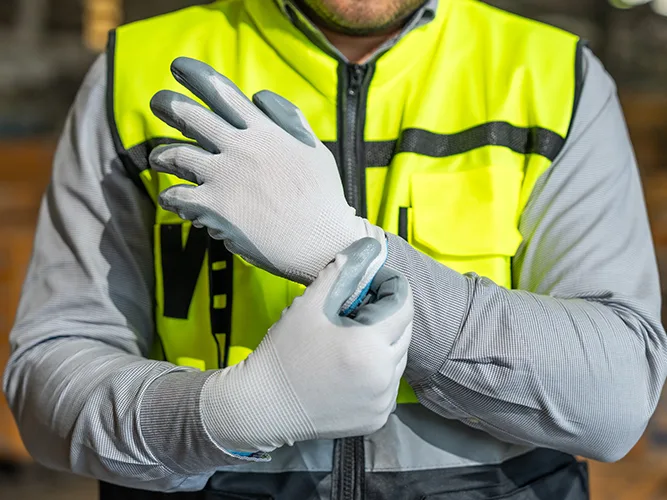
Personal protective equipment (PPE) is designed to minimize exposure to workplace hazards that can cause serious injuries and illnesses. OSHA emphasizes that PPE must be appropriate for the hazard, properly used and maintained.
- Make consistent PPE use part of how you prepare for every task:
- Know when PPE is required
- Use the right PPE for the hazard and ensure it fits and is worn correctly
- Understand its limitations
- Inspect and maintain your equipment
- Use it every time it is required
PPE is most effective when proper use becomes routine. Prepare for the hazard before the work begins, and use the appropriate protection throughout the task.
Build a Personal Prevention Toolbox
Think about prevention tools the same way you think about the tools you bring to a job. Different hazards require different equipment and strategies, and being prepared means having the right resources available before you need them.
Your personal prevention toolbox might include:
- The appropriate PPE for the work you perform
- Work practices or equipment that help reduce unnecessary physical strain
- Consistent sleep and recovery habits
- Knowing where to find information about mental health, workplace wellness, or Employee Assistance Program resources
Preparing for other physical and mental demands before they become problems can make it easier to respond early. Preparation does not eliminate every hazard or difficult day. It gives you a better starting point.
Know your resources. Use your protective equipment consistently. Keep the physical and mental health tools you rely on within reach. The time to figure out what you need is before the pressure builds.
Interested in learning more? Connect in two ways to stay informed on trade-focused mental health and wellness content:
Subscribe to PHC News magazine for quarterly print and digital issues
Sign up for the monthly RUGGED Mind and Body e-newsletter
Sources:
https://www.samhsa.gov/find-support/how-to-cope/workplace
https://www.osha.gov/personal-protective-equipment