No one knows when the war with Iran will end or what the outcome may be. As of this writing, President Donald Trump has paused a massive military strike against Iran in response to requests from several Persian Gulf states.
A new round of negotiations has been initiated on an expedited basis. The outcome, however, remains elusive as of this writing, as Iranian officials state no negotiations are scheduled.
Whether fighting ends soon or continues, the economic effects will be felt well into the future.
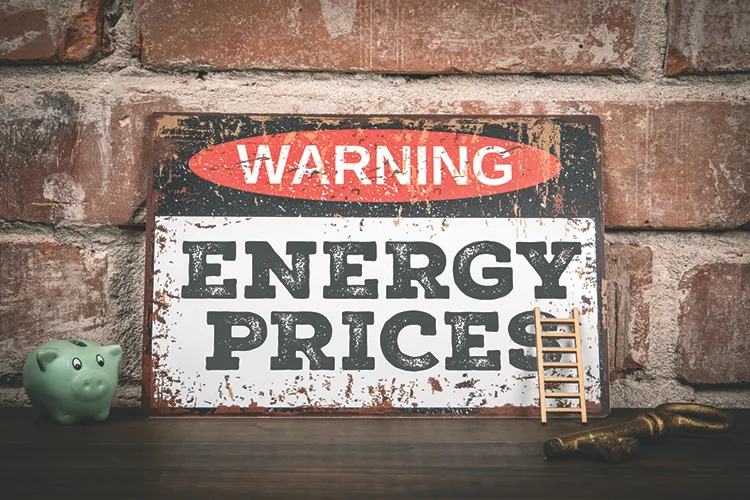
Fuel prices will remain elevated, as global petroleum inventories are too depleted for gas and diesel to decline substantially whenever exports resume in large quantities from the Persian Gulf region.
Additionally, refinery closures in California (Phillips 66 Wilmington and Valero Benicia), plus prohibitive regulations and permit requirements that deter investment in new grassroots refinery construction, will exacerbate fuel price reductions resulting from supply and demand pressure.
Gasoline pricing will range from $4/gallon if the war ends soon, to near $5/gallon should fighting continue in the coming months. Diesel is sure to stay elevated more than gasoline as a result of damage to Russian refineries; Russia has been a top diesel exporter.
As of this writing, WTI is at $76.45/barrel and Brent is at $81/barrel.
The Strait of Hormuz normally carries about a fifth of the world’s traded oil, much of which is heavy- and medium-grade crude that refineries favor for making diesel.
Should traffic through the waterway move toward normal, distillate margins should ease. However, if it is closed again, jet fuel and diesel will move higher.
Diesel has a profound effect on the economy, as it is used to haul freight by truck, rail and ship; powers tractors through planting and harvesting seasons; and fuels backup generators.
Energy infrastructure leads new project activity
Georgia Power has broken ground on new natural gas units, along with a battery storage facility, at Plant Bowen in Bartow County, Georgia, to help meet the state’s increasing demand for electricity. The additional capacity will add approximately 1,500 MW of gas generation and 500 MW of battery storage.
Georgia Power CEO Kim Greene stated that data centers, along with other large customers, are signing long-term contracts designed to shield residential clients from construction costs.
Meta and BlackRock plan to build and operate a $14 billion data center in El Paso, Texas. Meta will sign lease agreements with an initial four-year term, which will allow the social media company to operate the facility with 1 GW of computing capacity by 2028.
The initial source of power will be furnished from a 366 MW natural gas generation facility built by El Paso Electric.
A private team led by Canadian infrastructure investment firm Brookfield Corp. and power company NextEra Energy has been picked to invest more than $100 billion to build a 1.8-GW, high-performance computing innovation campus with power support infrastructure on up to 1,100 leased acres of the more than 3,600-acre site of a former massive federal uranium enrichment site in Paducah, Kentucky.
Construction is scheduled for completion by the end of 2031.
EVelution Energy is planning to construct a cobalt sulfate plant on a 105-acre site in Wellton, Arizona. This includes construction of building space, erection of structural steel, photovoltaic solar panels, transformers, and chemical and process water storage tanks. The plant will process cobalt hydroxide and cobalt intermediates to produce battery-grade cobalt sulfate. Early site preparation has been completed; construction is set to begin in early 2027.
Golden Triangle Polymers in Orange, Texas, is in a joint venture with Qatar Energy + Chevron Phillips Chemical with a total investment value of $8.5 billion to construct the world’s largest ethane cracker at 2.08M tons/year, plus two 1M tons/year HDPE units. Construction is slated to begin late 2026.
Supply constraints meet strong PVF demand
2026 is shaping up to be an extraordinarily strong year for PVF in North America, with an increase of 8.3% to approximately $45 billion, with the majority of demand coming from industrial construction, not only maintenance and replacement.
The Texas/Gulf Coast region is the epicenter of growth, with approximately 40% of growth concentrated in the region. The Midwest is seeing fabrication and food processing growth, and the Southeast is seeing chemical and power growth.
Driving the demand is:
The reshoring mega manufacturing of semiconductor fabrication, EV battery plants and chemical expansions.
LNG export terminals, natural gas processing and hydrogen/carbon capture projects.
Data center builds, power plant construction and upgrades, along with water/wastewater projects.
Demand for carbon steel piping products has reached levels not experienced in decades. As a result, manufacturers continue to extend lead times as production capacity struggles to keep pace with incoming orders. In several product categories, deliveries are now extending into 2027.
Offshore producers and suppliers of seamless carbon steel pipe continue extending delivery schedules into late 2027 and, in some cases, into 2028. Global supply chain disruptions remain a contributing factor.
Container availability remains inconsistent, while ocean freight costs continue to trend upward. These developments are contributing to firmer offshore PVF pricing and increasing concerns regarding product availability. Reports of shortages involving carbon steel fittings, flanges and other critical PVF components continue to emerge across multiple market sectors.
Domestic carbon steel flange pricing has increased since the previous issue, reflecting strong demand and rising manufacturing costs. Pricing for domestic carbon steel butt-welding fittings has remained relatively stable; however, market participants continue to anticipate additional increases should raw material costs, freight expenses or supply constraints intensify.
In today’s environment, proactive communication throughout the supply chain has become increasingly important. Maintaining close coordination among project owners, engineering firms, contractors, distributors, suppliers and manufacturers is essential for successfully managing procurement schedules and project timelines.
Early material planning, strategic purchasing decisions and realistic scheduling assumptions will remain critical to delivering projects on time and within budget.
Networking at the PVF Roundtable
Contractors, fabricators, engineering firms, pipeline operators, manufacturers and service providers are encouraged to partner with the PVF Roundtable to help attract and develop the next generation of industry professionals.
The PVFRT Charitable Foundation, a 501(c)(3) organization established by the PVF Roundtable, remains committed to supporting education and workforce development. Through scholarship programs focused on PVF-related trade education and technical training, it has awarded nearly $3 million in scholarships.
Funding for these programs is generated primarily through the PVF Roundtable’s annual Golf Tournament and annual TroutBlast, both of which continue to receive outstanding industry support.
The 2026 TroutBlast will be held October 8-9. It is completely sold out and has achieved record participation. Major sponsors include Ferguson Industrial, Actuation Plus and SLB, reflecting the industry’s continued commitment to education and workforce development.
The next PVF Roundtable networking meeting will be held October 13, beginning at 4:30 p.m., at Houston’s Bayou City Event Center. This venue provides additional space and convenience while accommodating continued growth in attendance.
The PVF Roundtable continues to serve as one of the industry’s premier forums for networking, education, workforce development and advocacy. As market conditions become increasingly complex, opportunities to exchange information, strengthen relationships and discuss industry trends become even more valuable.
In an era defined by rapid technological advancement, workforce challenges, supply chain uncertainty and evolving market dynamics, industry networking remains one of the most effective ways to stay informed and maintain a competitive advantage. The PVF Roundtable remains committed to fostering these relationships and supporting the continued growth and success of the PVF industry.