We use cookies to provide you with a better experience. By continuing to browse the site you are agreeing to our use of cookies in accordance with our Cookie Policy.
Despite these challenges, major construction and energy projects are moving forward, including significant pipeline, airport and data center developments.
Litigation is costly, risky, and often avoidable — by reading, understanding, and negotiating your contracts carefully, businesses can protect themselves, prevent disputes, and focus their resources on growth instead of the courtroom.
Ongoing tariff uncertainties and labor shortages continue to create challenges for the PVF sector, impacting pricing, supply chains and economic stability.
As the PVF industry navigates economic uncertainty, shifting oil dynamics, labor shortages, and evolving tariff policies, staying informed and connected through events like the PVF Roundtable’s upcoming Casino Night and Christmas Celebration is more vital than ever.
From tariff rulings to oil price disputes, labor shortages and construction updates, the industry navigates a complex landscape in the fourth quarter of 2025.
With economic uncertainty, shifting tariffs, labor shortages, and major infrastructure projects reshaping the landscape, the PVF industry enters Q4 2025 navigating volatility, opportunity, and the growing need for skilled talent and strategic collaboration.
The Trump administration’s tariff policies, plus the ongoing skilled labor shortage, continue to challenge the sector, impacting pricing, availability and construction activity.
As global tariffs shift and labor shortages persist, the PVF industry faces a turbulent third quarter in 2025. Get the latest insights on trade policy impacts, construction trends, energy developments, and how industry leaders are navigating uncertainty through innovation, collaboration, and education.
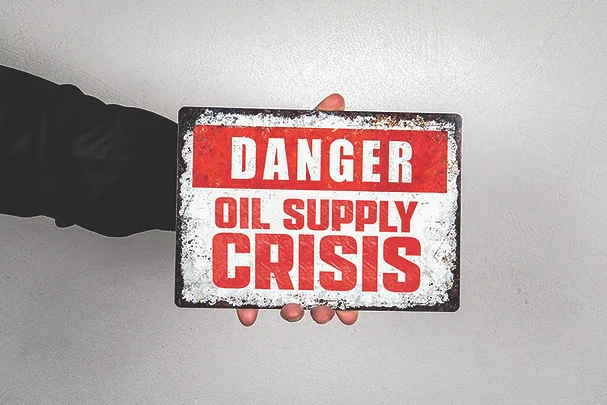
Global oil prices fall amid a fragile Iran-Israel ceasefire, OPEC+ production hikes, and tariff uncertainty—while U.S. construction and PVF sectors grapple with labor shortages, rising costs, and complex supply chain disruptions.
By leveraging advanced technologies and comprehensive business transformation, forward-thinking distributors can thrive in an increasingly complex market environment.
July 15, 2025
Due to the challenges faced by distributors resulting from inflation, geopolitical disruptions and uncertain tariffs, traditional reactive pricing strategies are no longer sustainable.
As a 90-day U.S.–China tariff truce takes effect, a hydronic pro unpacks the real-world chaos it creates for pricing, planning, and staying afloat in a volatile market.
With tariffs back in the spotlight, one industry veteran breaks down their purpose, power, and peril—arguing that trade policy is now a matter of national survival, not just economic strategy.