A controversial proposal to overhaul plumber licensing in Louisiana has been significantly revised, preserving the state’s plumbing board while still dramatically shortening the training timeline required for licensure. House Bill 953, sponsored by Rep. Bryan Fontenot, (R-Thibodaux), originally sought to eliminate the Louisiana State Plumbing Board entirely and transfer its authority to the state’s contractor licensing board.
However, after pushback from plumbers and industry groups, lawmakers on the Senate Committee on Commerce amended the legislation to keep the board intact while restructuring some of its membership.
Under the revised bill, the plumbing board would remain independent, but would add two general contractor representatives nominated by construction industry groups. The measure would also remove the board seat currently designated for a residential plumber, increasing total membership from 11 to 12.
Despite those governance changes, however, the bill’s most contentious provisions — sharply reducing training requirements for plumbers — remain in place. Current Louisiana licensing standards require three and a half years of on-the-job training to become a journeyman plumber and additional years to become a master plumber. Fontenot’s proposal would cut the journeyman requirement to one year and reduce master plumber training to 18 months.
Supporters, particularly builders and general contractors, argue the changes are necessary to address a growing shortage of plumbers that is delaying construction projects across the state.
The bill has passed the Louisiana Senate and now heads to the House for final passage.
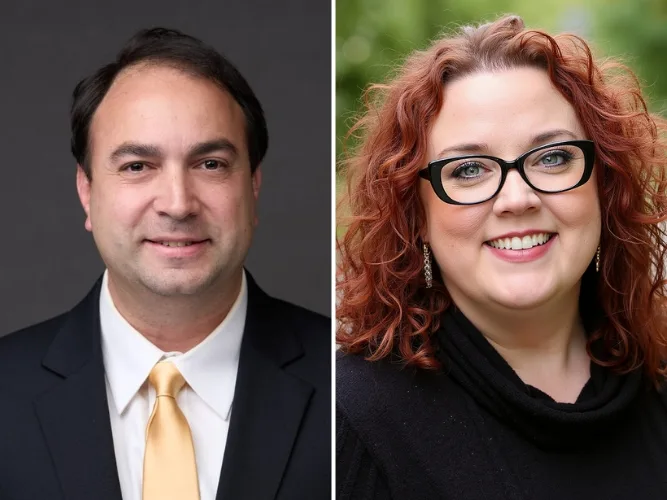
The plumbing industry warns the proposal could undermine public health and safety by allowing inadequately trained workers into the trade. From the industry’s perspective, the labor shortage is not caused by regulation and argue that extensive training is essential for professional competency To find out more, we talked to Plumbing-Heating-Cooling Contractors of Louisiana President Trey Giglio and Executive Director Crystal Carter.
Giglio is the vice-president of Universal Mechanical and Universal Plumbing Co, Shreveport. He holds master licenses in plumbing, mechanical, electrical, general construction, and municipal and public works construction along with numerous specialty certifications. The firm serves residential and commercial clients in north Louisiana and east Texas.
Carter is an association executive with more than 18 years of experience supporting mission-driven trade and professional organizations. She has worked with PHCCLA since 2014 and was appointed executive director in 2021, and leads efforts in member engagement, education, workforce development, legislative advocacy and organizational growth.
PHCPPros: Louisiana lawmakers argue the state faces a serious plumber shortage that is slowing construction projects. From your perspective, is the shortage primarily a licensing problem, a workforce recruitment problem, or something else entirely?
Giglio: PHCCLA recognizes that the shortage of workforce is a legitimate concern, but it is not regulatory problem. It is a workforce recruitment and retention problem. PHCCLA continues to work on changing the perception of the trade – we believe that is the largest challenge in recruiting workforce. Louisiana needs more people entering the plumbing profession, but reducing standards does not attract prospects or create skilled plumbers. Plumbing is a highly technical trade tied directly to public health, sanitation, drinking water safety, gas systems, medical gas systems, and critical infrastructure.
PHCPPros: The legislation would dramatically reduce required training hours for journeyman and master plumbers. What specific competencies or field experience could be lost if those timelines are shortened so aggressively?
Giglio: Plumbing competency is built through repetition, exposure to different jobsite conditions, and supervision by experienced license holders. When the required training timeline is shortened too aggressively, the concern is that individuals may not have enough field experience to safely handle the full range of systems and situations they will encounter, particularly recognizing when work may create a hidden hazard. An exam will test knowledge, but field experience teaches judgment. Plumbing mistakes may not be immediately visible, but they can create serious risks over time — including contamination, sewer gas exposure, structural damage, gas leaks, or unsafe water systems. The current experience requirements have been designed to ensure a plumber has worked through enough real-world situations before being licensed to perform or supervise work independently. Apprenticeship and training providers will have to structure the requirements of the programs to best position an apprentice to have field experiences.
PHCPPros: Supporters of the bill say Louisiana’s current requirements are “excessive” compared to other trades. How do you respond to the argument that plumbing regulations have become unnecessarily restrictive?
Carter: We do not agree that plumbing requirements are restrictive or excessive. Their structure is based on the risk of the work being performed. Plumbing is not just construction. It is a public health profession. Plumbers protect drinking water, sanitation systems, hospitals, schools, homes, businesses, and public infrastructure. The systems plumbers install and repair directly affect the health and safety of the public. PHCCLA is open to modernization and pro-business reforms, proven through our involvement in the legislative and regulatory changes over the last few years to improve the trade in the state. But modernization should not mean eliminating essential training, weakening individual licensure, or removing accountability.
PHCPPros: One of the more controversial provisions initially would have allowed journeyman plumbers to operate independently without master plumber oversight. Why was that provision viewed as such a major concern within the industry?
Giglio: That provision raised major concerns because a journeyman license and a master plumber license are not intended to represent the same level of responsibility. This is the exact scenario that PHCCLA helped to eliminate with previous legislation. A journeyman plumber is a skilled tradesperson qualified to perform plumbing work. A master plumber carries broader responsibility — including supervision, code compliance, business accountability, permitting, insurance, and responsibility for the work performed by the company. The concern is not about the skill of journeymen, but rather the accountability and compliance with law and code.
PHCPPros: The revised legislation ultimately preserved the Louisiana State Plumbing Board instead of folding it into the contractors board. Why was maintaining an independent plumbing board so important to the profession?
Carter: Maintaining an independent State Plumbing Board was important because plumbing is a specialized profession with direct public health implications. The board has the subject-matter expertise to regulate licensing, training, enforcement, and code-related issues specific to plumbing. A broader contractors board may have important experience in construction generally, but plumbing requires specialized knowledge, understanding the levels of licensure, supervision requirements, public health risks, and technical aspects of plumbing work. An independent board helps ensure that plumbing is regulated by people who understand the trade and the consequences of unsafe or unqualified work. In particular, with reduced standards, the plumbing board will be best positioned to monitor the quality of plumber receiving their license.
PHCPPros: Some general contractors and builders say lengthy apprenticeship requirements are contributing to higher construction costs and project delays. How do plumbing professionals balance the economic pressure for faster licensing with the need for competency and safety?
Giglio: We understand the economic pressure. Contractors are facing real workforce challenges, and delays affect everyone. But the solution cannot be to put undertrained workers into systems that protect water quality, sanitation, fuel gas safety, and public health. The plumbing industry believes the better balance is to make the pathway into the profession more accessible without reducing the competency required at the end of that pathway. This includes the programs within the technical college systems and the re-entry programs, as well as partnerships with high schools. Safety and competency matter more than a pre-mature influx of workforce. A plumbing system that is installed incorrectly creates risks that go well beyond construction delays.
PHCPPros: Representative Bryan Fontenot suggested the bill could nearly double the number of master plumbers in Louisiana. Do you believe rapidly increasing the number of licensed plumbers would strengthen the industry, or could it dilute the value and credibility of the license itself?
Giglio: The industry needs more licensed plumbers, but the number of licenses alone is not the measure of a competent, experienced, and accountable workforce. Rapidly increasing the number of license holders by lowering the qualifications could dilute the value of the license and weaken consumer confidence. A plumbing license should mean something. It should tell a homeowner, business owner, school, or hospital that the person performing or supervising the work has met a meaningful standard. We want to grow the number of qualified plumbers. We do not want to simply increase the number of people holding a credential that no longer reflects the same level of training and field experience.
PHCPPros: If lawmakers truly want to solve the labor shortage, what policy changes would the plumbing industry itself recommend instead of reducing training requirements?
Carter: We would encourage lawmakers to focus on workforce development rather than license dilution. That includes expanding apprenticeship opportunities, supporting employer-based training, investing in career and technical education, strengthening partnerships with high schools and community colleges, and promoting plumbing as a strong, respected career path. Incentives for hiring apprentices, grants for training programs, support for continuing education, and better public awareness of plumbing careers would all help. We are not saying improvements aren’t needed. We are saying the solution should bring more people into the profession the right way. Louisiana can grow its plumbing workforce while maintaining strong standards for public safety.
PHCPPros: How concerned are you that other states could look at Louisiana’s legislation as a model for weakening licensing standards nationwide?
Carter: We are very concerned. Licensing standards in skilled trades are often watched across state lines. If one state dramatically weakens plumbing requirements, it can create pressure elsewhere to do the same. That is especially concerning because plumbing licensure is tied to public health, workforce mobility, and reciprocity with other states. If our standards are weakened too much, it could affect the credibility of Louisiana license holders and complicate reciprocity. The broader concern is that workforce shortages are real across the country, but lowering standards is a short-term political answer to a long-term workforce problem. The better model would be for Louisiana to lead on recruitment, training, apprenticeship, and career development — not on reducing the safeguards that protect the public.
EDITOR’S NOTE: The PHCCLA created an advocacy micro-site, which contains a number of key resources, as well as some of the public facing documents on Bill 953. For more information, click on: https://tinyurl.com/tz7atu53