We use cookies to provide you with a better experience. By continuing to browse the site you are agreeing to our use of cookies in accordance with our Cookie Policy.
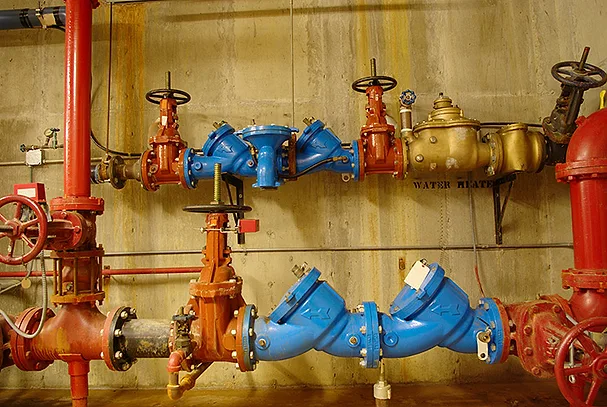
Adding a new backflow preventer to an older system may negatively impact fire protection system performance. Here are some best practices to ensure existing sprinkler systems operate as intended when adding backflow preventers.
Some existing systems were never hydraulically calculated. Some were designed around pipe schedules. Some have little or no remaining safety margin. Add a backflow preventer without understanding the available water supply, system demand and device pressure loss, and a system that once appeared adequate may fail to deliver.
As data center construction rapidly expands, project teams must carefully weigh the critical tradeoffs between protection, cost, and operational impact to choose the right fire protection strategy.
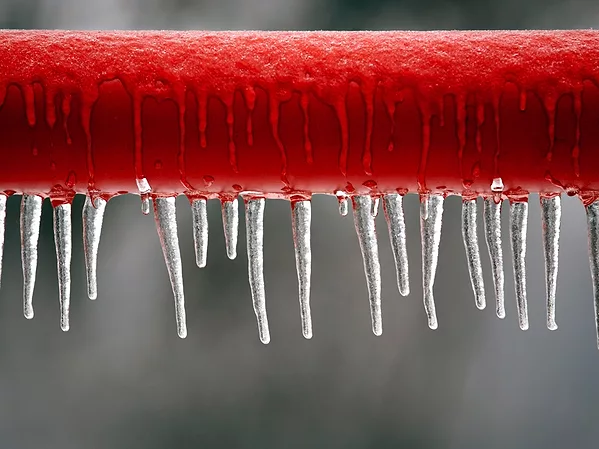
The NFPA’s 13, 13D and 13R standards spell out when fire sprinkler systems should include freeze protection. Read on to discover sources to determine an area’s minimum temperature and whether freeze protection is warranted.
Many plumbing and fire protection professionals are familiar with the basic fire pump design standards and requirements stated in NFPA 20, Standard for the Installation of Stationary Pumps for Fire Protection.
No matter the building status, ITM is absolutely essential to ensure sprinkler systems are healthy and functional at all times. However, when buildings are vacant and a pandemic restricts travel, creative ideas must be considered.
The commissioning and integrated testing of a building’s fire protection and life safety systems benefit the building owner and its occupants by validating the intended system design, installation, performance and operation.