We use cookies to provide you with a better experience. By continuing to browse the site you are agreeing to our use of cookies in accordance with our Cookie Policy.
Engineering a new habitat for the Smithsonian National Zoo’s Bird House
with efficient water systems and an innovative HVAC design.
The Smithsonian Institution’s Bird House at the National Zoo and Conservation Biology Institute underwent a six-year, $69 million project to upgrade the space with efficient water systems and an innovative HVAC design. More than 170 individual birds representing 70-plus species are on view.
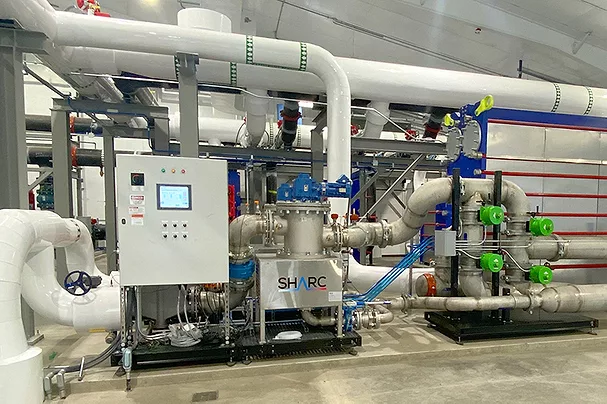
BF Nagy recalls some of the energy technologies that have grown over the last year, including three projects using wastewater energy recovery to heat buildings.
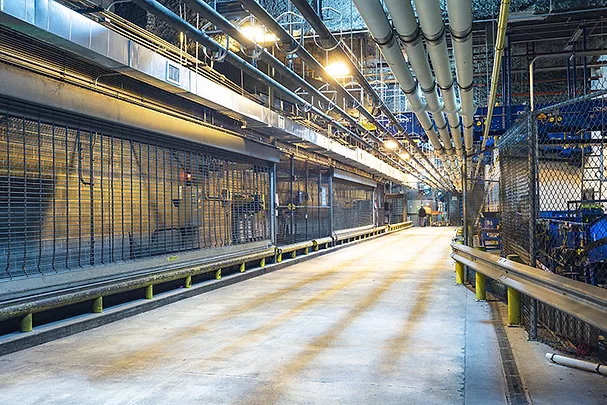
The project will provide high-performance heating and cooling to the 400,000-square-foot Jerry E. Abramson terminal building.
As a part of its $400 million SDF Next Program, the Louisville Muhammad Ali International Airport is installing a high-performance heating and cooling system to conserve energy and reduce its carbon footprint. The program is targeting a 45 percent overall energy reduction.
Tax incentives and rebates can bring down the initial cost, and the technology reduces greenhouse emissions.
More homeowners are considering heat pump water heaters to lower energy costs and reduce greenhouse emissions. Read on to see how this Massachusetts home renovation used the technology to deliver consistent hot water while offering long-term savings on energy bills.
As online sales grow and the reshoring of U.S. semiconductor production continues, this market could be a key opportunity for future clean energy systems.
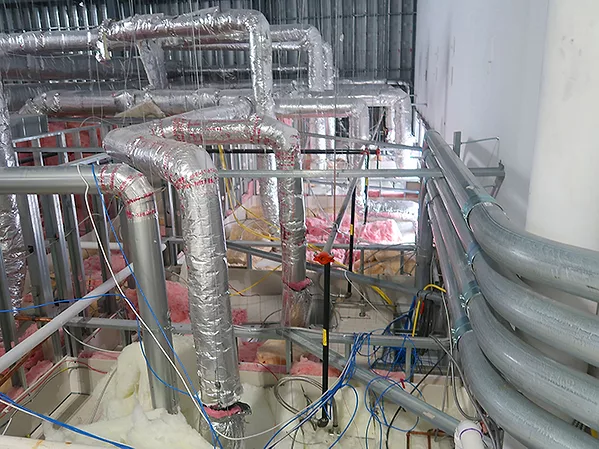
A geo-exchange system either extracts energy from the ground for heating or pumps it back into the ground for cooling. Energy companies and large construction firms can use this technology to help decarbonize our buildings and remain profitable. BF Nagy describes a few such North American projects in this month’s column.
Engineering firm uses tankless water heating to help developer achieve eco-friendly objectives.
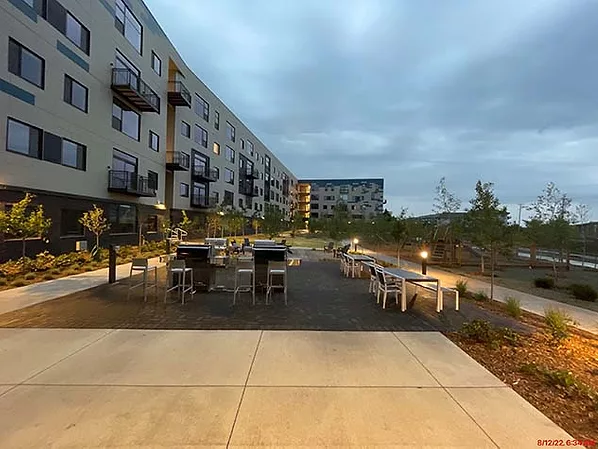
When a developer locked in the service providers to design and build Via Sol, a new 217-unit sustainable apartment community in the Minneapolis suburb of St. Louis Park, Minnesota, he took collaboration to a new level.
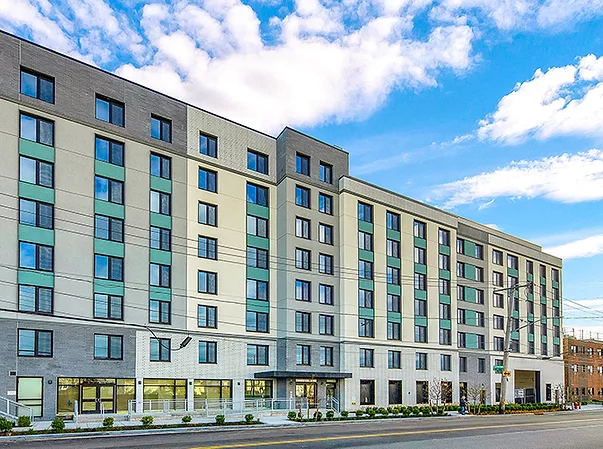
Builders in New York City are taking the lessons from Hurricane Sandy to construct more resilient buildings, including the Beach Green Dunes II project in Queens. NYC also is taking a hard line on building retrofits to ensure low emissions, making heat pumps more appealing.
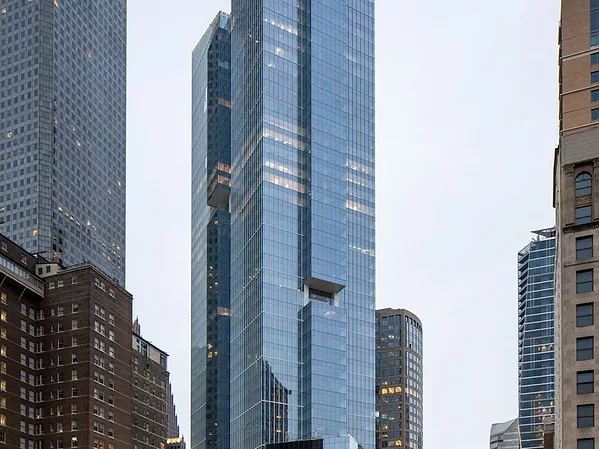
The 48-story office building in hurricane-prone Houston required a unique water drainage system design supporting the owner’s sustainability goals.
As storms blow through low-lying Houston, large amounts of stormwater can turn into massive flooding events. City building codes have strict plumbing regulations for high-rises. Read on to discover how an engineering firm and its partners designed a stormwater drainage system while still supporting the owner’s sustainability goals.
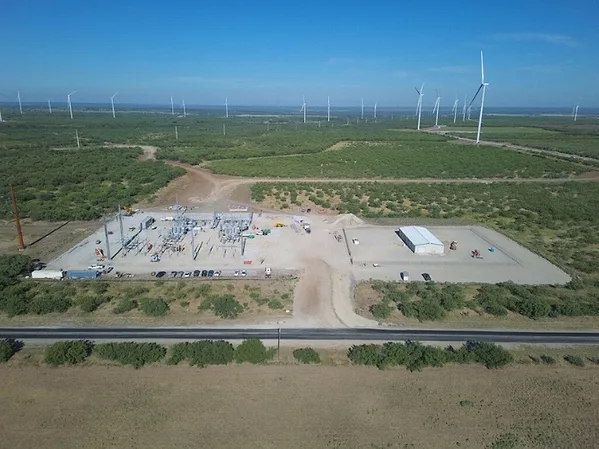
As energy-efficient technologies such as heat pumps, rooftop solar and home batteries, and electric vehicle sales are increasing, it seems that more U.S. consumers are supporting decarbonization initiatives.
 RSS
RSS