We use cookies to provide you with a better experience. By continuing to browse the site you are agreeing to our use of cookies in accordance with our Cookie Policy.
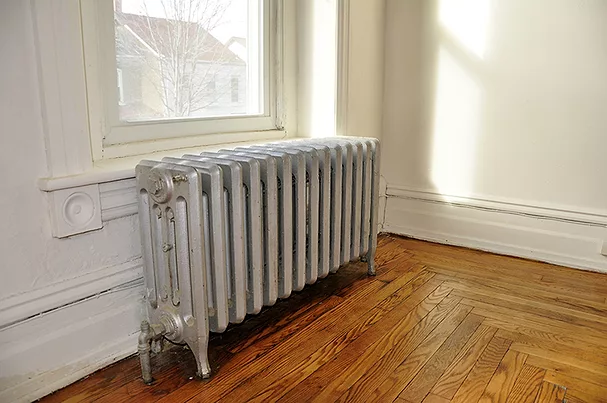
A smaller-sized boiler and proper insulation help solve the original issue while enhancing overall energy efficiency.
Discover how solving steam pipe banging in a historic NYC apartment building required more than system tweaks—highlighting the need for right-sized boilers, proper piping, and a holistic energy-efficient retrofit.
The acquisition expands
IMEG’s footprint into Arkansas and Oklahoma, reinforcing its commitment to
strategic growth and client-focused solutions across the Southern U.S.
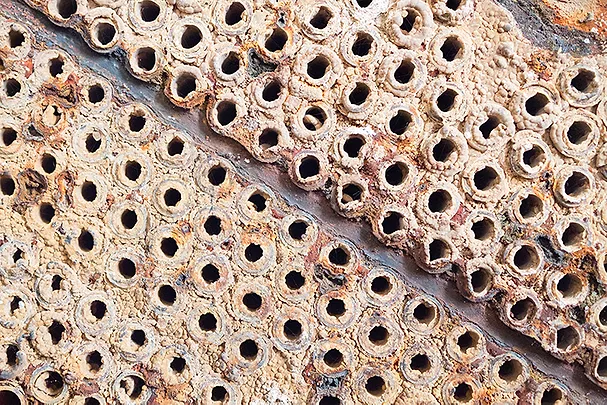
Ensuring water quality and proper cleaning during installation is critical to the success of high-efficiency boiler and water heater systems. Poor piping cleanliness and untreated hard water can rapidly degrade heat exchangers and system performance—while upfront planning, system flushing, and appropriate water treatment help protect your investment and extend equipment life.
Leverage your client’s operational insights to provide most of what you need.
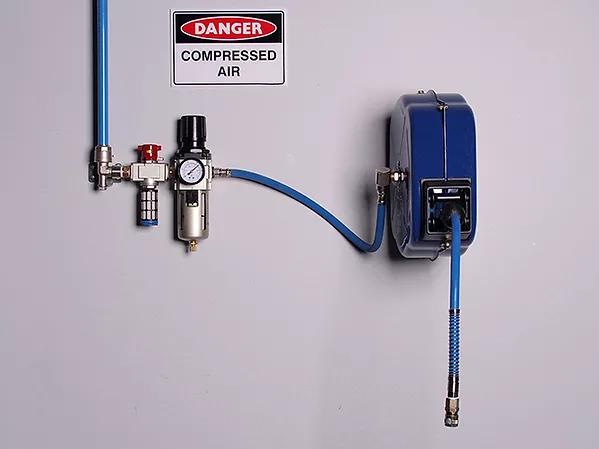
Compressed air systems can range from simple garage setups to highly sophisticated laboratory networks, and designing them successfully—especially at scale—requires a structured approach that blends technical expertise, careful planning, and close collaboration with the client to ensure performance, flexibility, and long-term reliability.
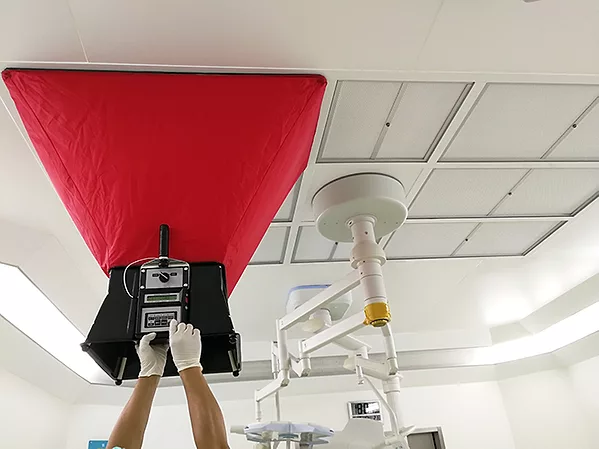
Using an integrated approach focusing on indoor and outdoor air, mechanical engineers and architects can create comfortable, safe and healthy spaces.
From burnt popcorn to airborne pathogens, HVAC expert Mike P. Krueger, PE, explores how smarter design and engineering can transform indoor air quality—and why it’s everyone’s responsibility to breathe easier.
As Omega Flex, Inc. celebrates its 50th anniversary this year, Moran reflects on the flexible metal hose and piping products, manufacturer’s values, culture and mission.
Omega Flex marks its 50th anniversary with a legacy built on innovation, safety, and U.S.-manufactured flexible piping systems. Under President Ed Moran’s leadership, the company continues to expand globally, enhance core products like CounterStrike and DoubleTrac, and invest in new technologies while maintaining a strong focus on training, customer support, and industry education.
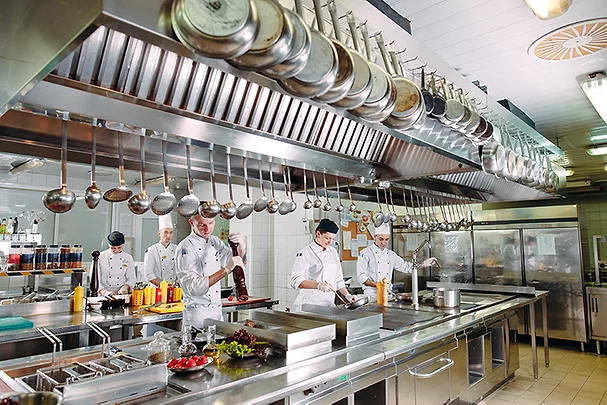
Commercial kitchens can dramatically complicate otherwise simple plumbing designs, making early coordination, thorough code research, and close collaboration with kitchen consultants essential for a compliant, efficient, and conflict-free system.
Proper inspection, testing and maintenance of these critical components are essential to ensure system reliability, compliance and protection against single-point failures.
Discover why backflow preventers (BFPAs) are critical yet often overlooked components of fire protection systems—and how proper inspection, testing, and maintenance ensure both code compliance and reliable system performance.
Unexpected conditions below the surface can lead to major disputes. A recent case between Skanska Civil USA and the U.S. Navy reveals the high stakes of differing site conditions and the importance of thorough pre-bid review and due diligence.
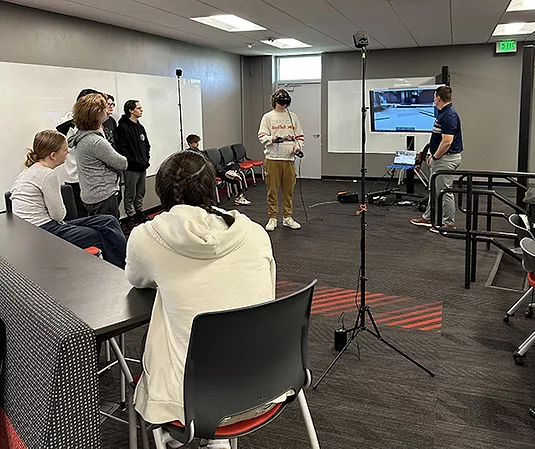
When two plumbing engineers visited a high school to share their career journeys and hands-on experiences, they not only inspired future engineers but also rediscovered their own passion for the work they do every day.
 RSS
RSS