We use cookies to provide you with a better experience. By continuing to browse the site you are agreeing to our use of cookies in accordance with our Cookie Policy.
Gain insight into how OSHPD (now HCAI) regulations shape resilient plumbing designs for California healthcare facilities to ensure they remain self-reliant and operational during seismic events.
While heat pumps have been used for years in HVAC applications, the transition to plumbing systems hasn’t been smooth. Industry professionals should educate themselves on how these energy-efficient systems can help their clients’ plumbing challenges.
Part 2 of this series focuses on matching heat pumps with piping systems for hot water storage to increase efficiency and reduce greenhouse gas emissions.
Once a designer has selected the best heat source for the heat pump, the next step is determining whether to use a multipass or single-pass heat pump. In Part 2 of this series, you’ll also learn how to size hot water storage for energy efficiency and greenhouse gas reductions.
Heat pumps are the solution for building owners to increase energy efficiency while reducing greenhouse gas emissions and the cost of utilities. Read on to find out how this affects plumbing system design.
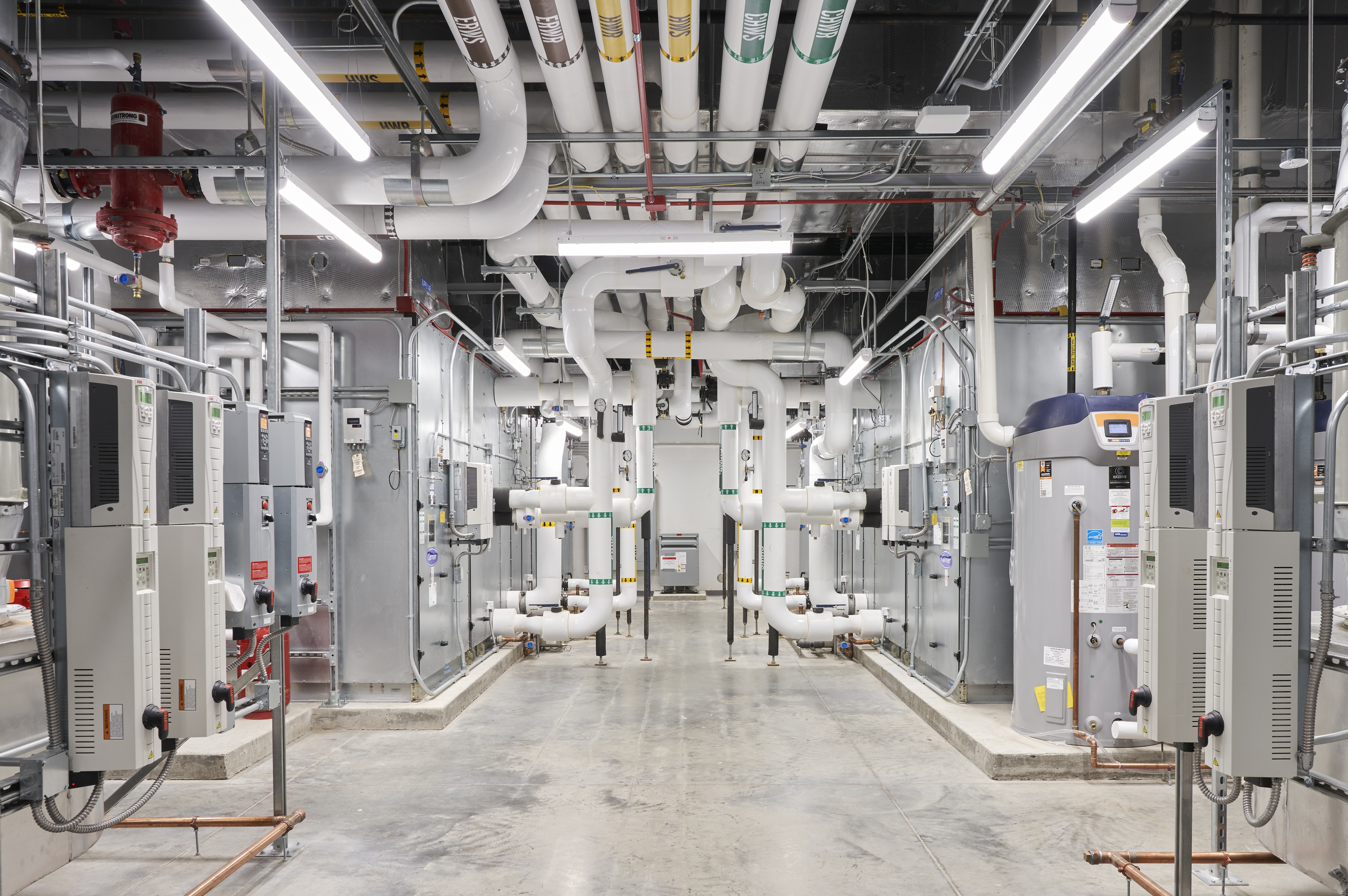
Engineers must balance building program elements with MEP systems when designing a mechanical room. Planning and early communication with the architect are crucial for project success.
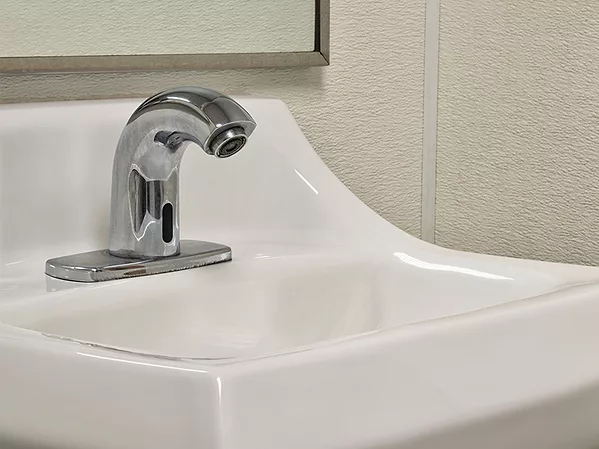
Hands-free automatic plumbing fixtures not only improve restroom aesthetics, but also create a safer, more sanitary environment. This is highlighted by the surge in the use of these fixtures during the COVID-19 pandemic.
American Rescue Plan funding facilitates many improvements in school restrooms to reduce the spread of illness. The Healthy Schools, Healthy People initiative cites comprehensive data proving that proper hand hygiene is key to good health for the whole school community.
Features available in today’s sensor-operated devices were unavailable just a few years ago. They can offer key advantages in infection-control initiatives that are unavailable with manual devices.