Did you know? The Anxiety & Depression Association of America (ADAA) reports that more than 8 million Americans have post-traumatic stress disorder (PTSD), which results from exposure to a traumatic event that causes long-lasting mental and physical health problems.
PTSD is often associated with military veterans, but it can happen to anyone after any type of traumatic experience — from car accidents, natural disasters, abuse, and medical problems to the death of a loved one or witnessing a violent event. “Post-traumatic” means that long after the directly experienced trauma, you experience a heightened response that never allows the nervous system to return to a state of balance and calm. You may experience PTSD as flashbacks, nightmares, mood swings, panic attacks, depression or insomnia. For most people, this has a profound impact on how they live their daily life, often resulting in social isolation, chronic pain, substance abuse or emotional upset.
Due to their unpredictable nature, jobsites may easily create triggers for tradespeople living with PTSD. Constant, loud noises from all directions — your co-worker yelling or dropping an object, a pipe bursting, and tools like saws and impact drivers whirring away — are enough to overwhelm anybody, let alone those with PTSD. Plus, having to always be hyperaware of your surroundings to ensure the safety of yourself and others can make this environment extremely difficult to work in.
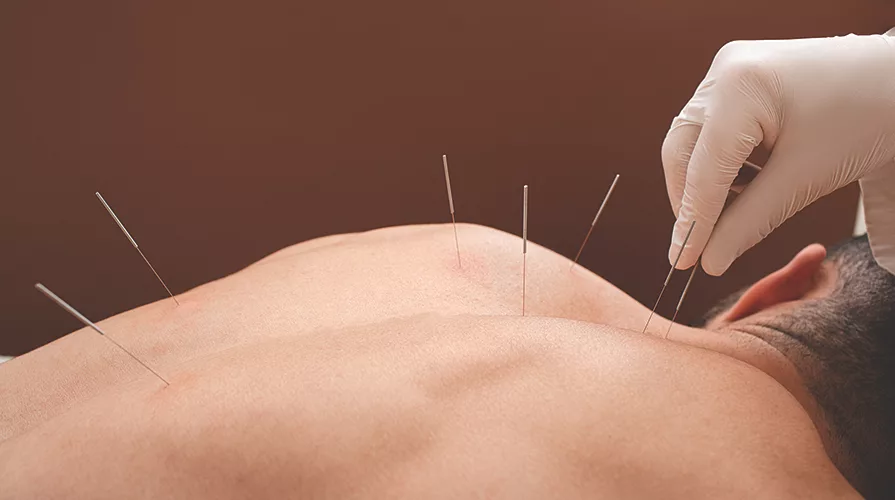
Acupuncture, a form of Traditional Chinese Medicine (TCM), can be a highly effective tool for tradespeople to include in their wellness treatment plan for PTSD and its effects on their emotions and health. In both Western medicine and TCM, PTSD is attributed to an overactive nervous system. In TCM, emotional and mental symptoms are directly related to physical problems caused by imbalances in the functioning of our body’s systems. Acupuncture focuses on treating the trauma and negative emotions that are creating these imbalances.
The Physical Effects of PTSD
Physical symptoms are the body’s nervous system response to chronic stressors, a real-life occurrence of the fight-or-flight response. You become hypervigilant, and your body shuts down any processes that are not critical to survival. Physical symptoms associated with PTSD and an overactive nervous system include increased heart rate and heart palpitations; insomnia or difficulty sleeping; muscle tightness and tension; and fatigue.
Acupuncture sessions free trauma by releasing the affected organs and decreasing the symptoms occurring in your physical body. The combined physical, psychological and spiritual trauma of PTSD means focused efforts will be needed from both the practitioner and the patient to achieve results. The patient will most benefit if they feel a connection of trust and a desire to work on familiar and ingrained aspects of their life. The practitioner should have a willingness to listen with an unhurried approach to treatment.
When the patient-practitioner relationship begins, acupuncture is first applied to achieve relaxation. The overworked adrenals will finally get a break from endorphin dumps when the needle is inserted into points that shut down the pumping of this chemical (which has kept you in an overstimulated state).
Relaxation allows your body to regain some balance so that treatment of major complaints can begin. Some people living with trauma have back pain due to overtaxed kidneys, while some have chest tightness, congestion and feel like they can’t breathe. Others are suffering from headaches or nightmares. Determining the main physical issue will suggest what organ system we should focus on for treatment. For example, in treating stress-related digestive issues through points governing the stomach, memory and focus will also be improved since blood flow to the kidneys is increased, and the weakness from the digestive distress will no longer tax the adrenals.
In all acupuncture sessions we are treating multiple facets of the body simultaneously — some complaints may seem unrelated, but relief will be found across several issues.
Once the nervous system is calmed the adrenals stop firing, the gut settles, and the body starts to heal. Patients are often amazed to see some immediate results. As follow-up appointments continue, triggering memories may resurface, and a relapse into previous coping behaviors may occur. This is not a setback, but merely a step in the healing process.
Think of when you move. You must pack, clean everything, and throw away unwanted items. During that process you will likely find possessions that you haven’t seen in a while — old photos, a childhood toy, or an item of clothing long forgotten. However you feel about these unexpected and memory-evoking finds, you don’t stop the moving process. The same thing happens when you are healing: as acupuncture releases and relaxes, physical and mental changes will take place. With continued treatment and better sleep, decreased anxiety, and improved digestion, your outlook will grow more positive.
If the traumatic event happened in childhood and the patient has lived with intense emotions for many years, the body will take longer to relax and balance. There is no set timeline for treatment of any ailment in acupuncture, but generally, the longer the illness has been present, the longer the treatment time.
Other TCM Treatment Options for PTSD
Secondary pain exacerbates the primary stressors of PTSD. Along with acupuncture, there are several options used for pain relief. All treatments are discussed during an initial appointment.
Most patients I treat living with PTSD have pain with extreme tightness in the neck and shoulders. Cupping will soften or loosen the shoulders, back, and neck. Regular massage treatments can also relieve pain, as well as relax and calm the mind and body.
PTSD is not a new phenomenon, although in contemporary society the occurrence of this debilitating illness may be increasing. The practices of acupuncture, cupping, and massage can relieve the physical and emotional effects of long-term trauma. Those interested can screen yourself or a family member for PTSD with an online tool on www.adaa.org.
Dr. Andrea V. Danti, L.Ac., has been helping people live healthier lives for more than 20 years. She has a master’s degree from the Colorado School of Traditional Chinese Medicine (CSTCM), where she studied acupuncture, herbal medicine, bodywork, and Qigong. Today, her wellness clinic, Acupuncture by Andrea, is dedicated to healing through Traditional Chinese Medicine practices. Learn more at www.acupuncturejacksonville.net.