We use cookies to provide you with a better experience. By continuing to browse the site you are agreeing to our use of cookies in accordance with our Cookie Policy.
Proper hydraulic separation is essential for modern, high-efficiency hydronic systems, but achieving peak performance depends on mastering flow-based sizing and avoiding common piping pitfalls.
Learn why “12 psi” isn’t a one-size-fits-all rule as this deep dive into hydronic heating pressures shows how system height, air control, and proper fill settings can make or break performance, efficiency, and reliability.
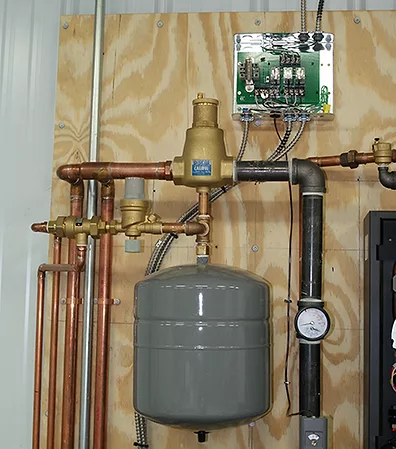
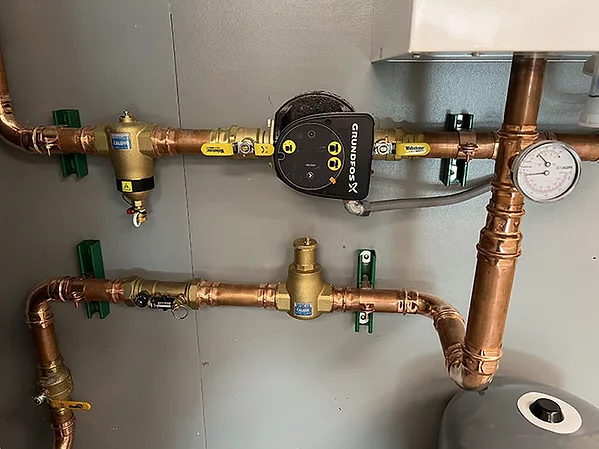
Caleffi’s Cody Mack provides some installation tips dealing with hydronic system pressure, using an expansion tank, helping air separators work and in-floor radiant heat.
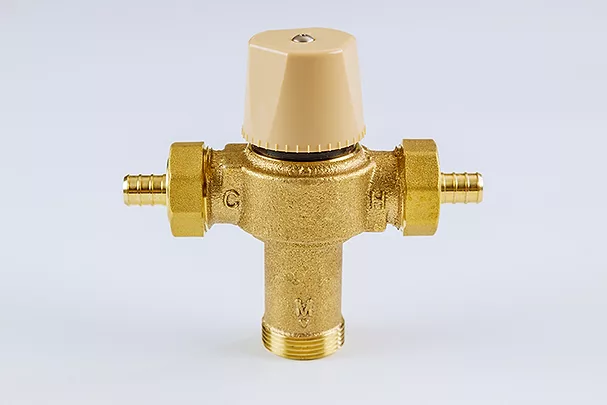
Caleffi’s Cody Mack receives many calls about recirc creep. In this column, he emphasizes the importance of proper piping, balancing and selecting appropriate mixing valves to prevent it and maintain water temperature control.
Cody Mack provides information on the importance of three-way mixing valves, where you need them, how to size them, and the role of recirculation systems in maintaining stable temperatures in hydronic systems.
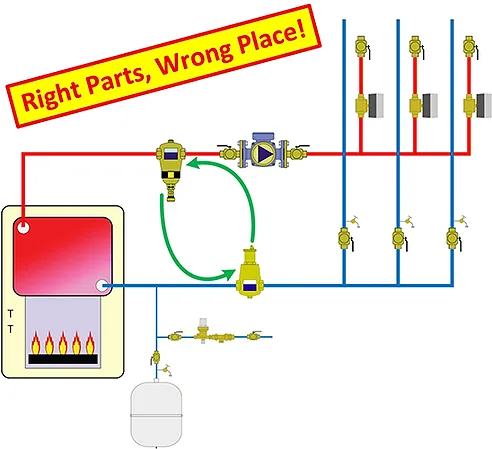
As hydronic designers and technicians, our priorities are increasing customer comfort and system efficiency — and air elimination should be at the top of our lists. If we implement best practices, our customers will have trouble-free and efficient hydronic systems.