We continue to shine the spotlight on our Next Generation of Innovators, a spotlight series on forward-thinking leaders shaping the future of our industry. We’ve brought readers stories on individuals driving change, taking risks, and rising through the ranks with determination, focus, and drive. These individuals honor tradition while trailblazing their companies forward. They represent the boldness needed to drive our industry forward.
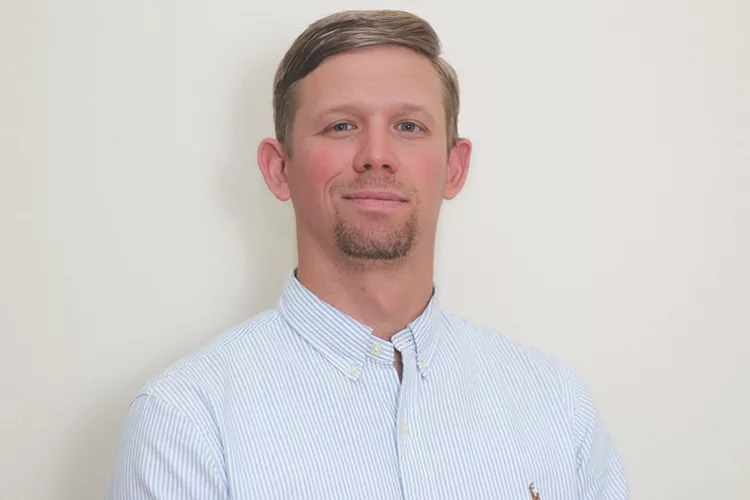
To better understand how this new wave of leadership is moving the needle, we connected with Rich Patterson, plumbing division manager at Aquaflow Pump & Supply Company, to hear his rise within the industry, and the drive that keeps him raising the bar.
The Wholesaler Magazine: Rich, tell us about your current role and responsibilities, and how your career began in the industry?
Rich Patterson: My current role is plumbing division manager of Aquaflow. My responsibility is to grow the plumbing vertical of our company by maintaining and expanding our customer base, developing product lines and inventory, strengthening relationships with our vendors, and increasing employee knowledge of our plumbing offerings. My career began with Aquaflow more than 10 years ago when I was offered a position as a warehouse associate and took the opportunity to learn everything I could from the great role models I was fortunate to work alongside. I worked hard to learn merchandise, warehouse operations, product delivery, counter sales, and customer sales. After years of learning, I moved to inside and outside sales, then to branch manager, and eventually to where I am today as plumbing division manager.
TW: How are you blending traditional practices with new ideas to move the channel forward?
RP: Blending traditional practices with new ideas requires utilizing proven techniques for dependability while embracing new ideas to maintain competitiveness in the wholesale business. Everyone wants to be one step ahead of the competition, but you must remember what got you to where you are. Traditional practices like in-person meetings and counter sales help build the customer relationship and get you close in making the sale. Embracing new technologies like CRM systems ensures you secure the sale and organize your sales data so you can follow up and continue growing the customer relationship. Also, the evolution of customer portals over the past five years has been incredible. This simplifies the way I place orders for customers and allows me to work anytime and anywhere to purchase what we need.
TW: In what ways are you innovating to improve efficiency, customer engagement, or overall company performance?
RP: The biggest component is constantly collecting feedback from our customers. I pride myself in speaking with our customers regularly to get a pulse check on how business is going, where we can improve and how we can benefit them even more. We have strong relationships with our customers, and they will be honest in how we can improve in certain areas. I collect and study the feedback and assess how we can elevate ourselves. It could be coming up with a new delivery strategy to help them receive products on a more regulatory basis. It could also be dedicating a weekly stand-in meeting to review projects they have on the horizon and how we can get them the best product at the best cost. Most customers welcome change and appreciate innovation to better serve them.
TW: What values or lessons from previous generations in this business continue to guide you? How have you adapted them for today’s market?
RP: I was taught early on that we’re in a “relationship business.” In today’s world, it’s easy to shoot off a quick email or a text to a customer to try to get a sale. However, that doesn’t always pay off in the long run and doesn’t create long-lasting or meaningful business relationships. Seeing customers in person fosters trust, gives you a better understanding of their business needs, and allows for free-flowing conversation. This often results in discussing their current business climate and potential future projects you can help with while creating a more personal connection. Even as technology advances, this is one aspect of our business that won’t change. I keep this at the forefront of how I maintain my relationships while also capitalizing on modern technology and the efficiency it brings.
TW: Innovation often meets resistance. Can you share a challenge you’ve faced when implementing change—and how you navigated it?
RP: One challenge I faced recently was working with a customer whose project was facing cancellation due to rising product costs and the potential to be vastly over budget. The customer was adamant that the project could not continue at the current budget while meeting the project specs. I knew there was a way to get costs down without sacrificing the quality of products he wanted. I urged the customer to allow me the opportunity to innovate something that could work to keep the project going. I thought to value-engineer the project by substituting products that meet the same specs at a lower cost. By completing this, the project ultimately came in under budget, with extreme customer satisfaction, and was completed on time.
TW: What advice would you offer to other rising leaders looking to make an impact in this space?
RP: Take risks — don’t be afraid to take risks that can pay off for your customers and your company. Also, build a strong network of peers and listen to those who have been doing this for years before you. Continue to learn. Furthermore, keep up with the industry — it’s ever-changing. You want to keep up with trends and be the person in the room who knows what’s the latest and how to leverage it for your customers. Use trade publications, LinkedIn, trade shows, and industry newsletters to learn about what’s on the horizon. Also, talk to your customers about what they’re seeing at job sites and what’s gaining popularity with their customer base. Collect knowledge from every avenue you can.