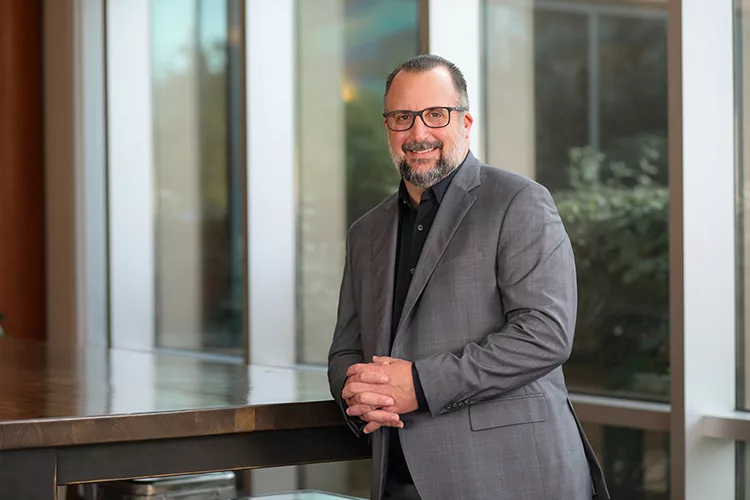
When Karl Caouette started college, he didn’t envision a career in plumbing design and specifying; he set his sights on architecture. However, his first job at a mechanical engineering firm steered him in a different direction — one that would ultimately define his professional path.
“It was just by fate,” says Caouette, who, at that time, wanted to harness his skills drawing plans for residential remodels, additions and upgrades to secure an entry-level draftsman job and pay for college.
Now, nearly three decades later, Caouette is a respected figure in the plumbing engineering community. After beginning his career as a plumbing designer at Paul Bennet Partnership, he moved onto Donald F. Dickerson Associates, serving as senior plumbing designer and plumbing department head.
In 2017, he joined Henderson Engineers, where he rose through the ranks, first serving as senior plumbing designer then as plumbing technical leader. From there he moved on to associate plumbing technical leader before taking on his current role as plumbing technical director.
Recently relocated from Los Angeles to a rural town north of Pittsburgh, Caouette not only brings technical expertise, but also a collaborative spirit to every project. Self-described as easy going, positive and growth-oriented, Caouette values relationships and tries to approach challenges with a glass-half-full mindset, particularly when navigating complex projects.
His colleagues couldn’t agree more with that assessment.
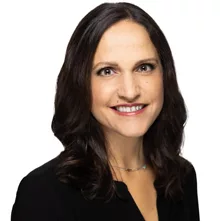
“The technical component is only one part of what makes Karl special,” says Warren Rosenbrook, plumbing technical manager at Henderson Engineers. “Karl leads with deep empathy in his relationships and professional network, both internal to Henderson and external in the industry at large. He knows how to recognize and cultivate the unique talents of each team member, building high-performance teams rooted in trust and mutual respect. He also ensures fairness and clarity in decision-making, creating consistent stable and inclusive environments where others thrive.”
Read on to learn more about Caouette’s journey, insights and leadership philosophy in this exclusive interview with Plumbing Engineer.
Plumbing Engineer: Tell us about your career path.
Karl Caouette: My first job at a mechanical engineering firm while in college drove me into this industry. That’s where I got into learning about plumbing design and plumbing engineering, and I was a sponge. I wanted to learn as much as I could about plumbing so I took the ball and ran with it, reading code books every day — pretty much one chapter a week — and asking my mentors a lot of questions as I read through the chapters.
PE: What’s your academic background?
KC: I completed my associates in Applied Sciences at ITT Technical Institute in 2000 while working full time and attending night school. It was an all-encompassing curriculum on engineering in general. I like to call it a two-year program on steroids.
I then continued at UCLA, which offered a standard certificate program over four semesters, and completed the Plumbing System Design certificate program. About a year later, I took the CPD exam — called CIPE back in the day — and passed.
PE: What are your current duties at Henderson?
KC: I’m in charge of everything on the plumbing side within the company — mentoring and training, SpecLink automation, BIM development tools, asset management and coming up with our business plans every single year are my main responsibilities. I review process improvement ideas and help move them forward to the next step of development and devise strategic sustainability initiatives.
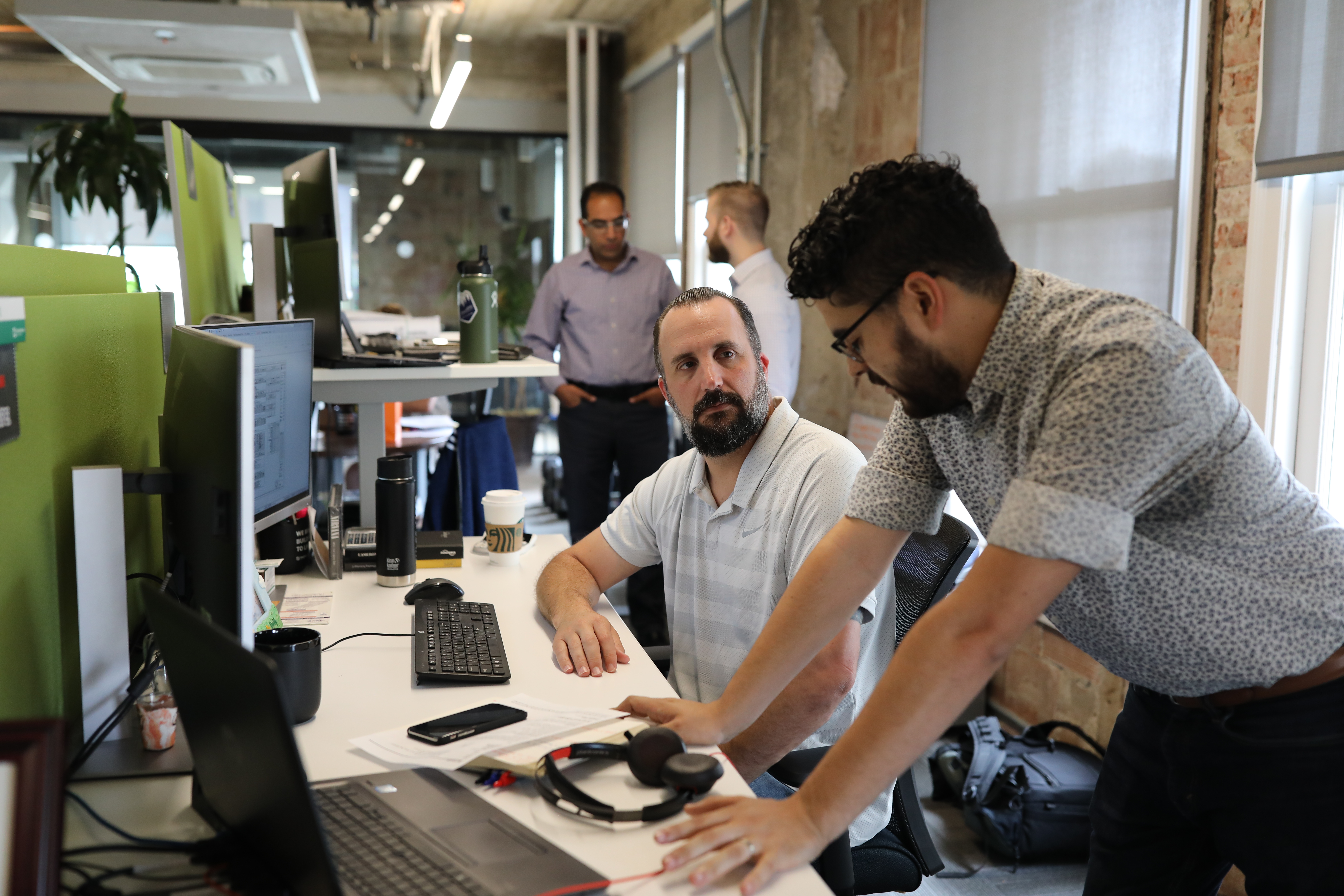
I spend a lot of time mentoring and training our technical managers and senior engineers. In addition, I get involved with QAQC (quality control questions and answers) from time to time, especially when a project has high profile, unique, system requirements. One of the big initiatives that I’ve been working on this year is rolling out SpecLink, a software that helps firms automate the spec editing process, to the entire company. Historically when spec editing, someone would open a master spec and delete all the parts and pieces that were not prevalent to the project.
The way we’re implementing the software is to have it link all the parts and pieces together so when a designer opens the spec, activates it and selects the products they need for their project, it also activates the relevant standards in Part 1 and the execution in Part 3.
We’re also working heavily on developing Revit families and establishing data governance within those families to integrate automation into the Building Information Model (BIM) process. When complete, this will dramatically improve the quality of our specifications and ensure that everything is tied together.
PE: What do you like most about your job?
KC: Like many engineers, I enjoy the problem-solving piece, but I also enjoy mentoring. There’s quite a few individuals in this industry who I have mentored and trained over the years that are now in leadership roles within their practice or firms — that’s one of my most edifying accomplishments.
PE: How do you approach mentoring?
KC: I hold one-on-ones every other week, usually for 30 minutes to an hour. They’re a chance to get to know individuals, find out their strengths and weaknesses, and then help them leverage their strengths so they can continue to grow in their career.
With technical managers, I primarily focus on helping them better lean into their leadership role by mentoring and training our younger designers and new grads. Ultimately, they’re responsible for those individuals’ career paths and professional growth.
It’s not just about helping develop younger staff; it’s also about teaching the fundamentals of plumbing engineering and staying active in the quality control review of projects before a project goes out the door. It’s a big job with a lot of responsibility, as they oversee the day-to-day operations with their projects.
When it comes to plumbing design or engineering, you must continue to learn and grow. One of my personal mentors once told me, “A day you don’t learn something new, is a day wasted.” That always stuck with me.
I encourage my mentees to grow every single day — whether it’s reading a leadership book, technical articles or data books and going through all the formulas, calculations or standards — just immersing yourself in the industry and continuing to grow daily.
PE: What aspect of plumbing design do you specialize in?
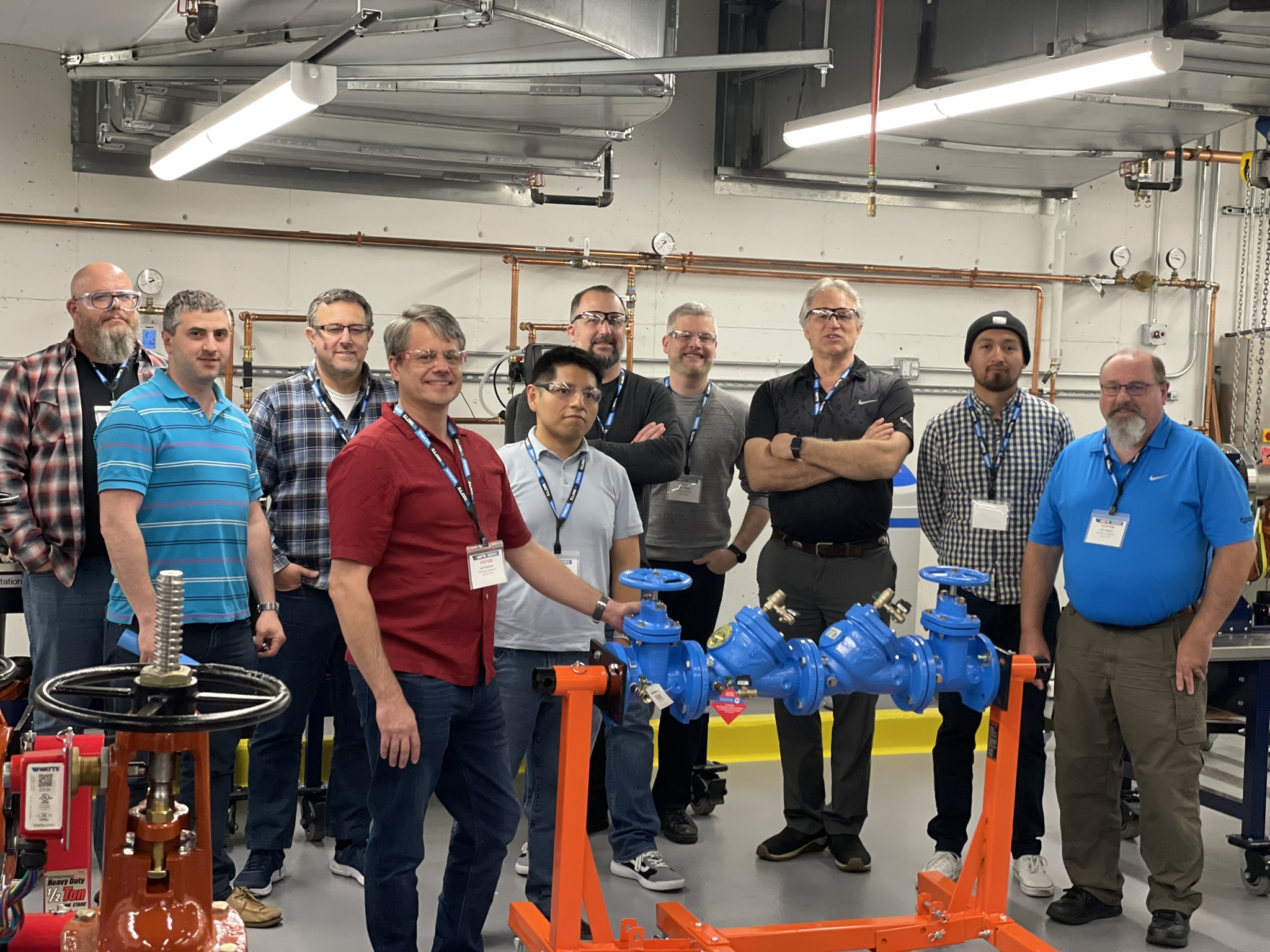
KC: It’s a given: high-rise plumbing systems. I am the high-rise expert.
While a building may be classified as a high-rise, its actual use will really define your approach to your design and the types of systems that you will specify. For example, in a multifamily you may specify individual water heaters in California because there’s a mandate to submeter hot and cold water for each tenant. In a hospital, you would specify a central water heating system up on the roof; if this was an office space, you would specify 50-gallon electric water heaters every five or six floors.
You never know what you’re going to do until you get the project and see how the building will be used. Then you can determine which kind of system to design for that project and identify the most efficient type of design.
Beyond high-rises, I enjoy doing restaurant and hospitality work.
PE: Tell us about some of your favorite projects over the years.
KC: Clifton’s Cafeteria on Broadway in downtown Los Angeles; it’s now called Clifton’s Republic. This building, originally built back in the early 1920s, kept its cafeteria open during the Great Depression to feed the homeless. The project, which consisted of a remodel, a facelift and an expansion, resonated with many of my beliefs, especially helping people and supporting the community.
My other favorite project was the Hollywood and Vine building in Hollywood, California. The original 12-story structure was built in the 1920s and used as office space but was developed into apartments and condos. That was my very first high-rise and my very first historic building project.
There’s so much history in older buildings; however, they’re challenging because you have to be very intentional about how you route your plumbing within those buildings to preserve the physical or visual aspects of the building. You also must contend with the Historic Society, which reviews and approves structural changes.
PE: Who are your mentors and what have you learned from them?
KC: April Trafton and her father, Don Dickerson, taught me a lot about the inner workings of our business, the job role and responsibilities of a consulting designer and consulting engineering firm and what we do. April taught me a lot about high-rises when I started working for her firm, and Don taught me about the legal aspects and the risks associated with everything that we do.
Warren Rosenbrook is one of the most technically solid folks I’ve ever worked with. He’s sharp and has been involved with a lot of different project types. He’s helped me sharpen my technical pencil for sure.
Christoph Lohr for his great leadership and mentoring style. A lot of my current leadership and mentorship styles I’ve learned from him.
Ron Bradford, owner of Signature Sales, too. He passed away recently. He taught me about the power of positivity even at my lowest.
PE: Which professional organizations have shaped your career in the plumbing industry?
KC: First and foremost, the American Society of Plumbing Engineers (ASPE) because of the people I’ve met, the relationships I’ve built within the industry, and for all the information I’ve gained from their technical training sessions throughout my career. It’s a great organization for all things related to plumbing engineering.
Also IAPMO because it’s looking more towards the future of what our industry will look like from a codes and standards perspective. A lot of the codes and standards are really driven by IAPMO.
I served on the board of directors for the ASPE Los Angeles chapter as vice president, legislative from 2006 to 2007, treasurer from 2008 to 2010, and as vice president, technical in 2018. Now that I’m in Pennsylvania, I’ve reached out to the Pittsburgh chapter and recently attended my first meeting.
At IAPMO, I’ve been on the education subcommittee for the past few years. We come up with ideas for education sessions for IAPMO’s annual education series. I am also on the Plumbing Design Working Group committee and I attend the technical sessions for up-and-coming code changes to learn about all the code proposals and required code changes.
PE: Why is it important to get involved with industry-related associations?
KC: Our younger folks need to be involved with ASPE and other associations such as IAPMO and the International Code Council to give back, for career growth and networking opportunities, and to be a part of these really important changes that are happening in the industry.
This industry doesn’t stand still. Codes evolve, new technologies emerge and changes like water safety demand constant attention.
Being a part of and involved with the changes is huge. I’ve heard people complain way too many times that “we can’t do this” or “code doesn’t allow you to do that.” Well, get involved and help make the change.
PE: What’s the most pressing issue for your profession today?
KC: Our sustainability piece. We can throw out all kinds of ideas to reach carbon zero — high-efficiency fixtures, stormwater and graywater collection treatment and reuse for example. But the price tag associated with implementing those solutions is our biggest challenge. We’ve designed many of these systems, but they’re typically one of the first few things to get value engineered out.
It’s the same with Legionella mitigation strategies. LiquiTec’s Copper-Silver Ionization System is one of the key pieces of equipment that fights against Legionella bacteria, yet it’s usually one of the very first pieces of equipment that gets value engineered out.
Ultimately, our biggest challenge is convincing owners to invest in these measures, whether it’s for sustainability or for risk management — despite the upfront cost.
PE: What are you and your firm doing to get more people into the industry?
KC: We run a summer intern program at our company. About 70% of those interns return and receive full-time positions.
What I try to do is sneak in a few mechanical interns and pull them over very slowly. Sometimes I lie in the weeds — this is Don Dickerson talking — sometimes I lie in the weeds and I’ll gaff them and then bring them over to the plumbing side. Then I get them excited about plumbing engineering.
Many mechanical grads, though, are afraid to step out of their comfort zone because you don’t learn plumbing design and plumbing engineering in college. Only a couple schools offer two-year programs in plumbing design and engineering, so getting them to step out of their comfort zone is very challenging.
It’s a constant fight; we have more plumbing designers and plumbing engineers retiring so we need good quality plumbing designers to fill those needs. At some point we may start looking at trade schools and start kind of picking out of that hat of talent and pulling them in.
PE: I read on LinkedIn that the NCEES will start offering a plumbing and piping exam in October 2028. What is the significance of this announcement?
KC: It’s huge. This will provide a direct path to obtaining a professional license. It’s been a long time coming. It will open doors for more young designers to pursue licensure. I believe this will help us get more graduates excited about learning plumbing since there’s a technical degree and a license exam tied to it.
PE: How can the industry recruit and retain young professionals?
KC: We need to get them excited about the projects that we do by explaining the significance of our work and highlighting the underlying factors that make it important. At the end of the day, we’re protecting the health, safety and welfare of the public.
If we have a sewer gas leak within a building, what’s the risk and impact to public safety and the reason behind our designs and what we do with what we do, right? If there’s a trap seal that fails or dries out, those sewer gases can cause health issues for people within a building.
If hot water flow within a piping system isn’t positively maintained, it can create conditions that allow bacteria — such as Legionella — to grow inside walls of the pipe, which can impact the public if it’s aspirated.
We need to make sure we’re properly sizing our system so there’s not a catastrophic structural failure to a building’s roof system. We need to ensure that all our fixtures are properly vented to prevent the self-siphoning of p-traps, which can cause unwanted odors into the building. Even terminating vents is super important. You have prevailing winds that can happen if you don’t have that vent pipe terminating away from a fresh air intake.
PE: What advice would you give to those working in plumbing design and specifying?
KC: Learn. Be interested. Stay curious.
PE: What are your top three career highlights?
KC: Professionally, passing the CPD is my No. 1 achievement. No. 2 is having my article on high-rise water design make the cover of Plumbing Engineer in 2022 (http://bit.ly/46xWFAS). Ever since I published that article, I get calls from other engineering firms asking to speak with me about high-rise plumbing design. And then of course, being named Plumbing Engineer of the Year is a great achievement.
PE: Tell us about your home life and personal accomplishments.
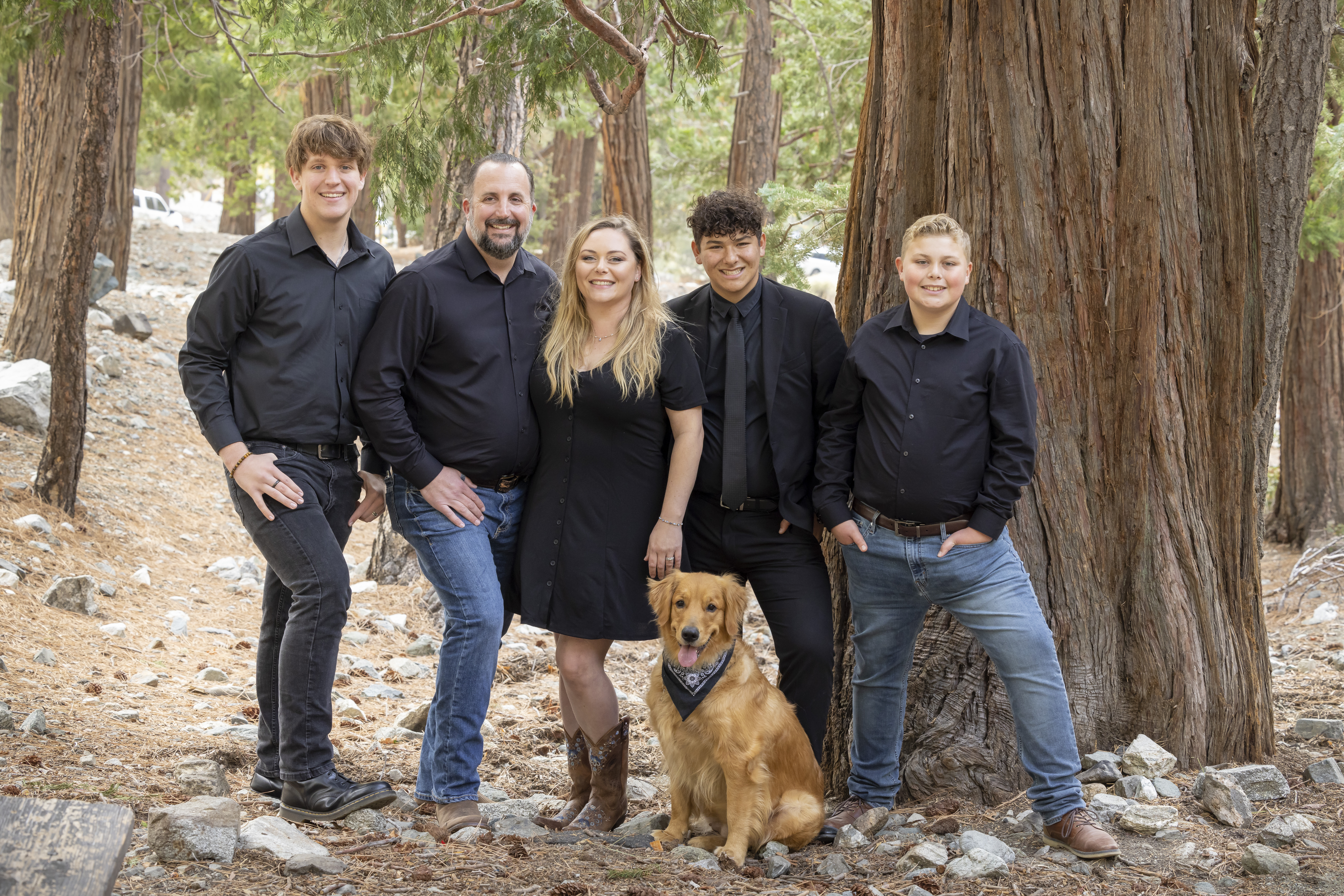
KC: Being a father and a husband is my greatest personal achievement. My wife Mollie and I have three children ranging from 17 to 20 years old: Aidan, Jaycob and Jack. They are some great kids with big ambitions for the future. Aidan is going to college to pursue his mechanical engineering degree, Jaycob is studying to become a psychologist, and Jack is a senior in high school with aspirations of becoming a personal trainer.
We love the outdoors — fishing, hiking, camping, wine tasting and traveling to different parts of the country. We used to take an annual summer vacation to the Sierras in California to fish and camp for two weeks and unplug from our electronics. Now that we’re in Pennsylvania, we have new areas of the county to explore and plenty of restaurants to discover. We recently did a six-mile hike over to Slippery Rock Creek — that was really pretty.
I’m also an animal lover. We have three Golden Retrievers: Phineas (traditional American Golden Retriever), Max (an English Cream) and Emma (a red-haired Golden Retriever, and three cats: Trixie, Romeo and Ferb.
I’m a licensed search and rescue diver as well. Mollie and I have been scuba divers for more than 20 years.
PE: Is there anything notable that happened to you in 2025?
KC: Honestly, this is the highlight of my year. Professionally, I’d have to say the development of SpecLink, where me and my team have spent time and effort automating our specs. Next year we will implement SpecLink and get everybody in our 1000-person firm to use it.
PE: What does it mean to be named Plumbing Engineer of the Year?
KC: I’m incredibly honored by it. However, winning awards is not why I’m here. I’m here to do my job, help other people advance in their careers and help the industry grow and get better. That’s what I do this for; I fell in love with what we do.
PE: Is there anything you’d like to add?
KC: I’m just grateful to everyone I’ve worked with professionally who has contributed to my career and growth over the years, both directly and indirectly.
Editor’s note: Responses have been edited for brevity.