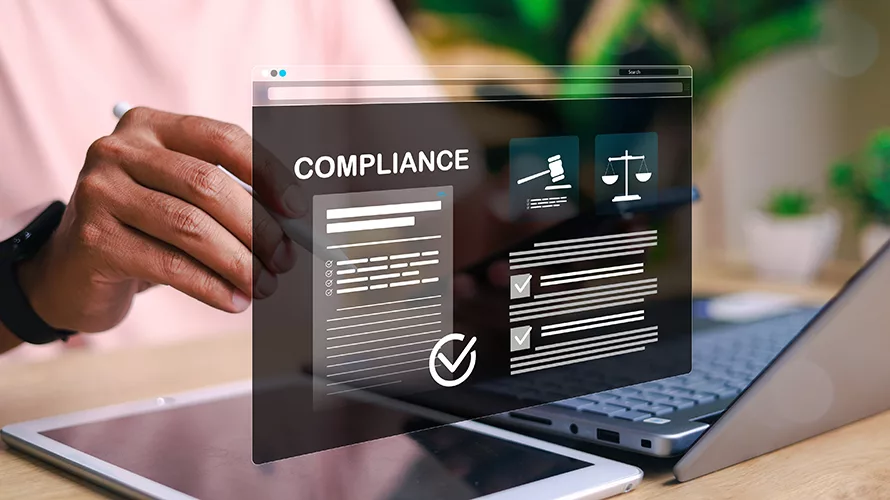
The plumbing industry is constantly adapting to meet new health, safety and environmental standards that are a crucial to running a successful contracting business. Being up to code means much more than just following the law and avoiding a hefty penalty. It’s about protecting your customers, guaranteeing the span of your work and upholding your company’s hard-won reputation. Let’s explore the actionable insights and strategies that help you stay compliant while delivering high-quality work in an industry where safety and precision are paramount.
Evolving codes
Regulations on the local, state and federal levels are continuously revised to reflect modern technology developments, climate change efforts and water management. Although these continuous changes can seem overwhelming, you can do the following things to stay in the loop:
Stay informed: Most pros say the best approach is simply staying plugged in. Subscribing to updates from local authorities can prevent surprises. Continuing education courses remain one of the fastest ways to get ahead of upcoming changes. Industry groups such as PHCC and IAPMO are still reliable early-warning systems. And many contractors now rely on code-reference apps, such as Code Snap UPC and UpCodes, to keep track of codes related to specific plumbing projects in their area. These mobile tools help you search region-specific building codes and plumbing regulations instantly.
Common areas of focus: Meanwhile, inspectors around the country are focusing on similar themes. For example, fixture spacing and drain and venting issues are always scrutinized. Backflow prevention and cross-connection control are top priorities. And there’s an increased focus on eco-friendly and durable piping materials. And there will always be changes to greater energy efficiency standards both in building and homes.
Regular processes: The shops with the fewest violations are generally just following consistent, repeatable practices. Many veteran techs still rely on a basic checklist for common installations, especially on jobs where sequencing between trades can create unintended mistakes. A simple internal walkthrough before calling for an inspection can prevent delays caused by a mislabeled fitting or an untested backflow assembly. In addition, material selection is another area where following a regular routine matters. More contractors now make it a rule to install only certified products, such as WaterSense fixtures, UL-listed components and CSA- and UL-approved devices.
Train your team: Training is always important, but takes on even more importance when it comes to understanding codes and standards. With new technologies and materials coming out every year, even experienced techs often need refreshers. Structured training programs ensure a consistent baseline across a crew. Manufacturer-led sessions and help from an organization like the National Center for Construction Education and Research, a nonprofit organization that develops standardized training and credentialing programs for construction and skilled trades can fill in the gaps with real-world installation details.
Rely on specialists: On complex jobs, such as hospitals, labs or mixed-use commercial development, contractors are increasingly bringing in code specialists or third-party compliance consultants to act as a second pair of eyes to review work before inspections. Their input can prevent costly rework and keep schedules on track, especially in projects involving unique systems or high-stakes safety requirements.
Monitor your reputation: Reputation also plays a role in compliance. Inspection histories are more transparent than ever, and customers, GCs and owners pay attention. Clear documentation, quick responses to issues and a professional tone when resolving disputes can prevent a small misstep from becoming a long-term problem. Encourage client reviews, and always resolve disputes amicably. Maintaining a track record of accountability will exemplify your dedication to quality and compliance.
Emerging trends
Several emerging trends are likely to influence codes in the years ahead. For example, smart plumbing systems, such as automated shutoff valves, leak detection sensors and IoT plumbing products are becoming more common in residential and commercial applications. With that growth comes new requirements around electrical safety, communication protocols and installation methods.
New codes are also incorporating increased expectations for conserving energy and water use. Plumbers need to become familiar with sustainable designs and their installation protocols. On a related note, aging urban infrastructure is driving a surge in retrofit work. Older buildings with outdated plumbing and HVAC systems require careful attention.
Confidence through process
The contractors who stay ahead of code compliance challenges tend to rely on three core practices: collaboration, documentation and good equipment. Staying in touch with peers, whether through PHCC chapters, online groups or personal networks, provides insight into how specific inspectors are interpreting the code. Thorough documentation, from photos to model numbers, protects both the contractor and the customer. Finally, investing in reliable tools for testing, leak detection and verification helps catch issues before an inspector does.
Above all, the mindset matters. Code literacy isn’t a one-time task. It’s part of being a professional in a trade that’s evolving faster than ever. Contractors who view compliance as a skill, not an obligation, tend to navigate changes with fewer surprises and more confidence.
Codes and standards will keep changing. That’s a given. But staying compliant doesn’t have to feel overwhelming. With solid habits, ongoing training and a proactive approach, plumbing companies can protect their business and deliver better results. In today’s environment, compliance has become more than a requirement. It’s a differentiator. Contractors who stay out in front of the curve see smoother inspections, greater customer trust and more opportunities downstream.
The formula is the same one the trade has relied on: stay informed, stay adaptable and do the work right the first time. In a fast-moving industry, those fundamentals matter more than ever.
Dustin Smith is the owner of Smith’s Plumbing Services, a locally owned plumbing company serving homeowners and businesses throughout Memphis. Dustin started his company with just his truck and a few essential tools and grew it into an award-winning brand known for their outstanding customer service.