We use cookies to provide you with a better experience. By continuing to browse the site you are agreeing to our use of cookies in accordance with our Cookie Policy.
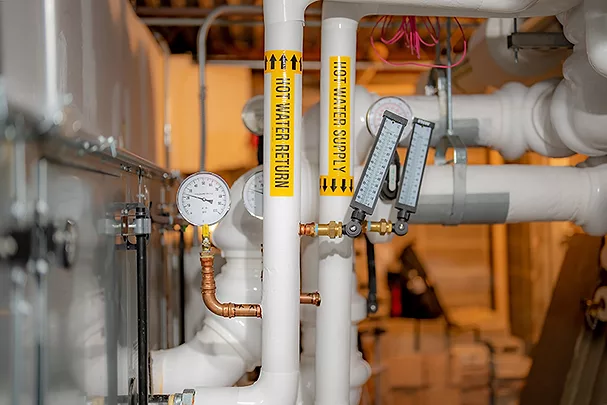
A properly implemented building management system can strengthen water management plans in buildings. Here is how.
Water quality in buildings is defined by a matrix of measurable parameters: disinfectant residual, turbidity, pH, total organic compounds, hardness and suspended solids, among others.
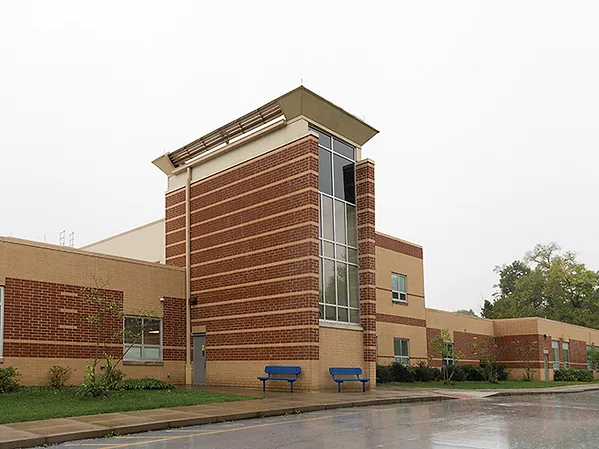
New point-of-use design saves labor and costs while improving safety compliance and overall system reliability across 66 school buildings.
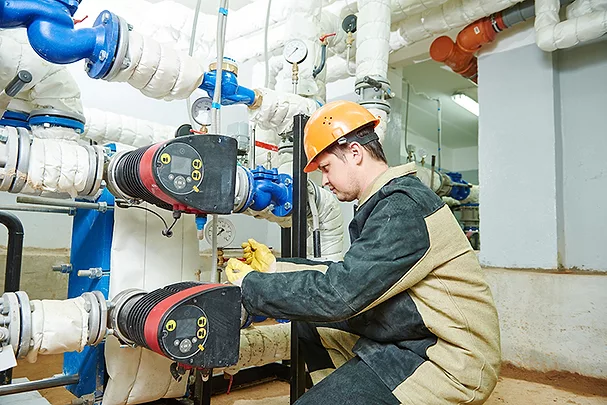
Because mixing valves are crucial for preventing scalding, thermal shock and Legionella, the CPS maintenance team required a timely and safe solution to protect students and staff while enhancingwater efficiency.
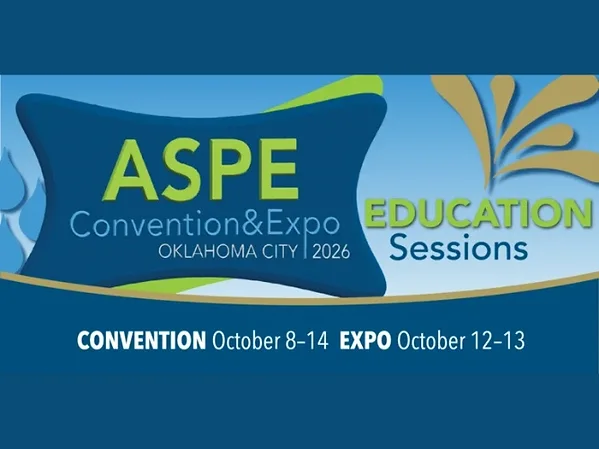
During the 2026 ASPE Convention & Expo in Oklahoma City this fall, industry experts will present dynamic technical education sessions designed to increase the skills and career opportunities of attendees.
Other recommendations include proper mixing valves, adequate disinfectant residuals and flushing/cleaning maintenance to manage biofilm and stagnation.
Designing a safe domestic hot water system requires balancing the need for high distribution temperatures to prevent Legionella growth with code-compliant temperature controls to eliminate the risk of scalding at the fixture.
Plumbing designers are expected to recognize known risks, apply industry standards appropriately and design systems that balance competing hazards in a defensible way.
Learn how plumbing engineers must balance the conflicting risks of Legionella control and scald prevention by applying ASSE standards to meet the modern professional standard of care.
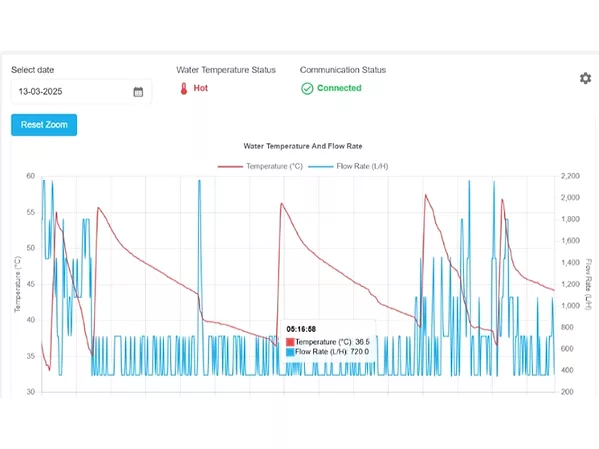
Wint has introduced AI-driven temperature analysis, a tool that links water flow and temperature patterns to give facility and sustainability teams deeper insight into how water behaves across building systems.
Learn the critical steps for safely flushing, disinfecting, and documenting building water systems when Legionella bacteria are suspected or confirmed.
Chicago Faucets is proud to serve as a sponsor of ASHE Engineering Week 2025, a national initiative recognizing the essential role of healthcare engineers in creating safer, more efficient facilities.
 RSS
RSS