 RSS
RSS

Contractors & Installers

MOMENTUM BUILDING MARKETING
Know Your Competitors to Better Position Your Business
Take a look at what your competition is doing that works and what they do that doesn’t work.
Read More

The 7-Power Contractor
Why You Should Become a Better Trainer
It will allow you to help young, willing people rise up and realize their potential while growing your business as much as you want.
Read More
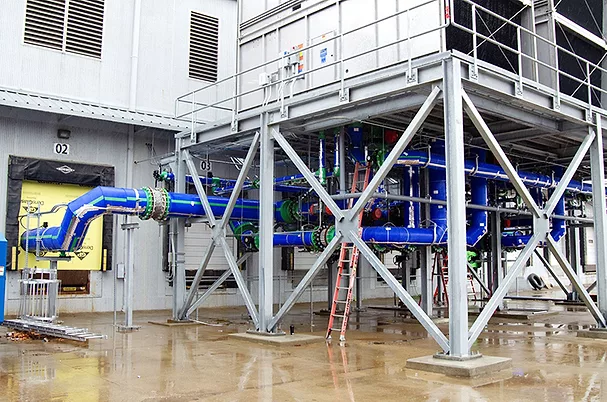
Polypropylene Pipe Keeps Glove Production Lines Moving
Miles of Aquatherm piping expertly fused with McElroy equipment helps business accomplish its goals.
Read More


Contractor Profit Advantage
Teaching Future Generations To Be Star Techs
The future success of the contracting industry is in the hands and minds of the people who will replace you.
Read More

CONTRACTOR STORIES
Electrify It All, Immediately?
Electrification makes sense when we have the infrastructure to support it, but not before.
Read More

Legal Pipeline
‘No Magical Language’ Required to Waive Rights in Arbitration Agreement
Parties may find they are best served having a succinct, yet cogent arbitration clause that does not try to address every detail about the process.
Read More
Feature
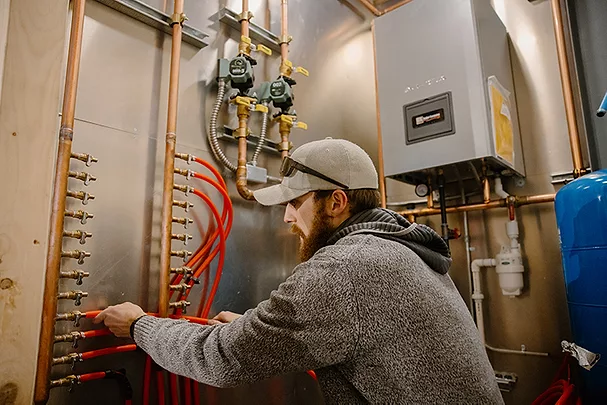
2023 Heating Season Preview
Customers’ needs for the basic services contractors provide may never change, but the technology and business settings to provide them will.
Read More
The Future is Now
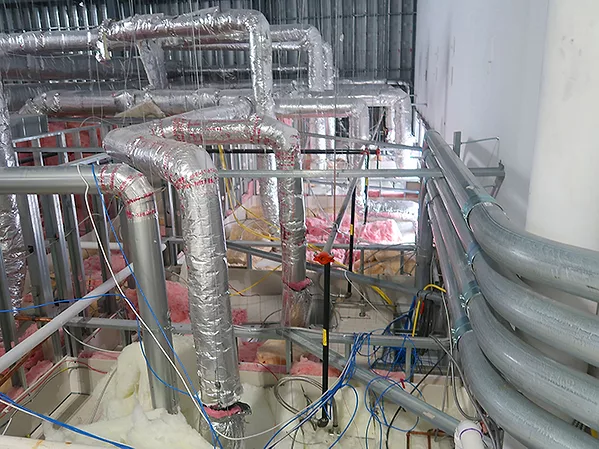
Green Warehouse and Factory Buildings
As online sales grow and the reshoring of U.S. semiconductor production continues, this market could be a key opportunity for future clean energy systems.
Read More
_800x800_webp.webp?t=1775667064)


