The Plastics Pipe Institute (PPI) said that while New York State’s fund of $250 million for water infrastructure improvements should be applauded, not allowing an open procurement process would diminish results and not provide the most cost-effective solution. PPI is the major North American non-profit trade association representing the plastic pipe industry.
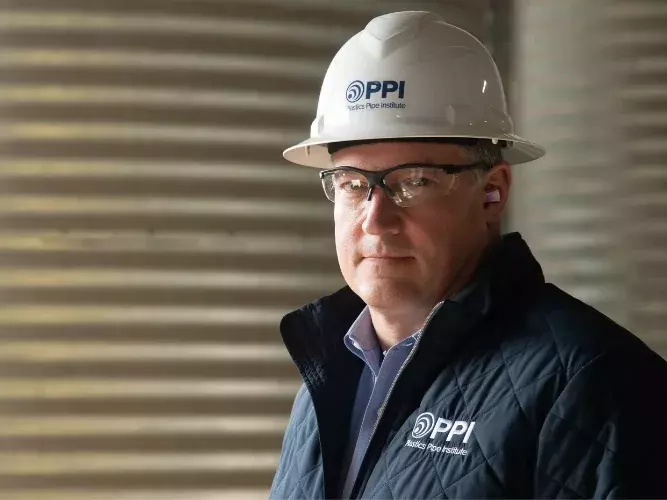
“Any municipal procurement procedure must be open to competitive bidding,” stated David M. Fink president, PPI. “This way products that demonstrate the longest service life while being fiscally responsible to the local ratepayer can be evaluated and selected.”
New York State’s $250 million fund will provide financial assistance for water infrastructure improvements, including funding to help communities replace lead service lines, treat emerging contaminants, and modernize aging water systems. Approved by the Environmental Facilities Corporation Board of Directors, the funding is seen as an important step for families and communities across New York who deserve safe, reliable drinking water and modern infrastructure.
“As New York moves forward to replace lead service lines and deliver safer drinking water, state leaders deserve credit for making this issue a priority,” Fink said. “This funding is an important step for communities working to remove lead pipes, reduce health risks, and strengthen aging water systems.”
New York’s newly approved infrastructure package includes support for lead service line replacement in communities including Rochester, Poughkeepsie, and Ogdensburg, along with broader investments in PFAS treatment, stormwater resiliency, and wastewater upgrades statewide. PPI said that momentum should continue with policies that promote timely replacement and practical implementation.
“If New York is serious about replacing every lead service line, it should not lock communities into a costly, slower one-material mandate,” he continued. “A material-neutral approach with open competition will give communities the flexibility they need to control costs, move projects faster, and support innovation.
“For example, high-density polyethylene (HDPE) and PEX pipes offer safe, smart, and sustainable solutions that can help communities replace lead service lines efficiently and affordably,” Fink said. “When the goal is to get lead out of the ground as quickly as possible, policymakers should support flexibility and innovation — not lock communities into a costly, slower one-material mandate.”