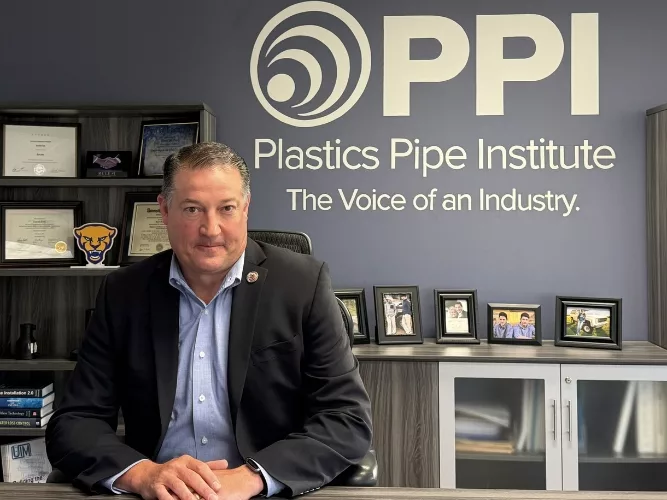
The Plastics Pipe Institute (PPI) expresses support for continued action to protect safe drinking water and modernize aging water infrastructure. The major North American trade association representing the plastic pipe industry also thanked Chairman Gary Palmer (R-AL) and the House Committee on Energy and Commerce Subcommittee on Environment for holding From Source to Tap: A Hearing to Examine Challenges and Opportunities for Safe, Reliable, and Affordable Drinking Water.
“Safe drinking water is a public health issue, an infrastructure issue, and a community trust issue,” stated PPI President David M. Fink. "The Plastics Pipe Institute and our members support strong action to protect safe drinking water and accelerate the replacement of aging, failing, and hazardous water infrastructure, including lead service lines. The issues raised in this hearing make clear that communities across the country are facing real challenges tied to corrosion, water loss, outdated systems, and the rising cost of compliance.”
According to the association, the use of thermoplastic pipe has continued to grow due to the benefits it provides to utilities and communities. The heat-fused sections of sold wall high-density polyethylene (HDPE), for example, provide a leak-free water system without the possibility of corrosion, while stormwater drainage pipe withstands salt water and can contain recycled content. Thermoplastic pipe is also widely used in gas transmission and exploration, plus other types of the pipe are found in buildings and homes to supply drinking water.
“PPI believes durable, corrosion-resistant materials should be part of that solution,” Fink emphasized. “Proven plastic piping systems can help utilities and communities replace deteriorating infrastructure, improve reliability, reduce leaks, and build more resilient water systems for the long term. This latest hearing calls attention again to the crisis we have in the United States with our drinking water.
“We also support sustained funding through the Drinking Water State Revolving Fund and IIJA, along with strong oversight to ensure these dollars are used effectively and reach the communities that need them most, especially small, rural, and disadvantaged systems facing the greatest resource challenges.
“Communities deserve confidence that when they turn on the tap, their water is safe,” he continued. “That means continued investment in lead service line replacement, stronger support for system upgrades, and practical solutions that help utilities modernize treatment, storage, and distribution infrastructure. And PPI is here just as we have been for more than 75 years to provide the expertise, data, vetted studies and professional engineering expertise.
“We welcome continued work to modernize the nation’s water systems and support practical, affordable, and durable solutions that help deliver safe water for every community.”