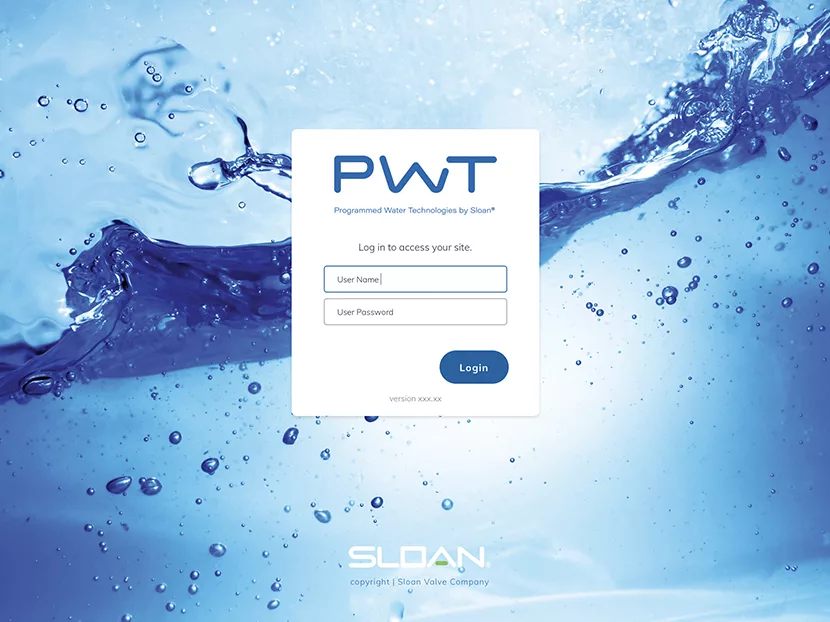
Sloan, a world-leading manufacturer of commercial plumbing systems, has developed a new line of Programmed Water Technologies (PWT) to provide a comprehensive solution for managed water systems.
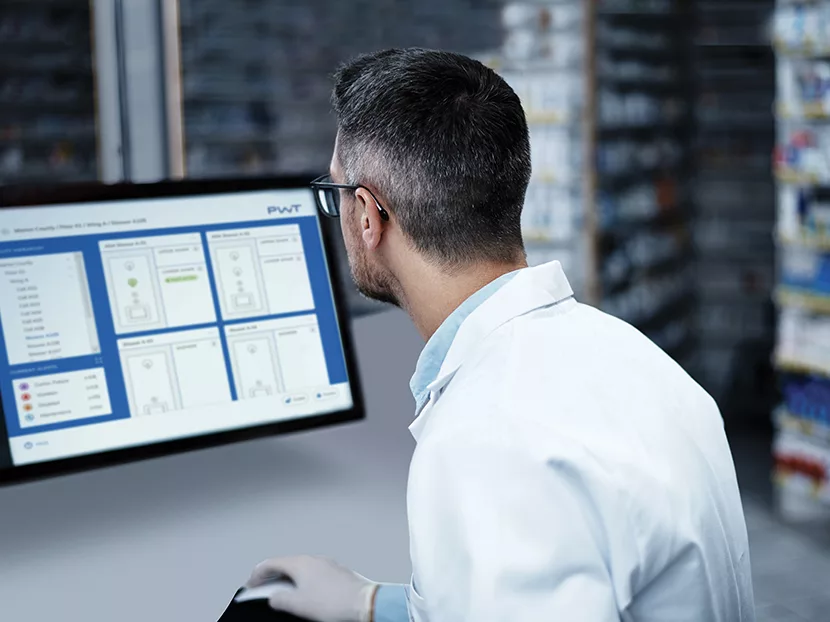
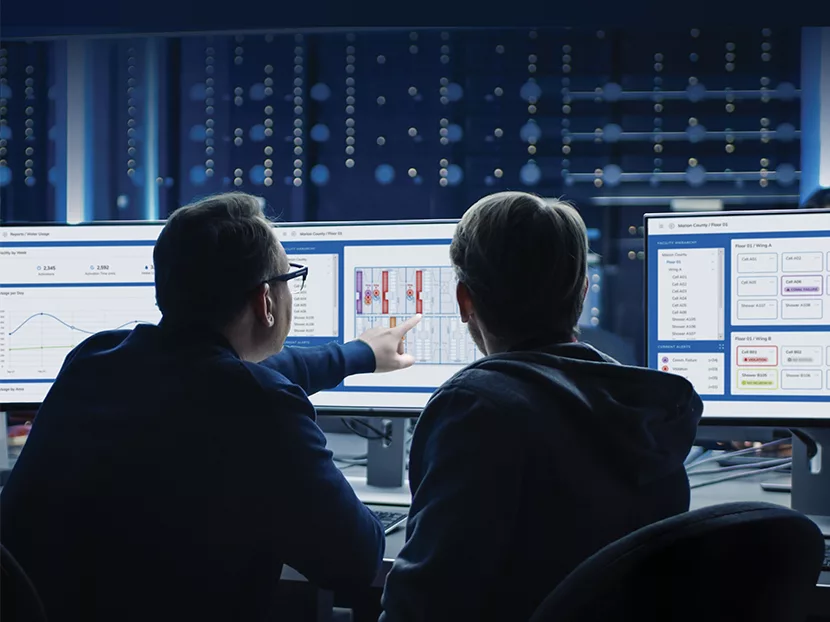
PWT's user-friendly management console interface provides facility maintenance teams with access to the status and usage patterns of the fixtures in their network and the data to keep them running. Ideal for new or existing projects, PWT helps reduce water usage by controlling every drop of water throughout a facility, lowering usage costs on every fixture, and preventing vandalism and tampering. In fact, facilities outfitted with PWT report a 35 percent annual reduction in water usage.
"Proactively managing a building's water supply is an important function for any facility maintenance team to cut costs and save water," said Faye Badger, Sloan PWT and Internet of Things product line manager. "Sloan's new line of Programmed Water Technologies is equal parts water control and conservation to help facility managers identify when and where they can preserve water."
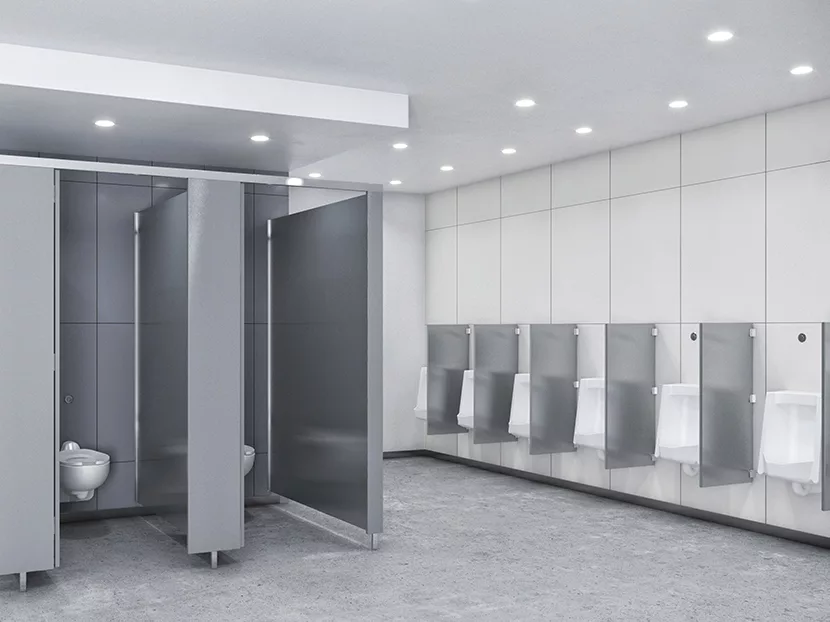
PWT products are designed to be independent of other building automation systems to easily integrate and configure into any project. The smart restroom solution includes a variety of networkable components offering different levels of security, control, and scalability, including the following:
- Toilet System Control – Save maintenance time and lower costs with toilet units such as battery-operated or hardwired flushometers and buttons that help prevent unwanted tampering.
- Shower System Control – Regulate water pressure, temperature, and shower length across every showerhead in a building's system.
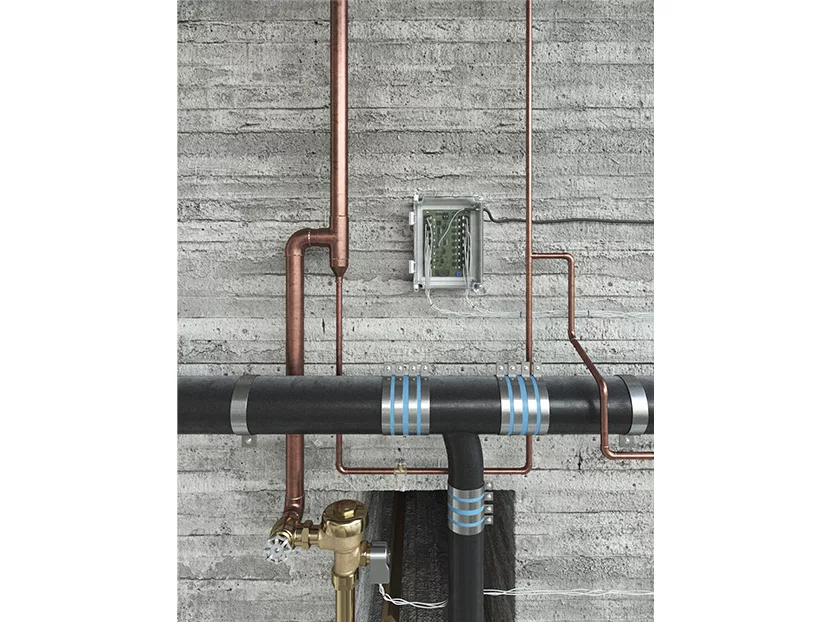
- Complete Restroom Control – Manage every aspect of a restroom's water system to keep unwanted tampering at bay with appliances such as a PWT Controller, manifolds, solenoids, transformers, and more.
In addition to reviewing water usage data and product status in real-time while generating reports, PWT management software helps prevent vandalism and misuse by allowing for localized valve closures at the touch of a button. This not only helps address system alerts faster, but also controls the run time before viewing a report history of each device.