We use cookies to provide you with a better experience. By continuing to browse the site you are agreeing to our use of cookies in accordance with our Cookie Policy.
Robb Risani and Witold Dziekan provide key plumbing design considerations for office-to-residential conversions and offer their organization’s approach to domestic hot water heating design for these conversions. In addition, PHC News Editor Steve Smith contributed our annual PHCPPros Boiler Report, which highlights the latest trends and products out there in the hydronics industry.
The domestic hot water system requires a significant amount of careful planning in the early design stages.
May 1, 2025
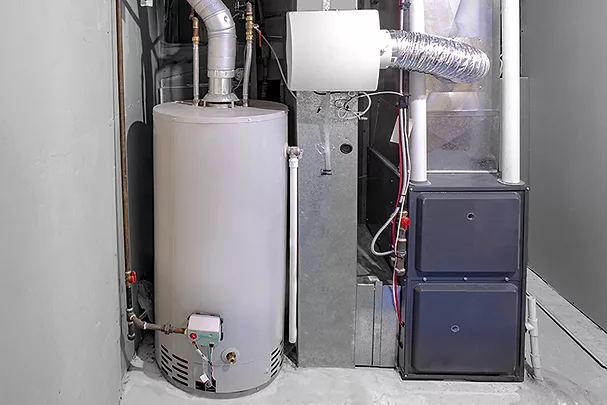
As hybrid work drives office-to-residential conversions, unique plumbing challenges arise—especially for domestic hot water systems. Arup engineers share key design insights and a new tool to streamline DHW strategy decisions.
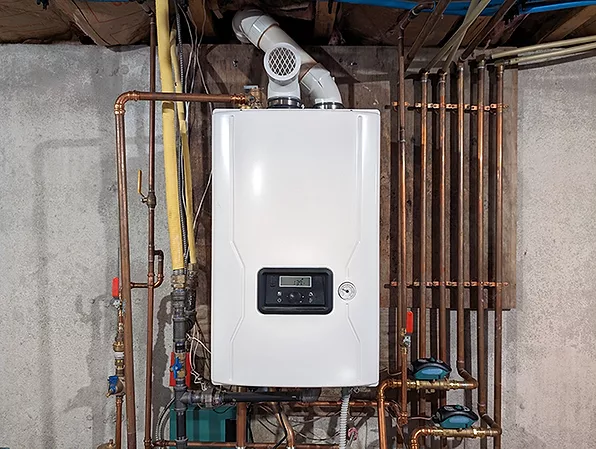
Hydronics manufacturers are focused on decarbonization and the evolving role of boilers, heat pumps, and hybrids—but uncertainty around federal and local regulations has left many cautious. While some are forging ahead with high-efficiency products, others are waiting for clearer rules before making bold moves.
What if your plumbing could detect problems, fix itself, and send you a receipt—all before you even knew there was an issue? Industry veteran John A. Mullen introduces “Living Pipe,” a visionary concept combining AI, self-healing materials, and advanced sensors to create truly intelligent water infrastructure.
A dedicated standard for the hanging and bracing of fire suppression systems is in development. Learn why NFPA 200 was created, how it builds on existing codes, and what it means for the future of seismic protection and structural coordination.
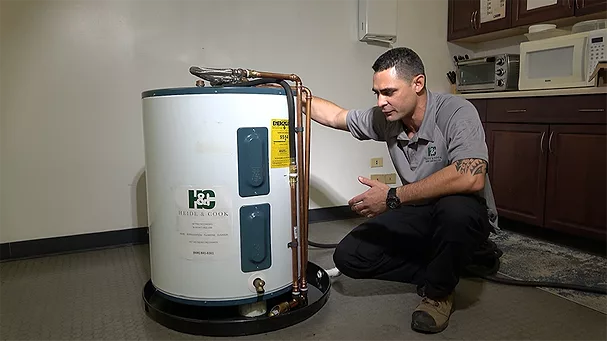
Scald burns are 100% preventable — but only when hot water systems are properly maintained, monitored, and designed to code. This month, Ron George, CPD, explores how preventative maintenance and plumbing codes work hand-in-hand to keep building occupants safe.