We use cookies to provide you with a better experience. By continuing to browse the site you are agreeing to our use of cookies in accordance with our Cookie Policy.
Addressing water-related challenges is part of the industry’s biggest endeavors. This month’s issue includes a number of articles that address just that.
A comprehensive ‘smart plumbing’ submetering system conserves water and prevents flooding.
July 1, 2023
Owners and managers of large properties as well as commercial buildings already know it’s smart to monitor their buildings’ water consumption to detect problems like “running” toilets and overoccupancy.
Architects and engineers must coordinate venting/exiting requirements for natural gas equipment and building openings/intakes in the design phase
July 1, 2023
Natural gas-fired and electric boilers and water heaters have specific space and venting requirements to keep building occupants safe. Architects and engineers need to discuss these issues during the design phase to ensure aesthetics and safety issue are all considered.
It’s important to consider the overall sustainability goals of a project when
selecting strategies to pursue certification.
July 1, 2023
Effectively managing a building’s storm drainage can boost the number of points to achieve LEED certification. Discover the various categories where siphonic roof drains can rack up points for a silver or gold building in this article.
Greenville’s Feed & Seed sustainability goals include connecting local farmers with community institutions and conserving resources where it can.
July 1, 2023
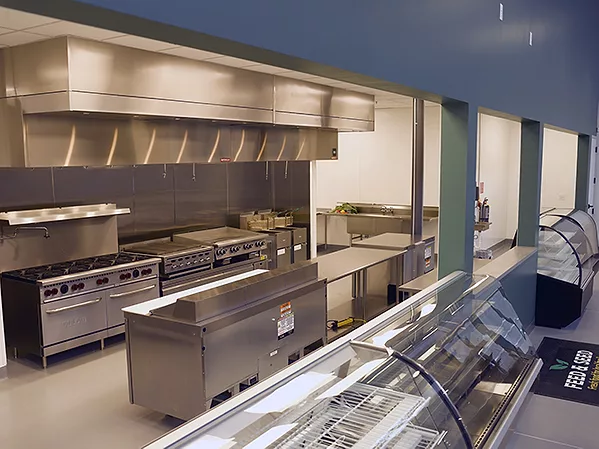
A chef who imagined making fresh food affordable realized her dream in Greenville, S.C. Read on to discover the Feed & Seed food hub, its mission to connect local farmers with the community, and its water conservation goals.
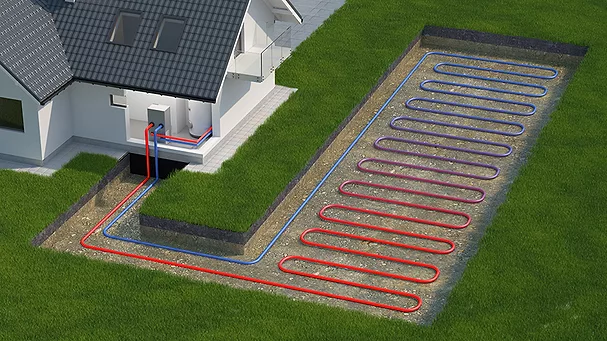
In Part 3 of this three-part series, learn about closed-loop, open-loop and direct-exchange geothermal systems. The geothermal provisions addressed in the Uniform Solar, Hydronics and Geothermal Code are the industry’s most advanced and updated provisions.
Plumbing in office buildings — typically mixed use — is designed differently than in health-care facilities, senior-living communities or multifamily buildings. Automation and digital monitoring through a building management system can aid an overwhelmed facilities staff in keeping water safe.
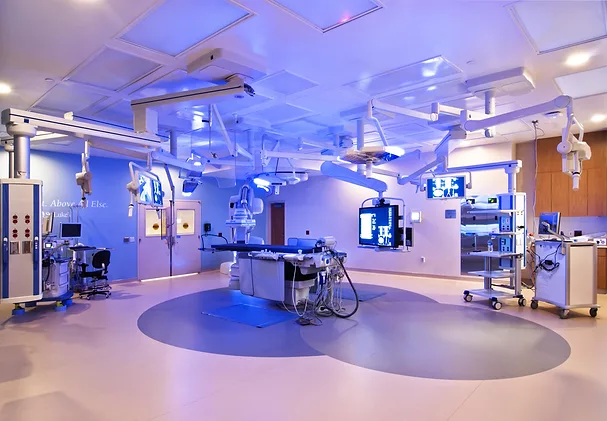
Instrument air and service compressed air — compressed air systems found in health-care facilities — are often an afterthought as they are not considered life safety systems. Yet they are critical in operating rooms and sterile processing areas.
Creating our building codes includes much research and documents from subject matter experts across the building industries. It is important to learn how these different standards affect each other. Read on to discover how the new earthquake protection codes can impact water-based fire protection systems.
Dennis Whitelaw, owner and president of Towle Whitney, discusses how the company got its start and their booster pump systems.
July 1, 2023
Towle Whitney designs water booster pump systems and prides itself on their value-engineered solutions. PHCPPros recently spoke with Dennis Whitelaw, co-owner and president of Towle Whitney to learn more about the company and their products. Here’s what he had to say.
Part 3 of this series discusses how sanitary waste energy exchange systems (wastewater heat pumps) can increase DHW efficiency and reduce carbon emissions.
July 1, 2023
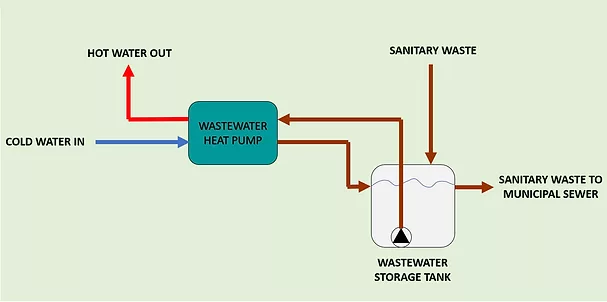
Municipalities across the country are moving to new policies to decarbonize buildings. In Part 3 of this series, learn how sanitary waste energy exchange systems (wastewater heat pumps) can increase DHW efficiency and reduce carbon emissions.
Technical Information Report 34 is a standard published by the Association for the Advancement of Medical Instrumentation. It details the importance of the sterile processing of medical devices and the effects of poor water quality on these processes.
Coordinating the design with other building system trades and stakeholders can lead to a smoother installation and a safer building.
July 1, 2023
An efficient project can save time and money. Coordination efforts during the design phase of the fire protection system can reduce the number of conflicts in the field, keep the project budget in line and construction progress on schedule by minimizing delays.
A geo-exchange system either extracts energy from the ground for heating or pumps it back into the ground for cooling. Energy companies and large construction firms can use this technology to help decarbonize our buildings and remain profitable. BF Nagy describes a few such North American projects in this month’s column.
When a water heater dies, it seems to happen at the worst possible time. Hotel, apartment building and office building managers want to install replacement water heaters as soon as possible. However, there are many things to consider when sizing the appropriate water heater for the application.