We use cookies to provide you with a better experience. By continuing to browse the site you are agreeing to our use of cookies in accordance with our Cookie Policy.
The proposed federal legislation addresses copyright concerns by ensuring that model technical codes or product standards do not lose their copyright protections when they are incorporated by reference into a law. It aims to balance the interests of the standards development organizations with the public’s need for access to the laws they must follow.
Ron George reviews the different equipment and devices that can limit water temperatures in the hot water distribution system. Also, he explains how 120 F became the preferred temperature for bathing, showering and washing.
Ron George explains the importance of understanding plumbing safety and system functionality when a heat exchanger with no storage tank or code-required and approved temperature controls is used for domestic hot water applications.
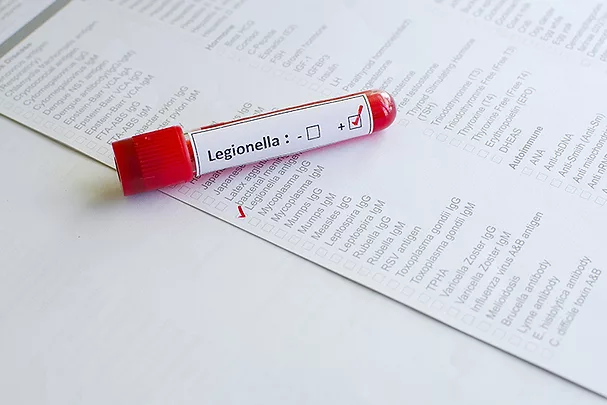
Thermal disinfection or short-term chemical disinfection may kill Legionella bacteria on the surface of the biofilm, but it does not kill bacteria under it. Bacteria can go into a cyst form, encapsulating it inside an amoeba and deep within layers of buildup on a pipe wall covered with biofilm.
As we continue this domestic hot water series, Ron George discusses the best circumstances to include temperature-actuated balancing valves or pressure-reducing valves in your plumbing design of high-rises and mega-tall buildings.
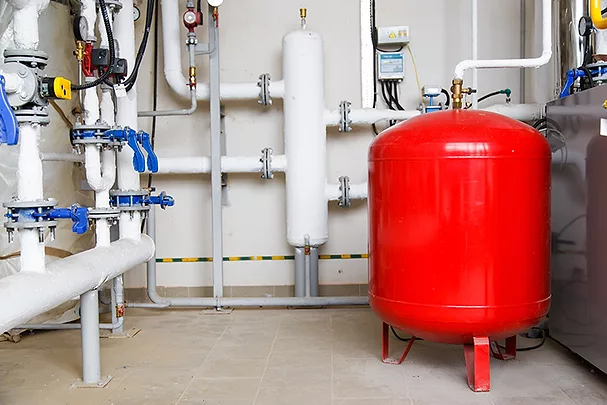
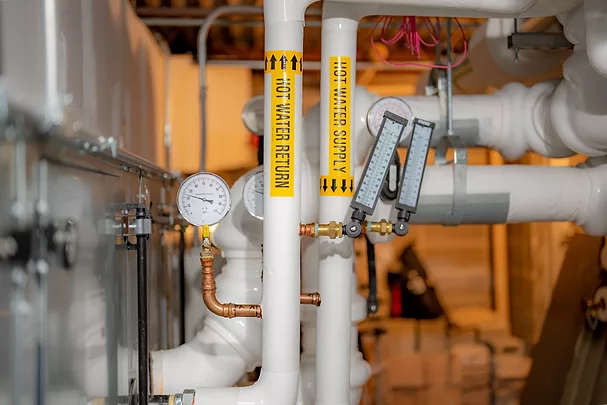
As we continue this series, Ron George discusses thermal expansion tanks, temperature gauges, temperature effects on Legionella bacteria and hot water temperature maintenance cables.
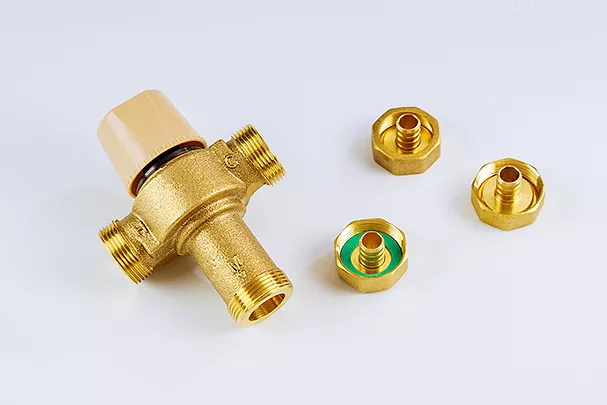
We continue this series with a discussion on verifying that temperature controls in a domestic hot water system are working properly. TMVs work well at stabilizing system temperatures. When used with point-of-use mixing valves, they provide safe temperatures for bathing and washing.
In part 4 of commissioning/troubleshooting domestic hot water systems, Ron George discusses how long it takes hot water to get to all fixtures, temperature limit stops, water heater thermostats, digital mixing valves, water flow velocity, and balancing water conservation with health and safety.