We use cookies to provide you with a better experience. By continuing to browse the site you are agreeing to our use of cookies in accordance with our Cookie Policy.
Fire protection engineers must often consider newer code editions — even if not yet adopted by local authorities.
In the world of fire protection engineering, "the latest and greatest" isn't always the law of the land—but following the minimum requirements of an outdated code could be a costly mistake.
Calculate flow rate and pressure to ensure fire protection systems deliver adequate water during emergencies, especially in high-rise or large facilities.
Master the essentials of fire pump sizing by learning how to calculate critical flow rates and pressure requirements while navigating NFPA standards and high-rise zoning strategies.
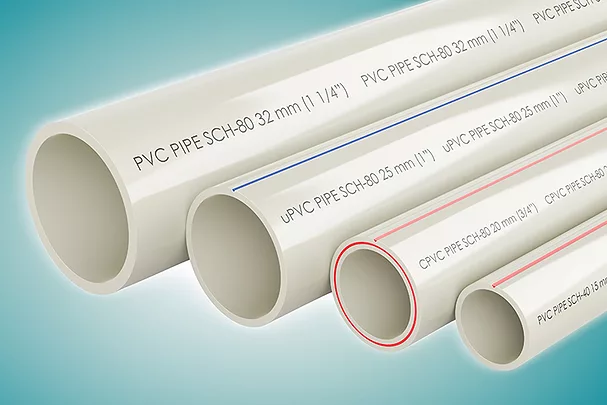
Use only compatible products, offer proper contractor training and maintain strict adherence to manufacturer guidelines to ensure long-term system performance and safety.
Lici Resch explores the 50-year legacy of CPVC in fire protection, debunking flammability myths while highlighting the critical need for chemical compatibility and expert installation to ensure system longevity.
High-piled storage protection is an intimidating task. However, by breaking it down into simpler steps, it becomes a much easier path to a confident, accurate design.
This in-depth guide breaks down NFPA 13 requirements for high-piled storage, helping fire protection designers confidently select the right sprinkler systems for complex storage occupancies.
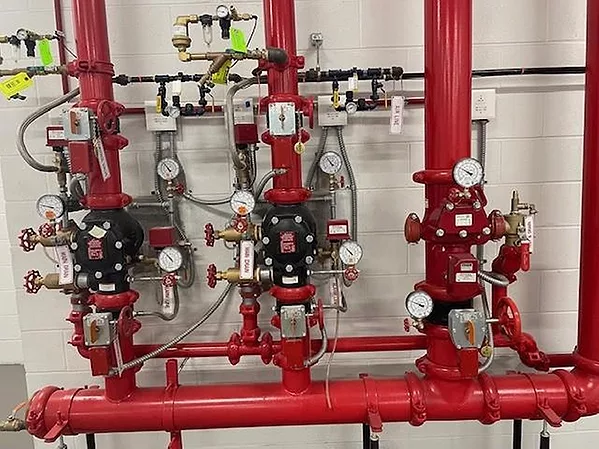
Public, private or combined water sources require careful evaluation and maintenance to meet the flow, pressure and quality demands of a fire sprinkler system.
The American Fire Sprinkler Association (AFSA) has entered into a Memorandum of Understanding (MOU) with Eastern Kentucky University (EKU) to secure participation in the EKU Advantage program, which provides a pathway to educational advancement for AFSA members.
Coordinating drain locations and discharge points with plumbing
engineers and architects ensures water is safely diverted, preventing damage and maintaining system reliability.
Proper drainage is a critical yet often overlooked aspect of fire sprinkler and standpipe system design—Eugene Green, PE, explores essential coordination strategies to prevent water damage and ensure fire protection systems operate effectively when needed.
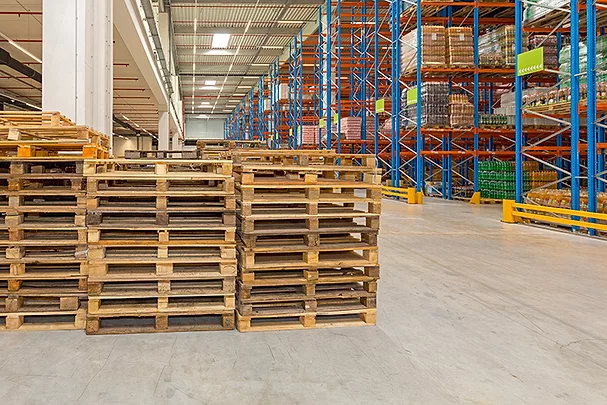
Proper protection schemes tailored to wood and plastic pallets are essential to ensure effective fire control in various building types and storage configurations.
Idle pallets may seem harmless, but without proper sprinkler system design, they can become the most dangerous fire hazard in your building—here’s how the 2025 NFPA 13 addresses that risk.
Exploring the critical role of water-based fire protection system
inspectors and inspections in the United States.
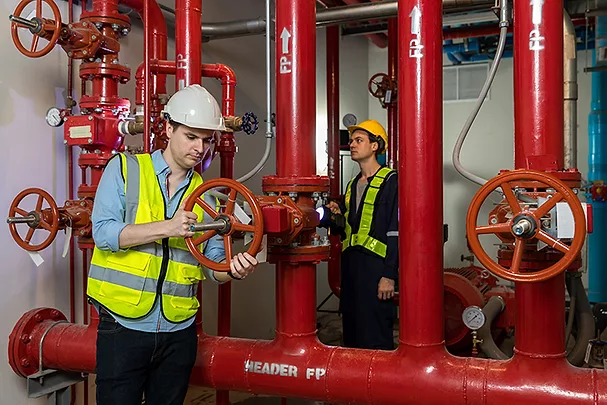
Inspections of water-based fire protection systems are a critical yet often overlooked safeguard that ensures sprinklers, standpipes and fire pumps are ready to save lives and property when fire strikes.
 RSS
RSS