For much of modern history, the safety of water supply, sanitation and building mechanical systems has depended on a quiet but essential foundation: plumbing and mechanical codes. Over the past century, these codes have evolved from locally written rules focused on basic sanitation to internationally recognized frameworks addressing health, energy efficiency, sustainability and system performance.
That transformation closely parallels the history of IAPMO. Founded in 1926 by 39 plumbing inspectors in Los Angeles, the organization emerged to help address the public health risks created by fragmented plumbing regulations in rapidly growing cities. Today, IAPMO’s model codes, standards development and global initiatives influence plumbing and mechanical practices around the world.
Stephen Smoot and the vision for professionalization
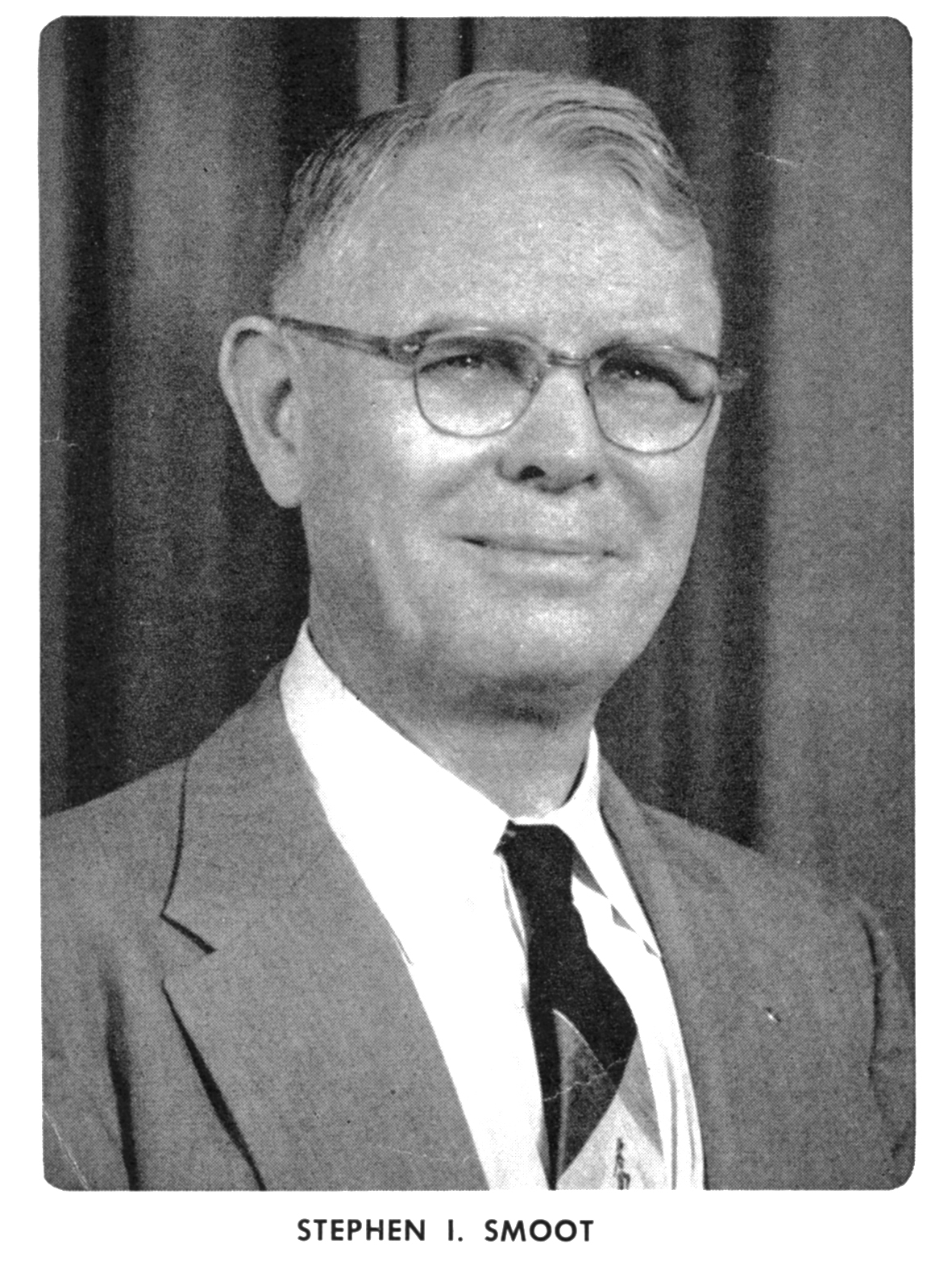
A central figure in IAPMO’s early history was Stephen Smoot, a former journeyman plumber who later became chief plumbing inspector for the city of Los Angeles.
Smoot believed deeply in the importance of plumbing inspection and scientific research for protecting public health. He often reminded colleagues that inspectors needed to continually educate themselves to keep pace with evolving technologies.
“We have masters, journeymen, manufacturers and inspectors,” he wrote. “And the most backward of the group are the inspectors. Their only hope is through scientific research.”
Smoot served as the association’s secretary and guiding leader for its first three decades. In 1936 alone, he mailed more than 21,000 pages of literature, issued multiple editions of the association’s newsletter Plumbing Inspector Review, and wrote hundreds of letters on behalf of the organization. He frequently closed those letters with the phrase “Cordially yours for sanitation and efficiency.”
Smoot’s career reflected the interdisciplinary nature of plumbing regulation. Before becoming an inspector, he operated a plumbing business, studied law and worked in journalism. He also taught sanitation courses for plumbers at Los Angeles trade schools and helped establish one of the first university plumbing laboratories at the University of Southern California.
His favorite motto captured the spirit of the young association: “From small acorns great trees grow.”
Early plumbing codes: sanitation and basic safety
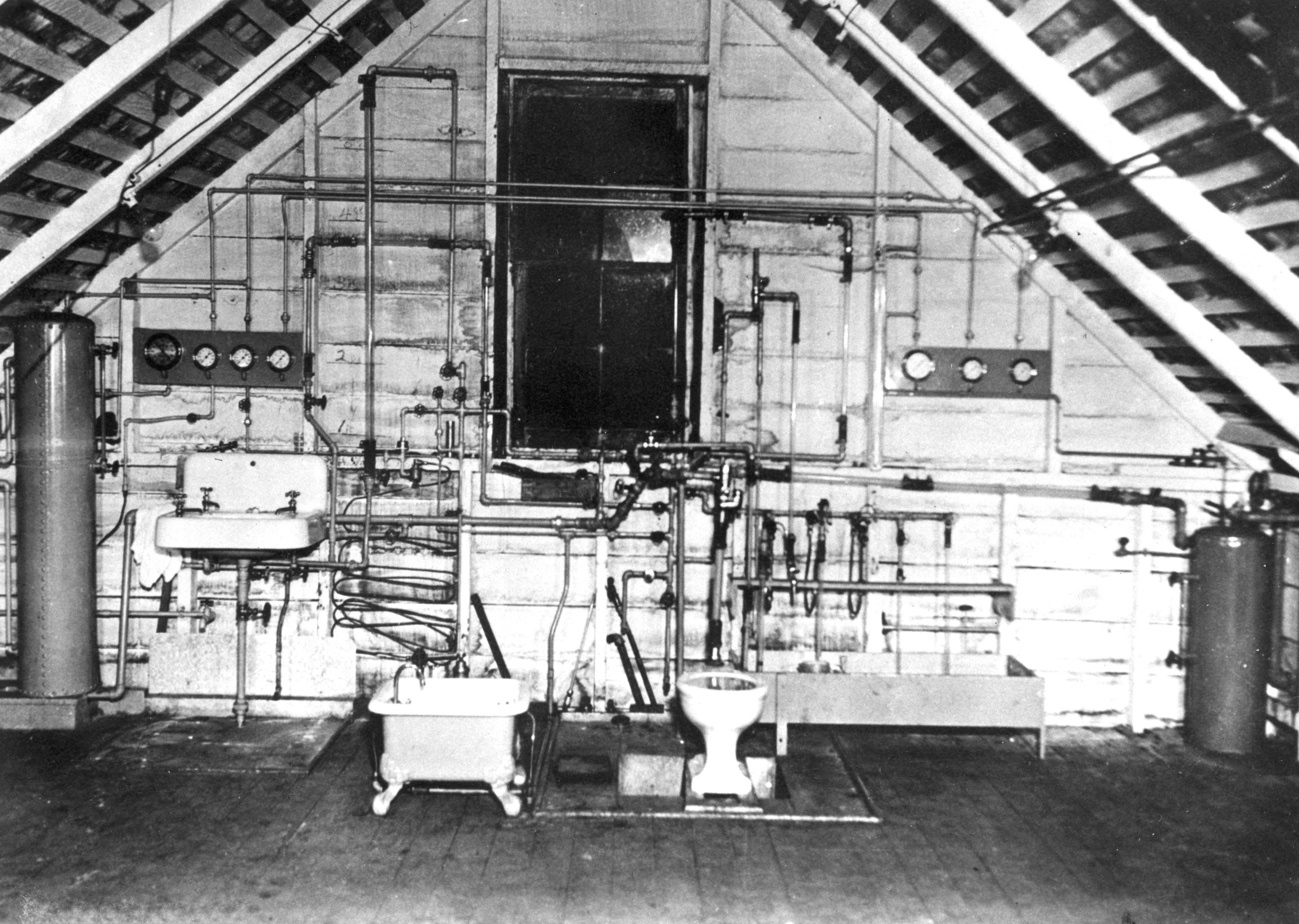
In the early 20th century, plumbing codes were practical tools for disease prevention. Early regulations addressed drainage, venting, water traps, separation of potable water from waste and minimum pipe sizing.
Federal research conducted under the U.S. Department of Commerce during the 1920s and 1930s, sometimes called the “Hoover Codes,” helped establish foundational engineering principles. Enforcement, however, remained highly local, with each jurisdiction maintaining its own ordinance and little consistency between neighboring cities.
The desire for consistent regulations ultimately led to the development of a model plumbing code. In 1936, the association produced the Standard Plumbing Code, but adoption was limited. A more successful effort emerged a decade later with the creation of the Uniform Plumbing Code (UPC).
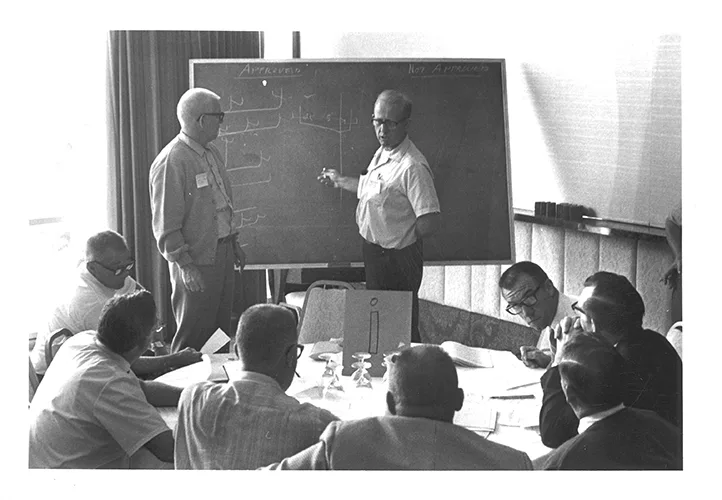
The UPC committee, formed in 1944, included inspectors, engineers, manufacturers, utilities and plumbing industry representatives; J. B. Davis, chief plumbing inspector for Los Angeles County and IAPMO’s first president, chaired the committee.
Debates during drafting focused on whether the code should establish strict minimum standards or compromise to accommodate existing installation practices. Ultimately, the code emphasized higher safety standards while remaining practical for widespread adoption.
The UPC was approved in 1945 and published in 1946, just as postwar construction was beginning to surge. Early editions were pocket-sized booklets of fewer than 100 pages, with first printings funded by industry sponsors so copies could be distributed to municipalities free of charge. Despite modest beginnings, the UPC became one of the most widely adopted model plumbing codes in North America and beyond.
Expanding scope: mechanical systems and energy
As buildings became more complex in the mid-20th century, plumbing codes were increasingly complemented by mechanical regulations. Work on what would become the Uniform Mechanical Code (UMC) began in 1955 when air conditioning was still considered a relatively new trend.
The effort was undertaken jointly by the Western Plumbing Officials Association and the Pacific Coast Building Officials. After a comprehensive overhaul, the UMC was officially introduced in 1967, developed by a 17-member committee of inspectors, engineers, contractors, manufacturers and gas company representatives. It expanded technical provisions for boilers, refrigeration and oil-fired equipment, creating what leaders at the time described as a logical, practical mechanical code suitable for any climate.
Early mechanical provisions focused primarily on combustion air supply and appliance venting — energy consumption was not yet a major consideration. That changed in the 1970s.
The global energy crisis prompted governments and industry to examine how buildings used energy. Organizations such as the American Society of Heating, Refrigerating and Air-Conditioning Engineers (ASHRAE) began developing efficiency metrics for equipment performance, including EER, SEER, HSPF and AFUE. Federal legislation and regulatory agencies established baseline efficiency requirements for appliances, gradually raising performance expectations for HVAC equipment.
At the same time, many model codes restricted or eliminated the use of lead in potable water systems, reflecting growing awareness of health risks associated with lead exposure. Together, these changes reflected a broader shift from purely prescriptive installation rules toward systems informed by scientific research and engineering analysis.
The modern era: sustainability and performance
Today’s plumbing and mechanical codes operate in an environment shaped by sustainability, resource conservation and global collaboration. Modern model codes are updated on three-year cycles through formal consensus processes involving engineers, inspectors, manufacturers, contractors and public health experts.
Mechanical provisions now emphasize high-efficiency equipment, advanced ventilation strategies and integrated energy management. Indoor environmental quality has become a central consideration alongside thermal performance.
On the plumbing side, IAPMO’s Water Efficiency and Sanitation Standard (WE•Stand) establishes requirements for optimizing water use while maintaining public health protections. It addresses graywater systems, rainwater harvesting and on-site water reuse.
 IAPMO’s Water Demand Calculator introduced updated pipe-sizing methodology that reflects reduced fixture flow rates and contemporary water-use patterns, avoiding oversizing while improving system performance.
Over the past century, plumbing and mechanical codes have evolved from fragmented local rules into technical frameworks that guide the design and construction of modern buildings; however, the core purpose remains unchanged: to protect public health and safety through reliable water supply, effective sanitation and safe mechanical systems.
What has expanded is the scope of that mission. Today’s codes address not only immediate health risks but also long-term challenges: energy consumption, climate resilience, water scarcity and indoor environmental quality.
Model codes remain minimum standards, establishing a safety baseline while allowing engineers and designers to pursue higher-performance solutions, and code adoption remains a local decision adapted to regional conditions and policy priorities.
For 100 years, IAPMO has helped guide that balance — supporting scientific research, fostering industry collaboration and advancing the professional development of inspectors, engineers and plumbing professionals. The principles that guided those first 39 inspectors — scientific inquiry, collaboration and dedication to sanitation and efficiency — remain as relevant as ever.
John Watson is the executive vice president of industry relations and business development at IAPMO.




