High-efficiency, gas furnaces continue to gain popularity in the U.S. as homeowners look to improve comfort, reduce reliance on the power grid and lower energy bills. The industry is expecting even more adoption over the next several years due to recent regulations. Case in point, the DOE’s new efficiency standard will require residential gas furnaces manufactured after Dec. 18, 2028 to achieve an annual fuel utilization efficiency rating of at least 95 percent.
Despite legal challenges, the furnace rule was upheld in a federal appeals court in late-2025 and all signs point to the new standard going into effect.
Condensing technology
To achieve the DOE’s 95% AFUE standard, all gas furnaces will utilize condensing technology, which incorporates a secondary heat exchanger into the furnace to extract additional heat from the combustion gases. In fact, the DOE explicitly states that the new energy-efficiency standard is “readily achievable by modern condensing furnaces.”
This condensing technology is a game-changing innovation that was first commercialized decades ago. Nevertheless, it creates an issue that many HVAC contractors and homeowners are often unaware of: acidic condensate.
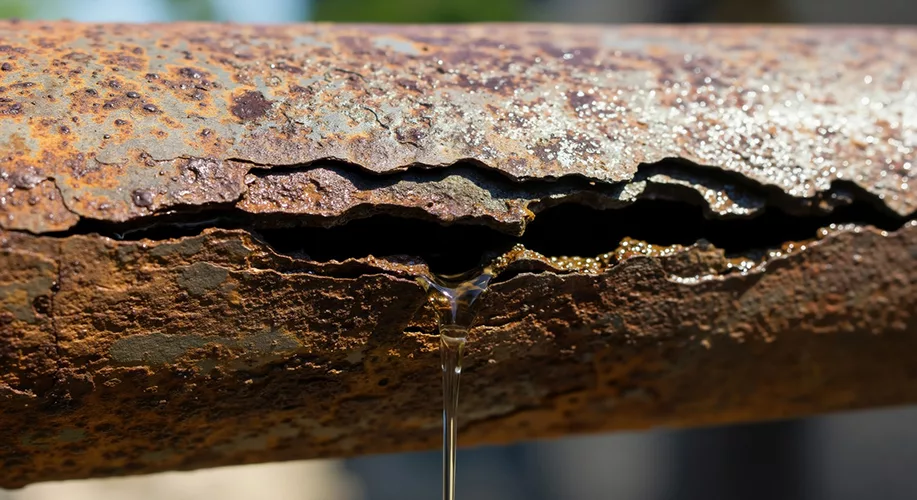
Acidic condensate is a byproduct of the condensing phase in high-efficiency, gas furnaces. Unlike other HVAC condensate that rolls off the coils in an air conditioning unit, acidic condensate is corrosive (with low pH of 2.9-4.0) because it includes various acids from burning natural gas. If discharged untreated, this residue can damage plumbing, concrete foundations, floor drains, septic systems and other wastewater infrastructure.
For context, a typical residential, high-efficiency, gas heating appliance will produce approximately 1-2 gallons per hour of acidic condensate. Across the U.S., it is estimated that at least 9 billion gallons of acidic condensate are produced by condensing appliances every year, according to the AHRI.
But there is good news and a simple solution to this problem: installing a condensate neutralizer with every high-efficiency, gas furnace.
Condensate neutralizers
A condensate neutralizer is a filtration device designed to efficiently and effectively treat the acidic condensate created from condensing furnaces. Purpose-built condensate neutralizers consist of an engineered housing filled with neutralizing media (e.g. magnesium hydroxide is an effective active ingredient), which interacts with the acidic condensate to raise its pH and reduce its acidity. For effective neutralization:
The condensate neutralizer is connected directly to the high-efficiency furnace drain from the secondary heat exchanger.
Acidic condensate slowly flows from that drain into the condensate neutralizer.
Acidic condensate begins to interact with the neutralizing media inside the device and “soak time” starts.
Acidic condensate is neutralized by the media, raising the pH level to between 5.0 and 9.5.
The neutralized condensate is then safe to be discharged from the condensate neutralizer into the plumbing or wastewater system, preventing potential property damage
Code requirements
Without a doubt, more condensate neutralizers will need to be installed with every new gas furnace once the DOE’s efficiency standard goes into effect.
However, there is no time to waste as HVAC contractors should be ensuring proper treatment of acidic condensate produced by all the high-efficiency, gas furnaces currently operating today.
In most of the U.S., treatment of acidic condensate is already a code requirement. For example, due to revisions to the International Plumbing Code, most jurisdictions now require a neutralizing device to treat corrosive wastes before they are discharged into the public wastewater system (Section 803.1). The EPA also prohibits the release of corrosive wastes (defined as a pH level below 5.0) into the public sewer system (Section 403.5(b)(2)).
This makes condensate neutralizers a must-have accessory on every condensing furnace to ensure that it operates safely, achieves code compliance and ultimately fulfills its environmental promise.
Looking ahead
As more homeowners across the country make the switch to high-efficiency, gas furnaces in the coming years, HVAC contractors will be expected to be familiar with all aspects of these modern systems, including how to safely and effectively treat acidic condensate. The exciting part is that HVAC pros have an opportunity to capitalize on this market opportunity by preparing their installation and service teams today (See sidebar for more information).
The Preventative Maintenance Opportunity with Every High-Efficiency, Gas Furnace
Many HVAC pros have placed a renewed focus on preventative maintenance programs and service contracts to not only help homeowners mitigate the costs of new high-efficiency equipment, but also to deliver recurring service revenue for their businesses.
With the number of high-efficiency, gas furnace installations set to soar from the new DOE 95 percent AFUE standard, there is an emerging service opportunity: condensate neutralizers.
Like any gas heating appliance, condensate neutralizers also need to be routinely serviced. If a condensate neutralizer is not properly maintained, it is comparable to not having a neutralizer at all.
Generally, it’s recommended that service technicians routinely service the condensate neutralizer by replacing the neutralizer media at least every 12 months. However, every installation varies based on the BTU capacity, operating hours and volume of acidic condensate produced.
To ensure continued performance and protection, HVAC technicians should regularly test the pH of treated acidic condensate leaving the condensate neutralizer with a digital pH meter. If the pH is lower than 5.0 (or the local water authority threshold), then the technician should immediately replace the neutralizer media.
Let’s be honest. It might not be cost-effective for a homeowner to call a technician out simply to test the pH.
As such, best-in-class HVAC service technicians should build the condensate neutralizer service into the annual preventative maintenance program for a condensing furnace.
In addition, HVAC service pros can quickly install a condensate neutralizer during a condensing furnace tune-up or service call if one was not previously installed, preventing further potential damage.
Condensate neutralizers are not only a critical accessory on new condensing furnace installations, but they also represent a service opportunity for HVAC pros.
Kyle Emmons is the president of JJM Alkaline Technologies, an industry pioneer and leading manufacturer of condensate neutralizer solutions for the heating and plumbing industries. Emmons joined JJM in 2019 and today, he leads the overall organization with a particular focus on growth, including sales, marketing, and new product development.